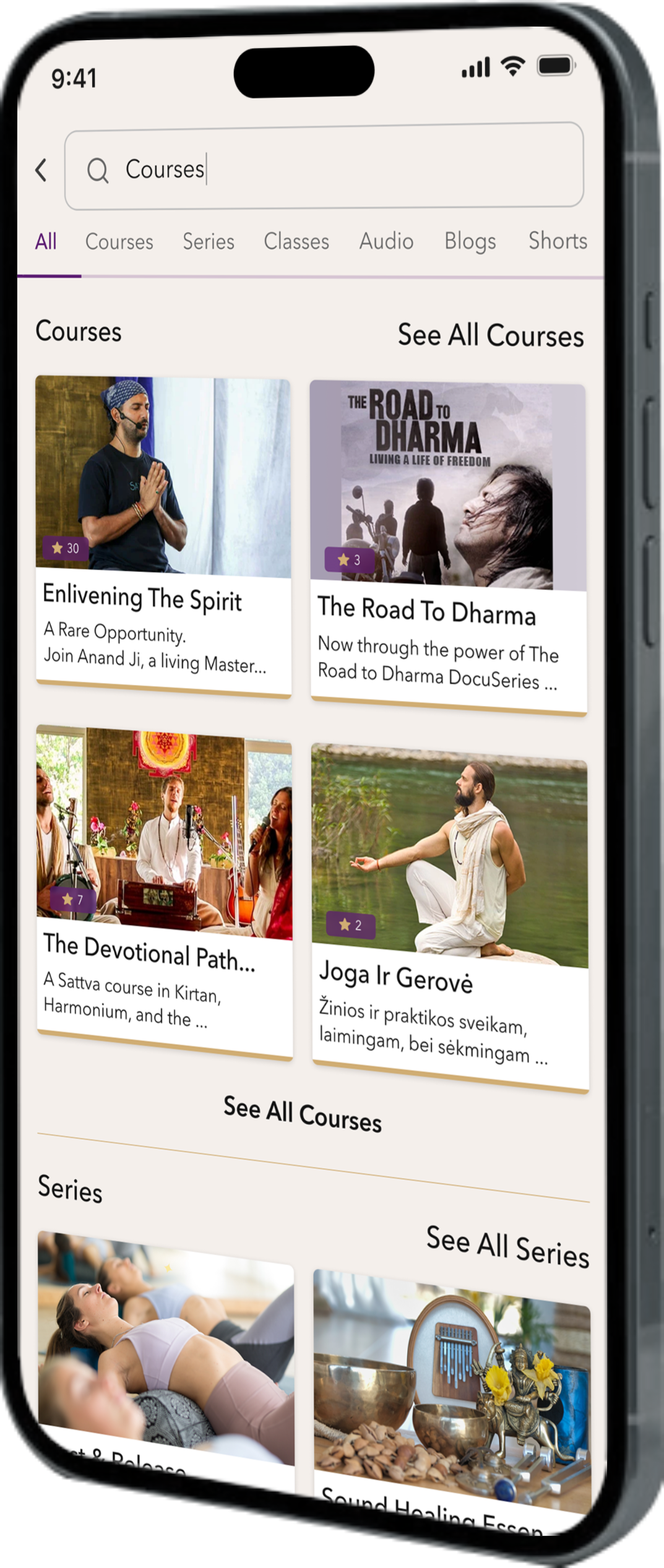

Get the Sattva app for
App exclusive features
Including member-only experiences

by Sattva Connect
In a fast-paced world filled with constant demands and emotional triggers, the ability to understand, regulate, and manage our emotions—emotional intelligence (EQ)—has never been more important. High EQ helps us build meaningful relationships, make wise decisions, and maintain a sense of mental and emotional well-being.
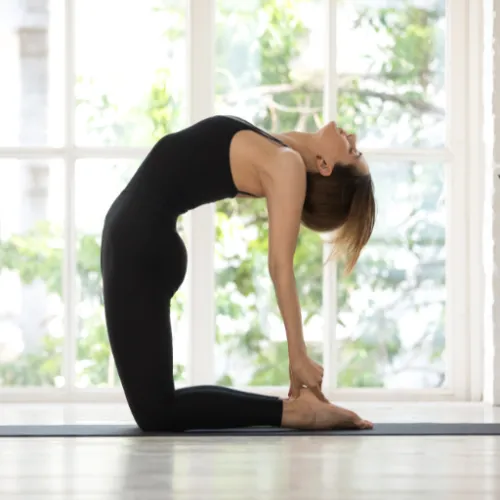
While emotional intelligence can be cultivated in many ways, yoga offers a uniquely holistic path that integrates breath, movement, mindfulness, and self-reflection. Far beyond just improving physical flexibility and strength, yoga strengthens our emotional muscles too—helping us build self-awareness, empathy, emotional regulation, and resilience.
Let’s explore how yoga supports the development of emotional intelligence—and how you can use your practice to deepen your relationship with yourself and others.
1. Self-Awareness: The Foundation of Emotional Intelligence
Self-awareness is the ability to observe and understand your thoughts, emotions, behaviors, and motivations as they arise—without judgment. It’s the foundation of EQ, because without self-awareness, we can’t effectively manage or respond to what we’re feeling.
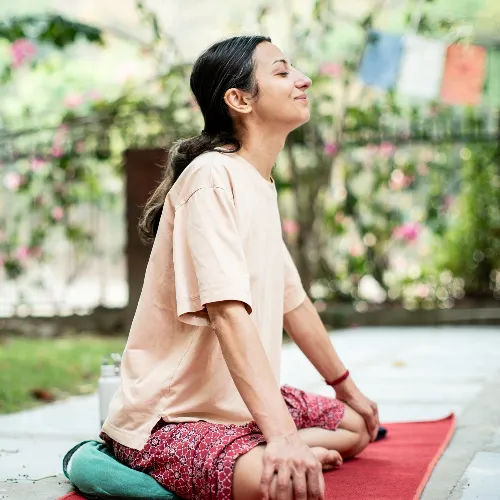
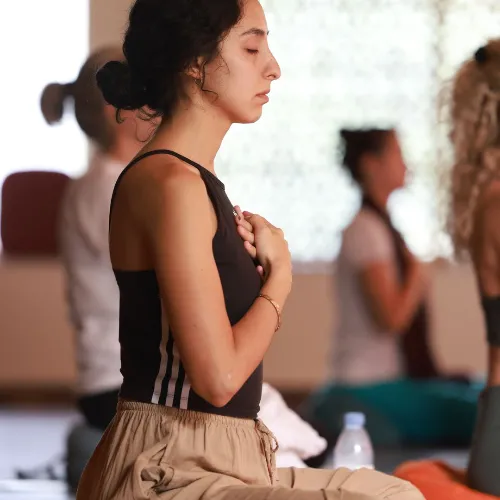
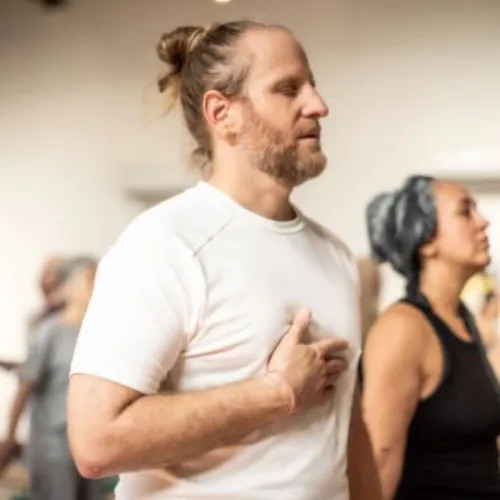
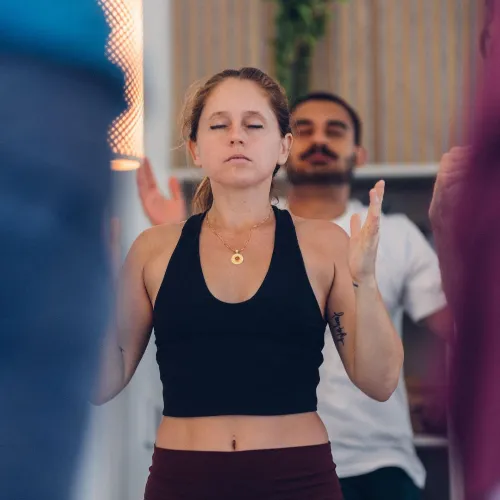
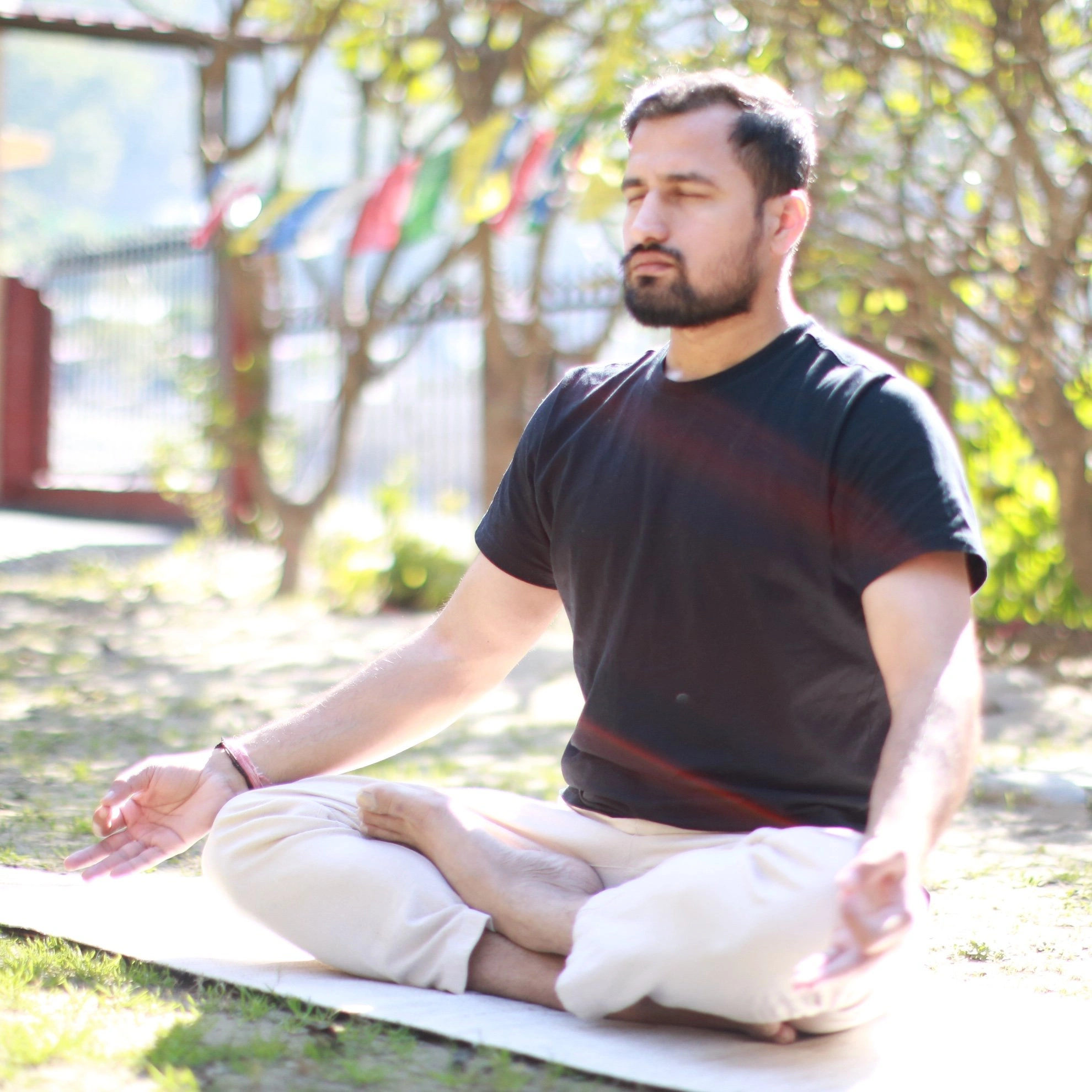
Yoga encourages self-awareness through mindful presence. On the mat, we learn to tune in to our breath, physical sensations, and inner dialogue. Every posture becomes an invitation to notice: What am I feeling? Where am I holding tension? How am I responding right now?
Practices to Cultivate Self-Awareness:
2. Empathy: Cultivating Connection & Compassion
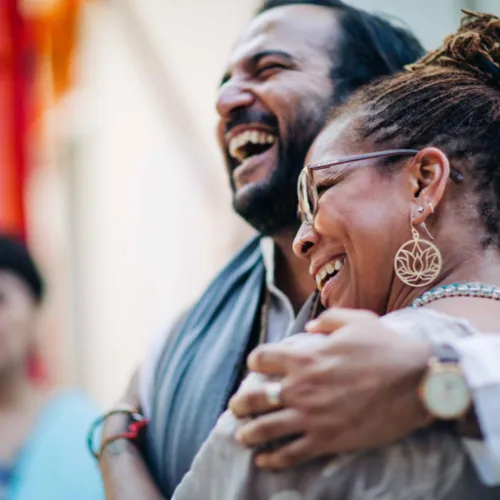
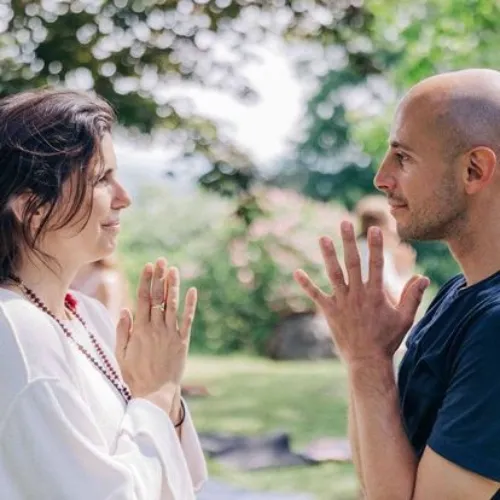
Empathy—the ability to understand and feel what others are experiencing—grows naturally through the compassionate lens of yoga. As we develop kindness toward ourselves, we become more capable of extending that kindness to others.
The yogic principle of Ahimsa (non-violence) encourages gentleness in thought, speech, and action—not just outwardly, but inwardly too. Through this compassionate lens, we learn to be less judgmental and more open-hearted.
Practices to Cultivate Empathy:
3. Emotional Regulation: Responding Instead of Reacting
Emotional regulation is the ability to pause, reflect, and respond thoughtfully rather than reacting impulsively. This skill is essential for navigating conflict, stress, and interpersonal dynamics.
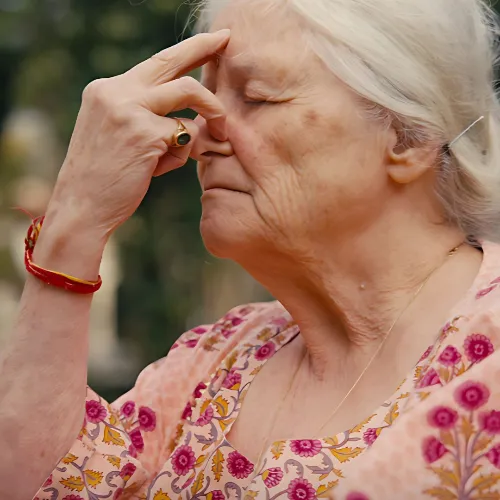
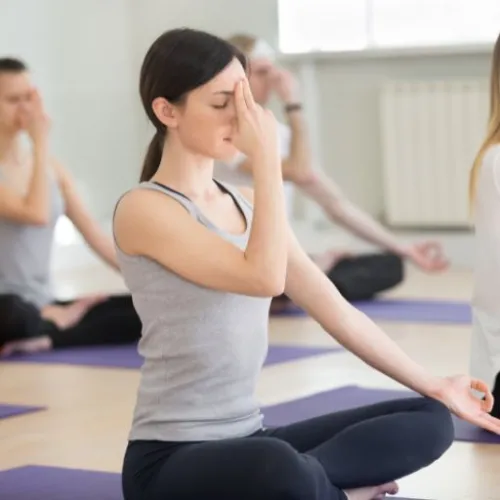
Yoga trains this ability through breath control, mindfulness, and awareness of sensation. We learn to sit with discomfort—whether in a challenging pose or a difficult emotion—without immediately trying to fix or escape it.
Practices for Emotional Regulation:
4. Resilience: Bouncing Back with Balance
Emotional resilience is the ability to recover from setbacks and adapt in the face of difficulty. Yoga enhances resilience by regulating the nervous system, reducing cortisol levels, and increasing endorphins and GABA (a calming neurotransmitter).
Yoga also fosters resilience by teaching us how to stay present in discomfort—physically and emotionally—without becoming overwhelmed. Each time we breathe through a challenging moment on the mat, we practice staying steady through life’s turbulence.
Practices for Building Resilience:
Yoga as a Path to Emotional Intelligence
Yoga is more than a physical practice—it’s a blueprint for living with greater awareness, empathy, stability, and grace. By turning inward and honoring each moment on the mat, we build emotional intelligence that extends far beyond the studio.
Whether you're looking to understand yourself better, deepen your relationships, or simply feel more calm and connected, yoga offers tools that can transform your inner and outer life—one breath, one pose, one mindful moment at a time.
































































Monday 26 Oct 2026 07:00:00 PM IST

Tuesday 13 Oct 2026 07:00:00 PM IST
Wednesday 14 Oct 2026 07:00:00 PM IST

Thursday 15 Oct 2026 07:00:00 PM IST

Monday 19 Oct 2026 06:00:00 AM IST
Friday 16 Oct 2026 06:00:00 AM IST

Your purpose here is to evolve, to transform, to experience your radical aliveness, to awaken to your true nature. You are the path. The path is you. The time is now.