


Get the Sattva app for
App exclusive features
Including member-only experiences

by Sattva Connect
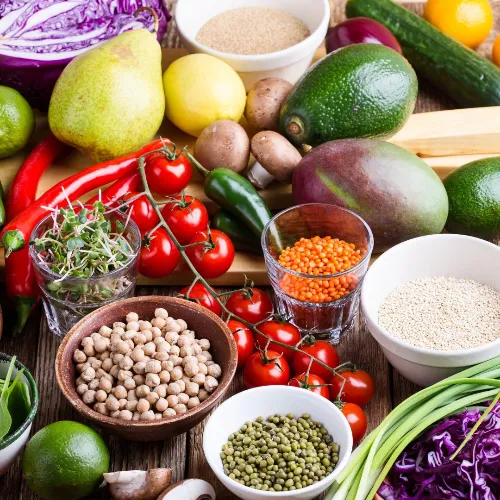
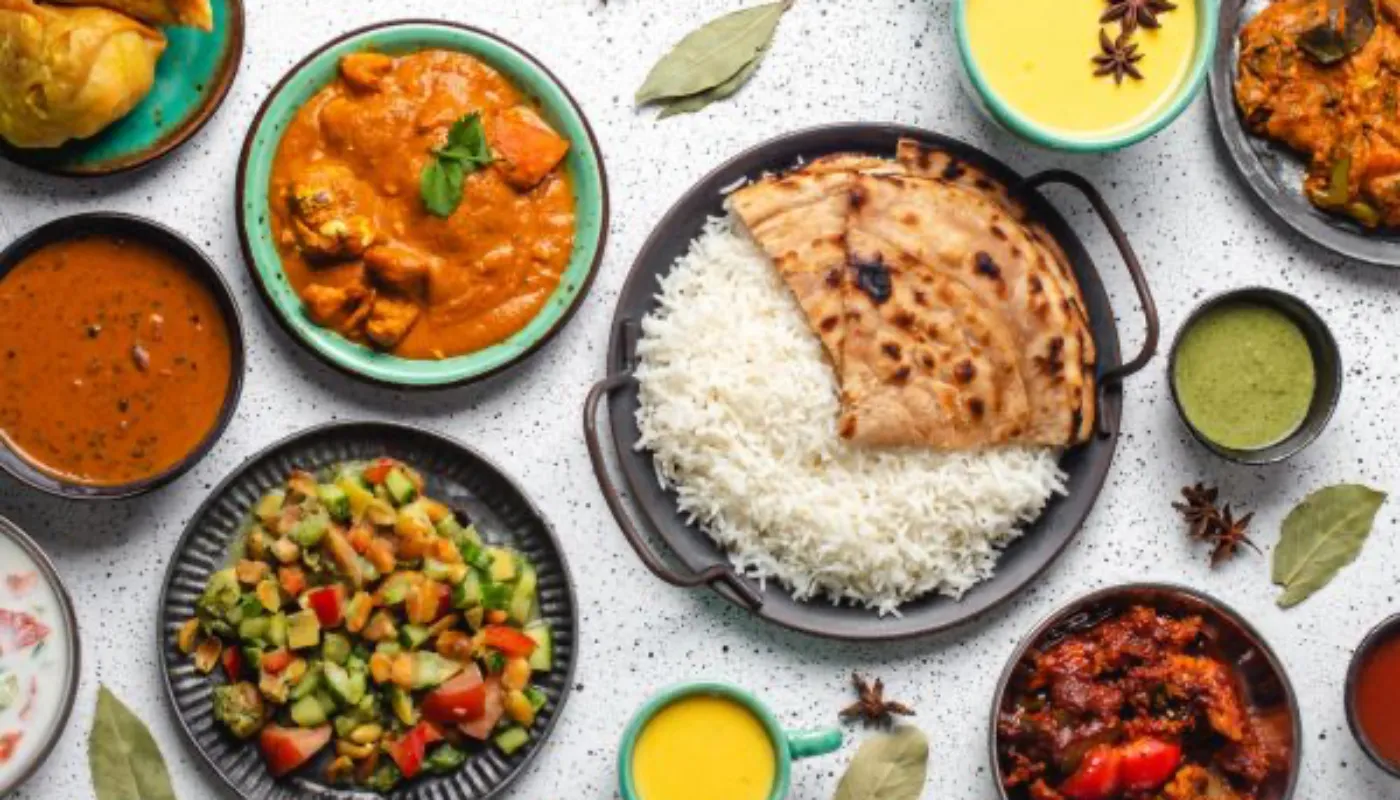
In the Ayurvedic tradition, food is much more than fuel—it’s medicine, energy, and a mirror of our inner world. What we eat directly influences not only our physical health, but also our emotional balance, mental clarity, and spiritual awareness.
At the heart of Ayurvedic nutrition lies the concept of the three gunas—sattva (clarity), rajas (activity), and tamas (inertia). These qualities describe the energetic and psychological effects of different foods. When we understand and apply this wisdom, we begin to make food choices that align with our highest well-being.
Let’s explore the types of foods to minimize or avoid in order to support balance, vitality, and a more conscious way of living.
Rajasic Foods: The Stimulators
Rajas represents movement, stimulation, and drive. While this energy is necessary for action and ambition, excessive rajas in the diet can lead to overactivity, restlessness, and emotional agitation.
Characteristics of Rajasic Foods:
A rajasic diet can overstimulate both body and mind, making it difficult to stay grounded, focused, or calm. These foods may energize in the short term but often leave us feeling depleted or irritable.
Tamasic Foods: The Dullers
Tamas is the energy of heaviness, inertia, and stagnation. Tamasic foods contribute to sluggishness, fatigue, and emotional dullness, often disconnecting us from vitality and clarity.
Characteristics of Tamasic Foods:
Regular consumption of tamasic foods can lower prana (life force) and contribute to imbalances in both body and mind, making it more challenging to stay inspired and connected.
Sattvic Foods: Nourishment for Mind & Spirit
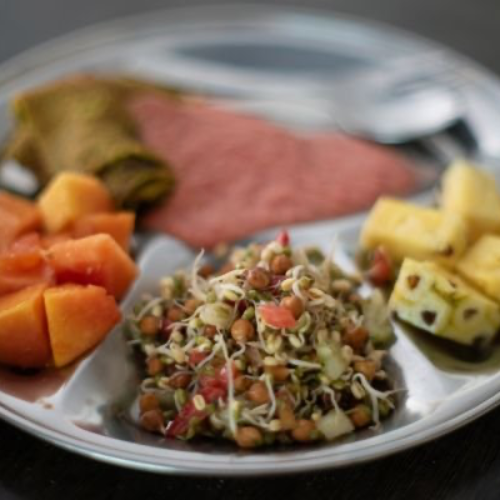
Sattva is the guna of harmony, clarity, purity, and peace. Sattvic foods are nourishing, fresh, and life-giving. They support meditation, vitality, emotional balance, and a deeper connection to self.
While this guide focuses on what to avoid, the ultimate goal is to move toward more sattvic living—to choose foods that are clean, simple, and supportive of your highest state of awareness.
Sattvic Food Principles:
Important note: Ayurveda is not rigid. Balance is key. Occasional consumption of rajasic or tamasic foods may be part of modern life—but awareness is what transforms eating into a conscious, healing act.
Eating as a Spiritual Practice
Refining your diet isn’t about restriction or perfection. It’s about listening to your body and observing how food affects your energy, clarity, and emotional state. By making intentional choices and gradually shifting toward a more sattvic diet, you’ll begin to feel lighter, more focused, and more in tune with your deeper self.
Your relationship with food becomes a powerful support for your yoga practice and inner evolution.
Want to explore more?
Discover the deeper layers of Ayurvedic wisdom in our course:
Ayurveda: Your Pathway to Self-Healing with Justine Lemos—available now on Sattva Connect.
Let food be your ally on the path to balance, strength, and awakening.











































































































Monday 26 Oct 2026 07:00:00 PM IST

Tuesday 20 Oct 2026 07:00:00 PM IST

Wednesday 21 Oct 2026 07:00:00 PM IST

Thursday 22 Oct 2026 07:00:00 PM IST

Monday 19 Oct 2026 06:00:00 AM IST
Friday 23 Oct 2026 06:00:00 AM IST

Your purpose here is to evolve, to transform, to experience your radical aliveness, to awaken to your true nature. You are the path. The path is you. The time is now.