
Get the Sattva app for
App exclusive features
Including member-only experiences


by Sattva Connect
Patanjali offers a profound gateway to expanded awareness in a single, striking statement:
“Yoga is the cessation of the modifications of the mind.”
This isn’t abstract philosophy — it’s a radical call to transformation. Patanjali suggests that the constant chatter of thought, emotion, memory, identity, and judgment — all the mental noise we usually mistake for self — can become still.
That’s a powerful proposition.
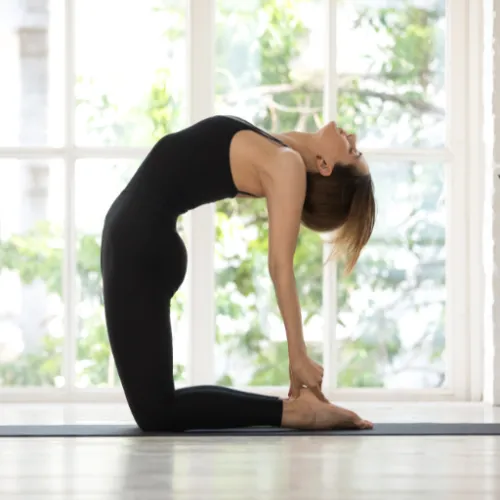
He defines yoga not as a posture or technique, but as stillness — not something we force onto the body, but a natural quiet that arises when the mind stops trying to be elsewhere.
The Sanskrit word vrittis refers to the fluctuations or movements of the mind. These aren't inherently negative; some are creative, even necessary. But most are habitual — and distracting. Patanjali points to a deeper possibility: when these fluctuations settle, when the mind is no longer preoccupied with its own content, something extraordinary can emerge.
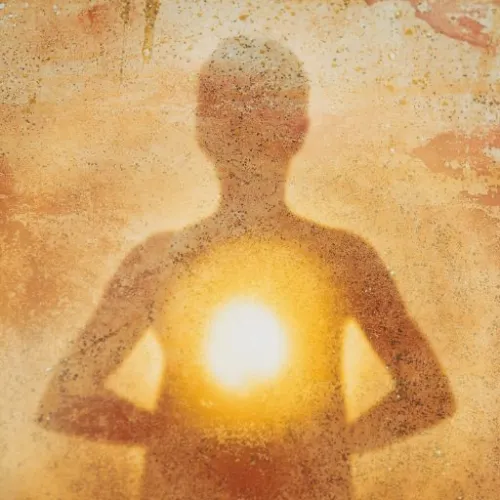
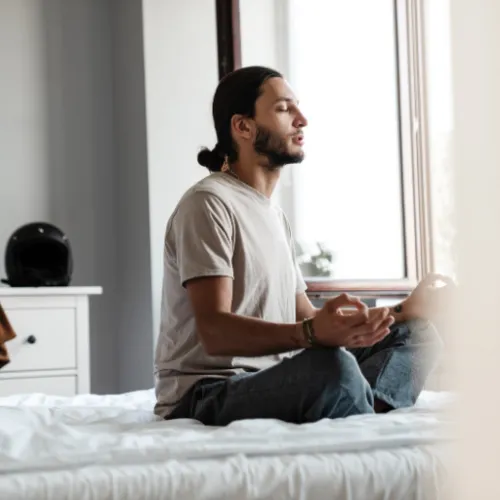
You begin to witness what lies beneath the thinking.
You begin to sense who lies beneath the thinking.
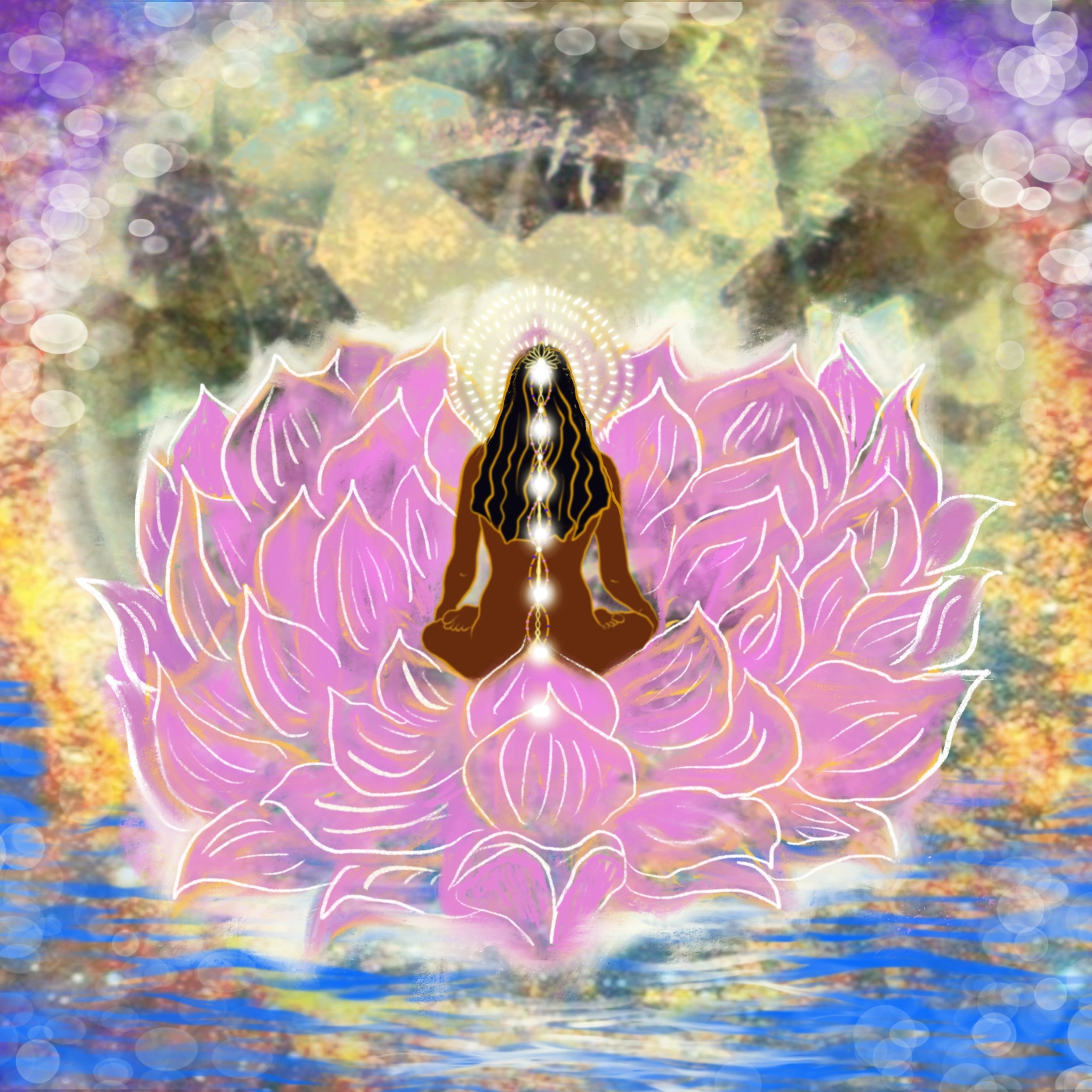
In that stillness, the true Self — the silent, steady observer — is revealed. This is the doorway Patanjali invites us to step through. But it’s not easy. The mind resists quiet. It clings to its content and says, “I think, therefore I am.”
Yoga whispers something subtler:
“When I stop identifying with thought, I remember who I truly am.”
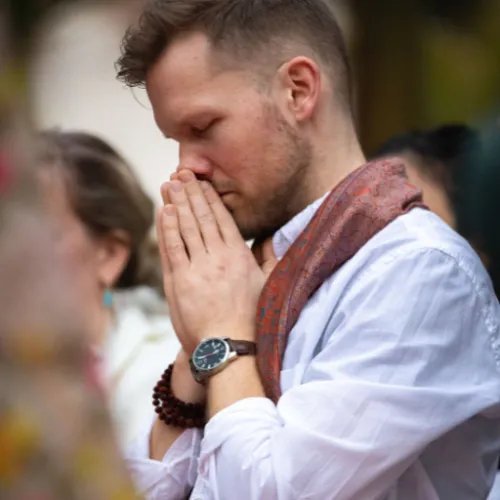
This isn’t suppression or escape. It’s a practice — the art of witnessing, of letting go, of returning again and again to presence. Far from making us less of ourselves, this path reveals more — more clarity, more spaciousness, more connection to the ground of being beyond the mental storm.
So when Patanjali defines yoga as the stilling of the mind’s fluctuations, he isn’t urging us to battle our thoughts. He’s pointing toward a natural resting, born of consistent practice — and grace.
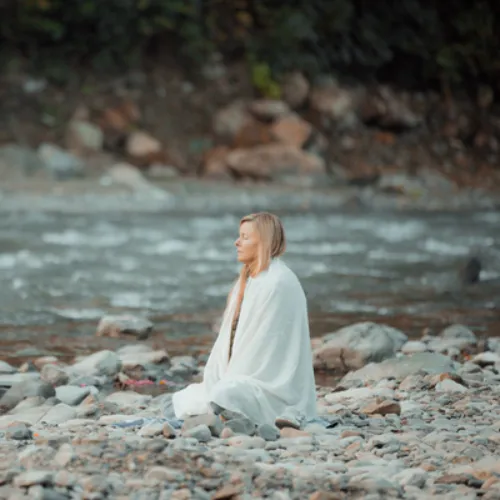
And in that rest, something luminous emerges: not a new self, but the Self that has always been here, patiently waiting beneath the noise.
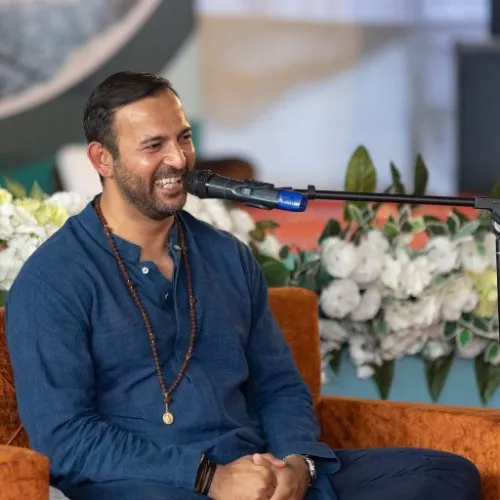
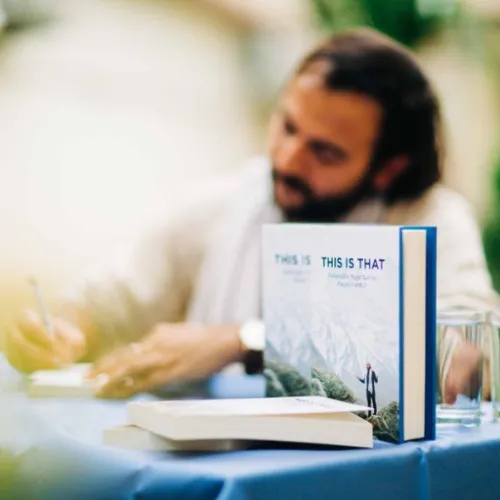
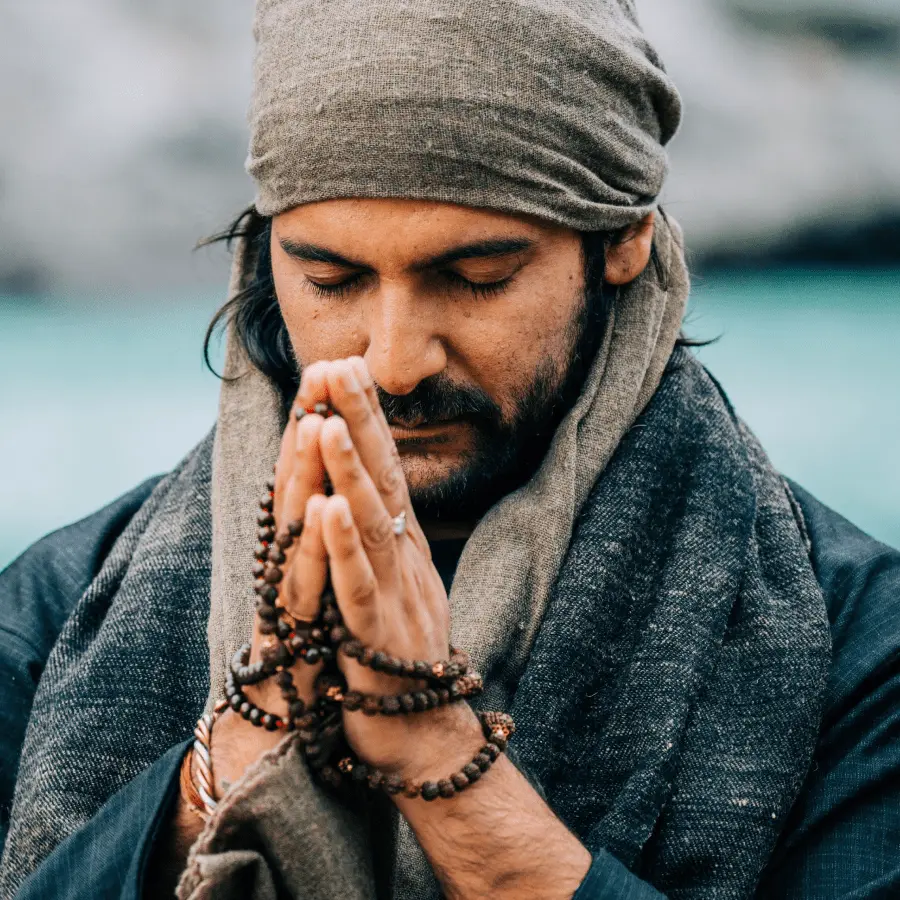
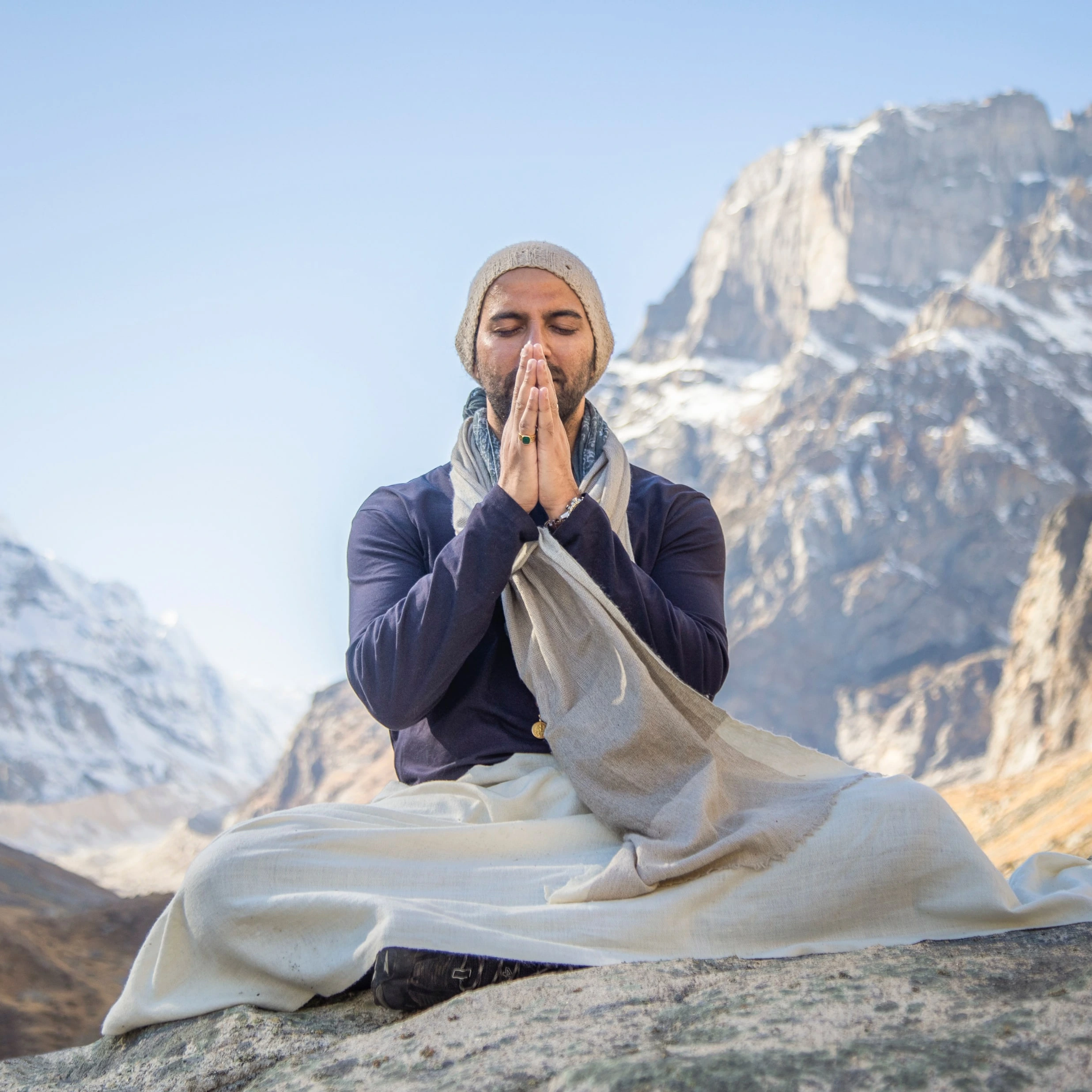
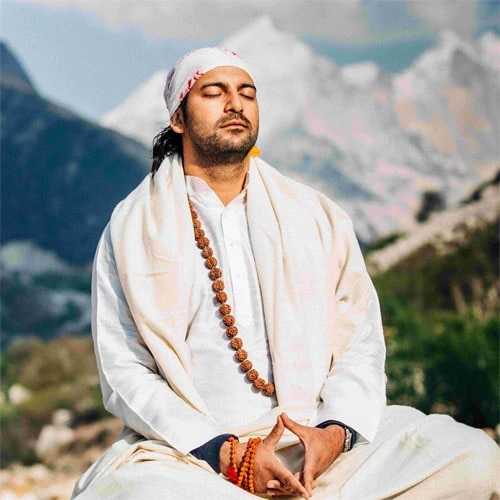
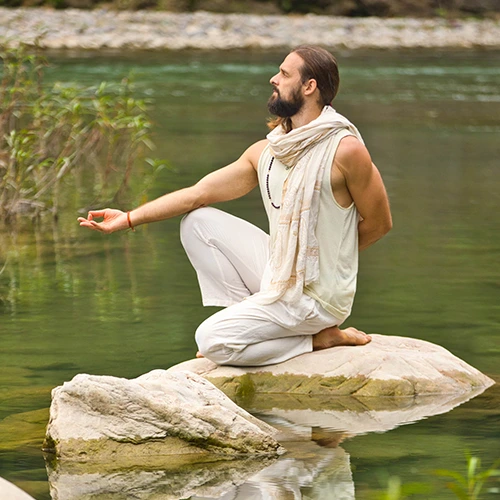
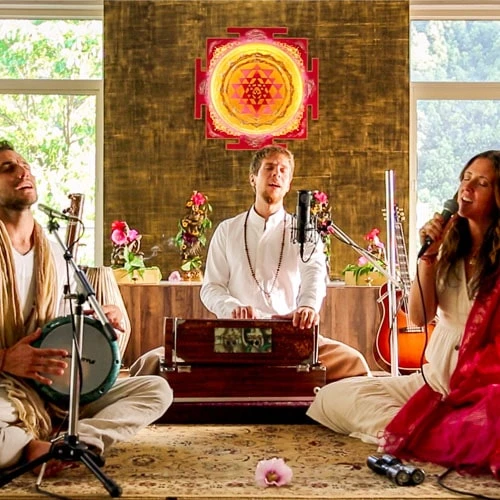
If you feel called to explore the Yoga Sutras more deeply, consider This is That by Himalayan Master Yogi, Anand Mehrotra — a modern doorway into ancient wisdom.






























































Monday 26 Oct 2026 07:00:00 PM IST

Tuesday 13 Oct 2026 07:00:00 PM IST
Wednesday 14 Oct 2026 07:00:00 PM IST

Thursday 15 Oct 2026 07:00:00 PM IST
Monday 12 Oct 2026 06:00:00 AM IST
Friday 16 Oct 2026 06:00:00 AM IST

Your purpose here is to evolve, to transform, to experience your radical aliveness, to awaken to your true nature. You are the path. The path is you. The time is now.