
Get the Sattva app for
App exclusive features
Including member-only experiences

by Sattva Connect
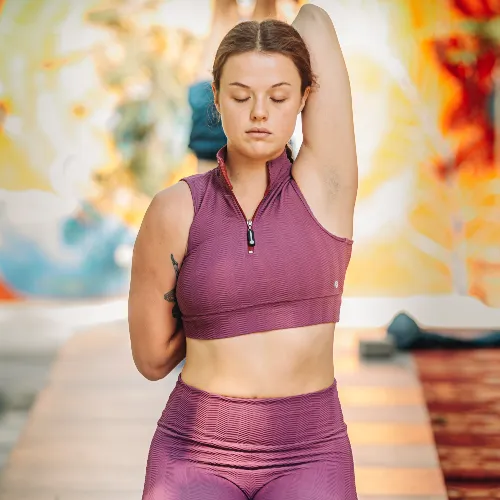
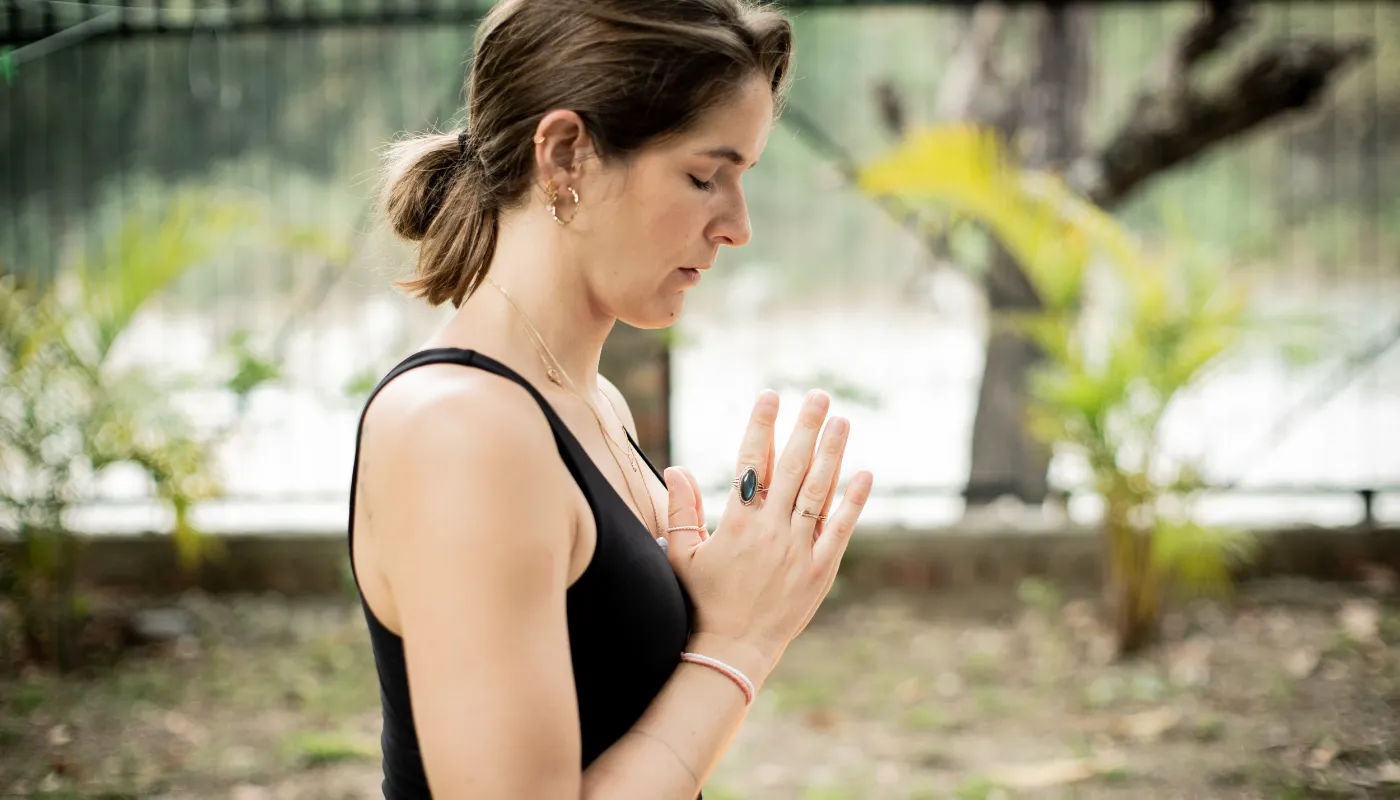
Chronic pain can feel relentless — an invisible burden that impacts every part of life. Whether it’s back pain, arthritis, migraines, or fibromyalgia, long-term discomfort often leaves people feeling disconnected from their bodies, frustrated, and emotionally drained.
While conventional medicine offers short-term relief, it often doesn’t address the root causes or offer lasting solutions.
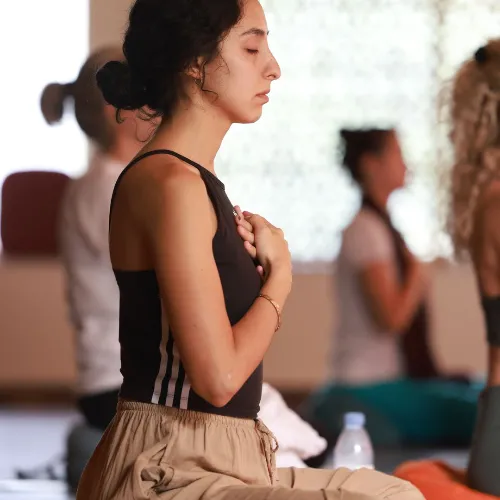
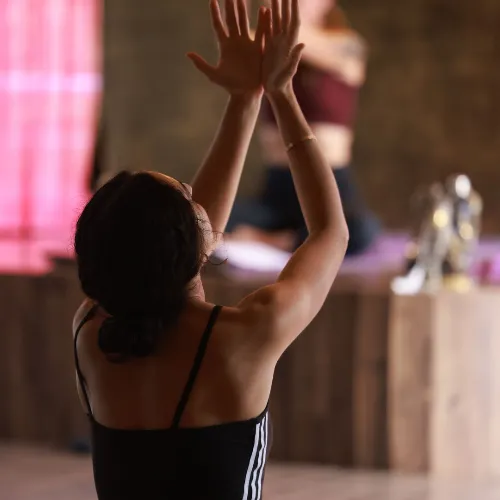
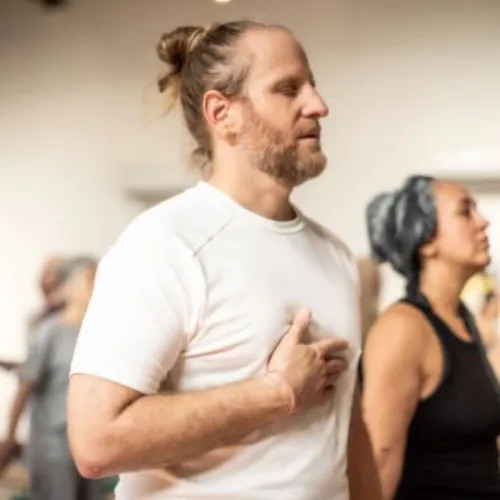
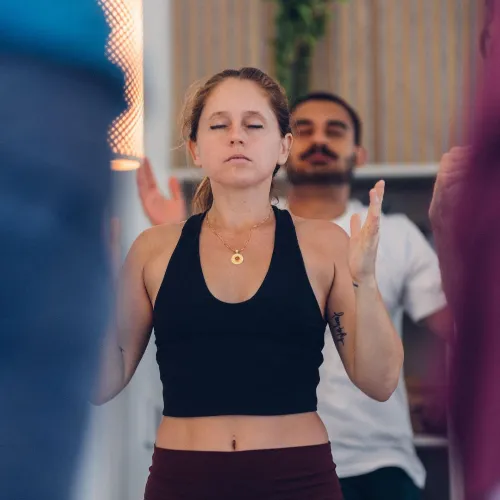
Yoga offers another way. A natural, holistic practice that helps manage pain not only physically, but mentally and emotionally. Through mindful movement, breathwork, and presence, yoga restores connection, reduces tension, and empowers you to take an active role in your healing.
Here’s how yoga supports pain relief — and how you can start using it to manage chronic pain in a way that’s sustainable and deeply nourishing.
How Yoga Helps Relieve Chronic Pain
Yoga is more than stretching. It’s a multidimensional practice that blends movement, breath, awareness, and relaxation — working together to ease pain at its source, not just mask the symptoms.
1. Improving Flexibility & Mobility
Chronic pain often stems from tight muscles and restricted movement. Yoga gently lengthens the body, increases joint mobility, and releases tension.
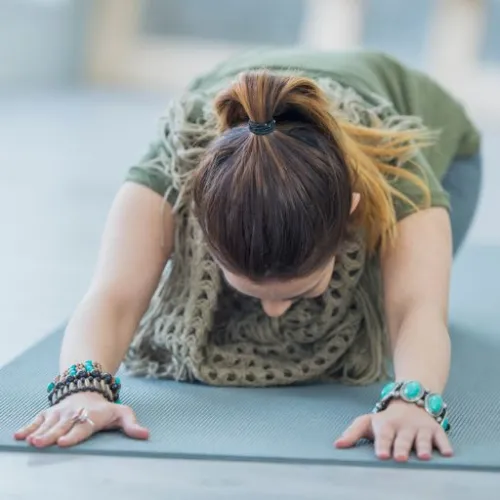
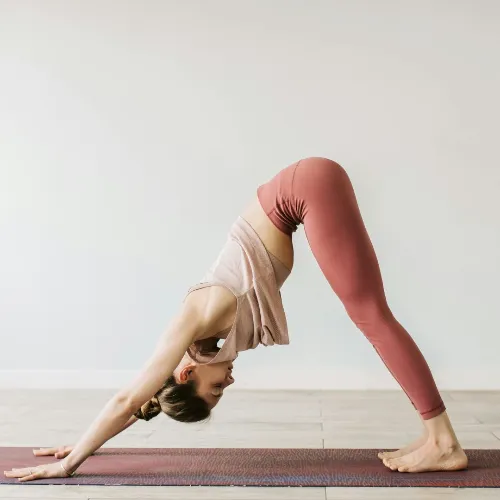
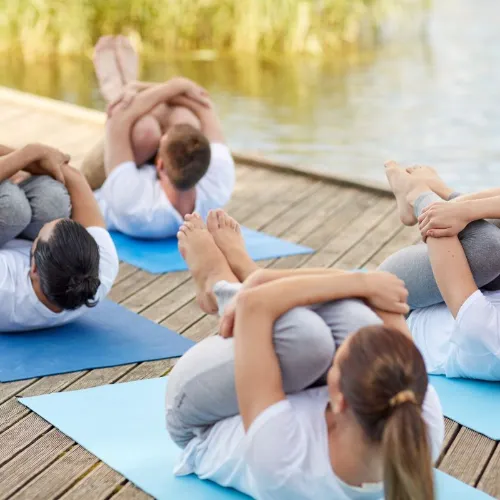
Poses like Cat-Cow, Child’s Pose, and Downward-Facing Dog improve spinal flexibility, soothe tight areas, and help the body move with more ease.
Yoga also enhances posture and body awareness, which helps prevent strain and injury — reducing pain over the long term.
2. Building Strength & Stability
Imbalances in muscle strength and alignment often contribute to chronic pain. Yoga strengthens underused muscles and brings balance to the body.
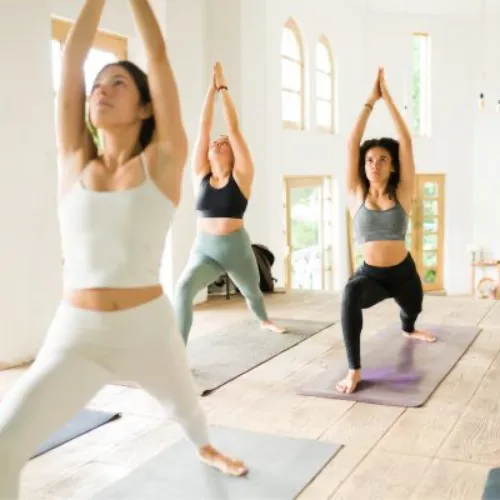
Poses like Warrior I and Bridge Pose build core and leg strength, support the lower back, and reduce pressure on joints. A stronger, more balanced body means less pain and greater resilience in daily life.
3. Reducing Stress & Tension
Pain and stress are deeply connected — each can amplify the other. Yoga breaks this cycle by calming the nervous system and reducing stress hormones.
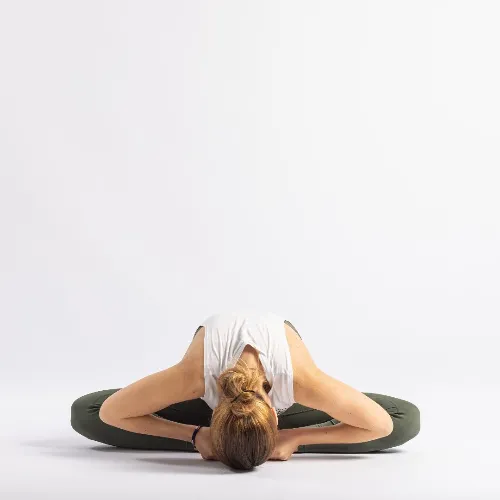
Breath practices like Three-Part Breath and gentle, restorative poses like Legs-Up-the-Wall or Reclining Bound Angle Pose activate the parasympathetic nervous system, creating a profound sense of calm and ease in both body and mind.
4. Enhancing Mind-Body Awareness
Chronic pain often causes us to disconnect from the body. Yoga invites you to reconnect — not with frustration, but with compassion.
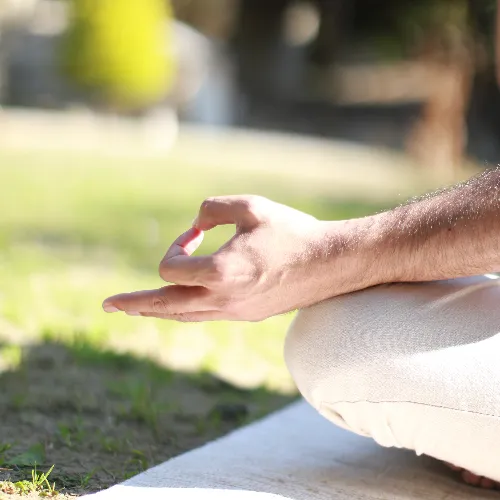
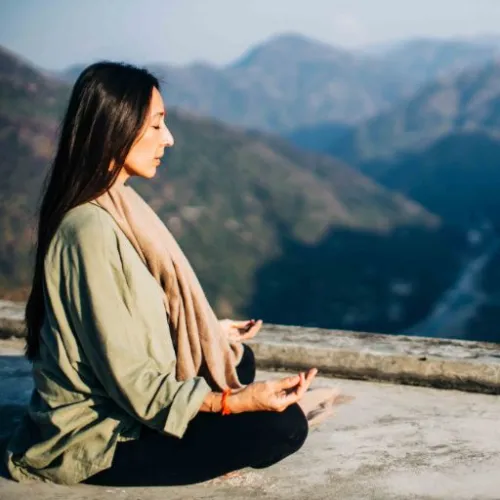
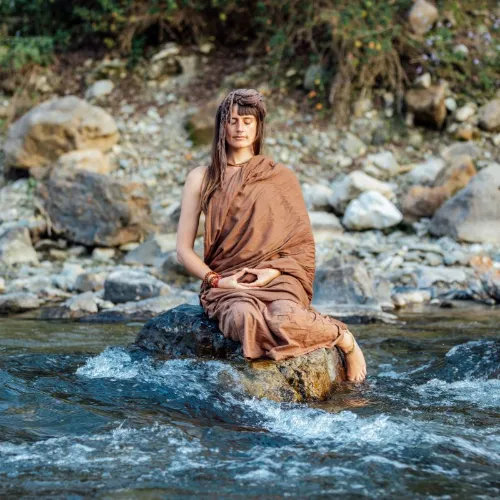
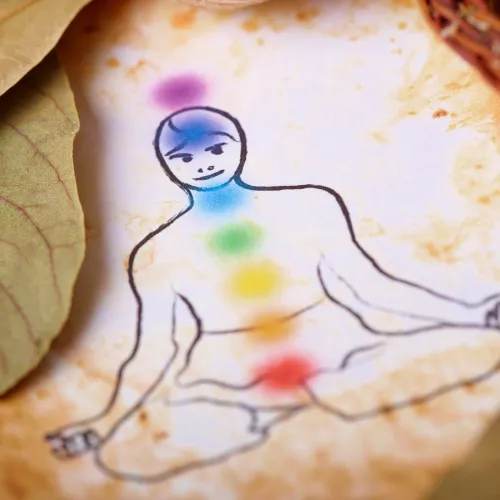
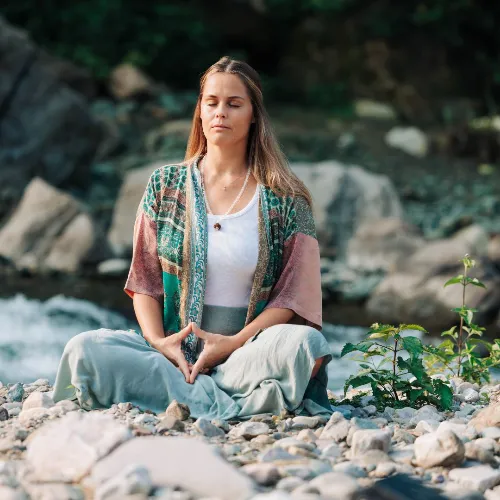
Through mindfulness and body awareness, you learn to observe pain without fear or judgment. Practices like meditation or body scans help shift the experience from reactivity to presence, reducing the emotional burden of pain and fostering self-trust.
5. Supporting the Nervous System & Reducing Inflammation
Yoga helps regulate the autonomic nervous system and reduces systemic inflammation — a major factor in chronic pain conditions like arthritis and fibromyalgia.
Research shows that yoga decreases pro-inflammatory markers and increases anti-inflammatory responses. The result: less pain, better recovery, and a stronger, calmer nervous system.
Practical Yoga Poses for Pain Relief
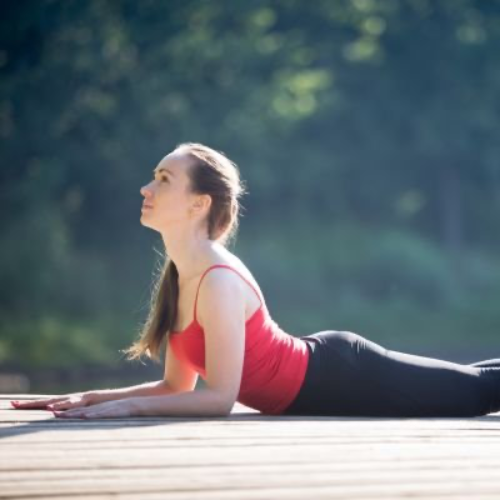
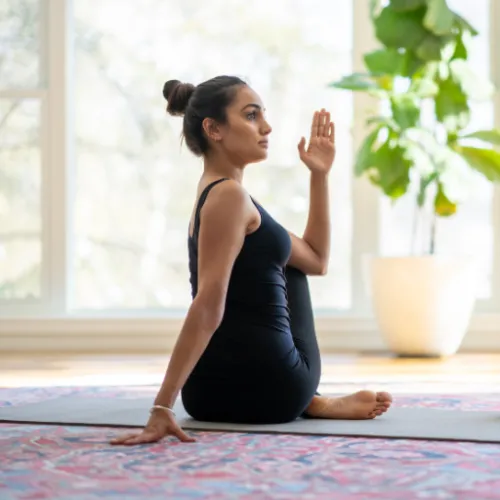
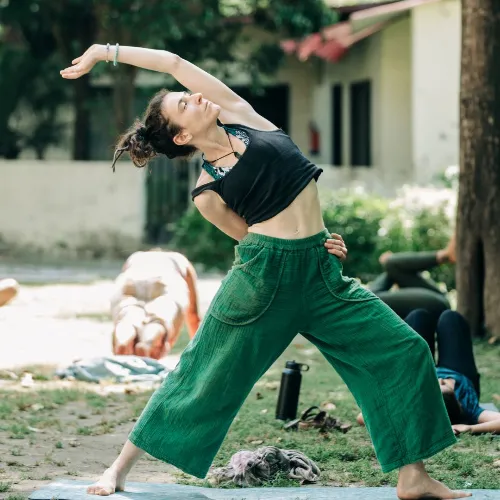
Start gently, with movements that support your unique needs. Here are a few widely recommended poses for managing chronic pain:
A Way Forward
Living with chronic pain can feel isolating, but you’re not powerless. Yoga offers a compassionate, evidence-based path to healing.
It’s not a quick fix — but with time, consistency, and gentle commitment, it can reduce pain, ease tension, and restore a sense of agency over your body and life.
Start slowly. Listen deeply. Breathe fully.
And let your yoga practice become a tool for self-care, resilience, and lasting relief.































Monday 26 Oct 2026 07:00:00 PM IST
Tuesday 13 Oct 2026 07:00:00 PM IST
Wednesday 14 Oct 2026 07:00:00 PM IST
Thursday 15 Oct 2026 07:00:00 PM IST
Monday 12 Oct 2026 06:00:00 AM IST
Sunday 11 Oct 2026 07:00:00 PM IST
Friday 09 Oct 2026 06:00:00 AM IST

Your purpose here is to evolve, to transform, to experience your radical aliveness, to awaken to your true nature. You are the path. The path is you. The time is now.