

Get the Sattva app for
App exclusive features
Including member-only experiences


by Sattva Connect
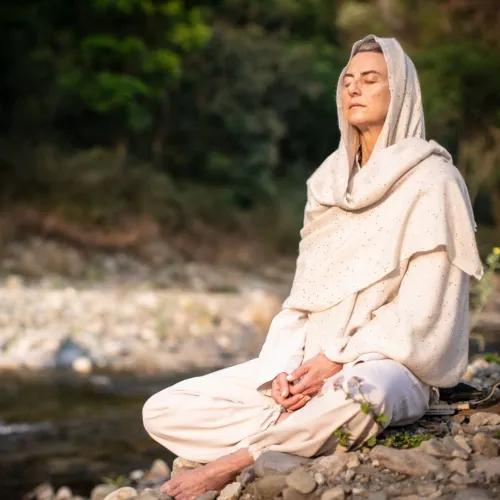
For many of us, the harshest judgments we face come not from the outside world, but from within. The voice of self-criticism—subtle or loud—can diminish our confidence, cloud our joy, and keep us stuck in cycles of doubt. Yet, within the ancient practice of yoga lies a gentle and powerful remedy: the path of self-compassion.
Yoga reminds us that we are already whole. It invites us to inhabit our bodies with awareness, to witness our thoughts without attachment, and to meet ourselves—moment by moment—with kindness. Through consistent practice, yoga becomes not just a physical discipline, but a profound reorientation from self-judgment to self-love.
The Nature of Self-Criticism
Self-criticism often develops as a misguided form of self-discipline—an attempt to stay motivated or “in control.” But more often than not, it leaves us feeling disconnected from our true selves. It creates tension in the body, constricts the breath, and triggers the stress response, reinforcing the belief that we are not enough.
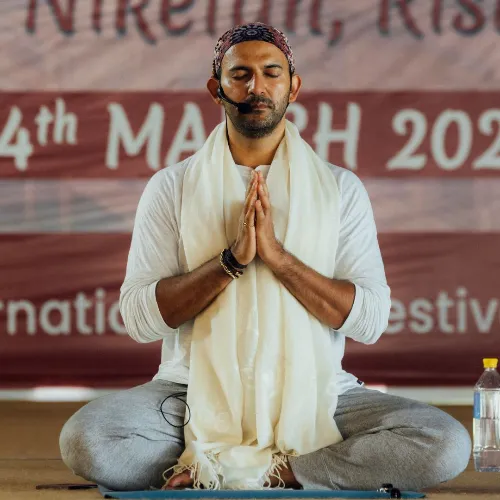
Yoga teaches us another way. It invites us to soften, to listen, and to come home to ourselves with gentleness.
How Yoga Helps Heal Self-Criticism
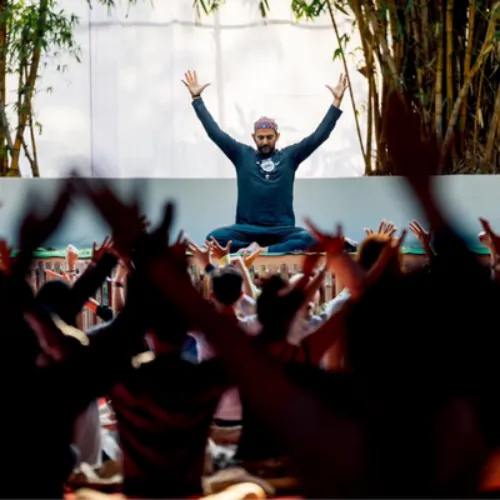
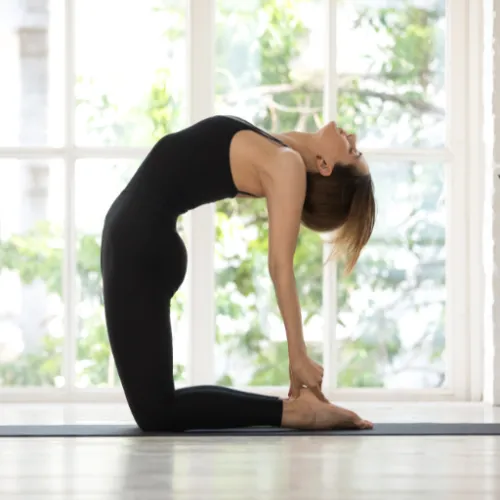
1. Mindful Movement Cultivates Self-Awareness
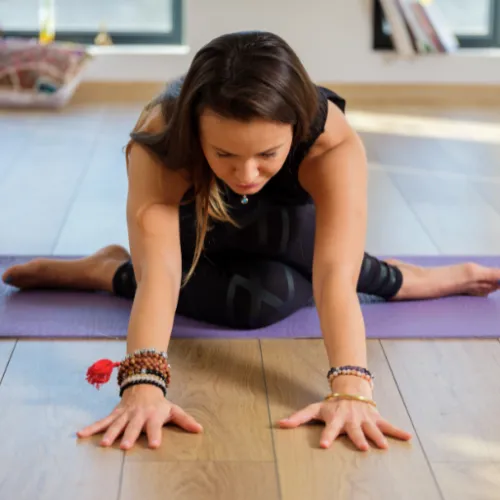
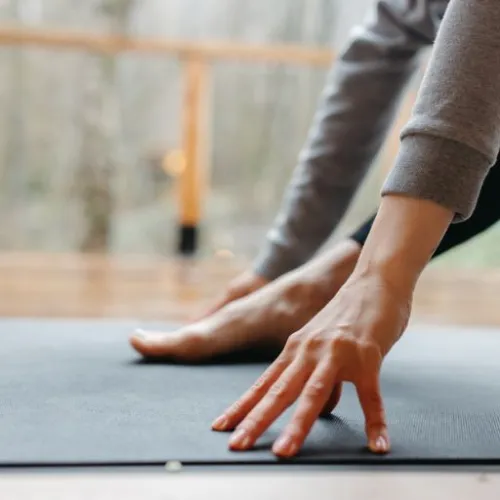
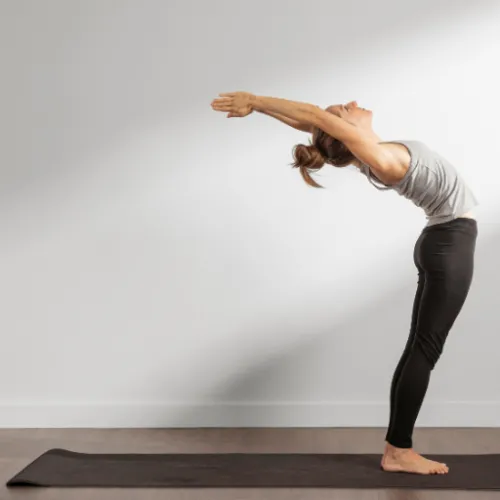
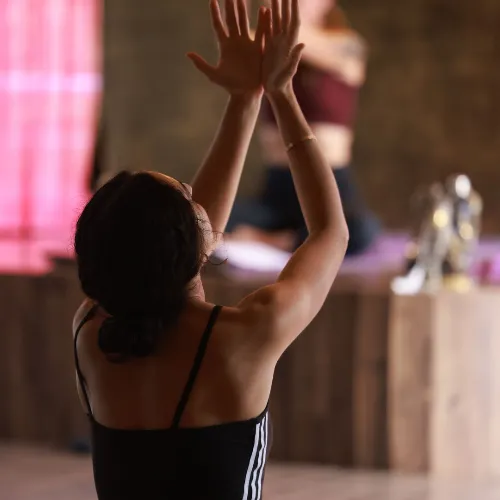
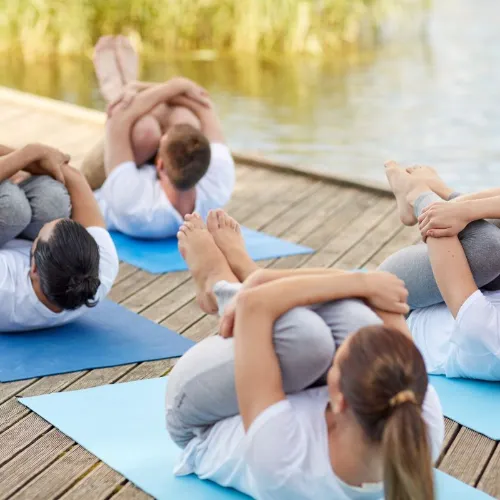
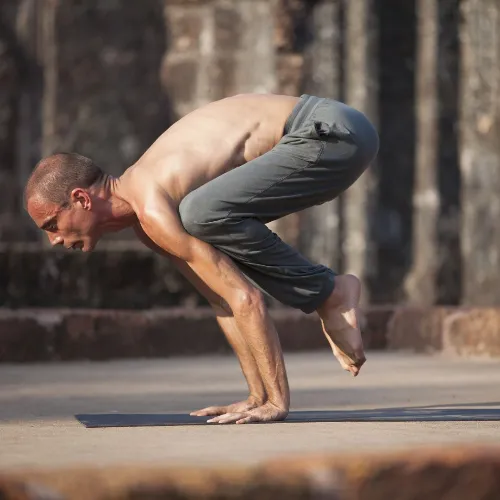
Each pose on the mat becomes an invitation to listen, not judge. Instead of striving for perfection, yoga asks: “Can I meet myself as I am?”
Through slow, intentional movement, we build a relationship with the body based on curiosity and care. Over time, this presence shifts our inner narrative from “I must improve” to “I am enough, just as I am.”
2. Breathwork Creates Space for Compassion
The breath connects the mind and body, anchoring us in the now.
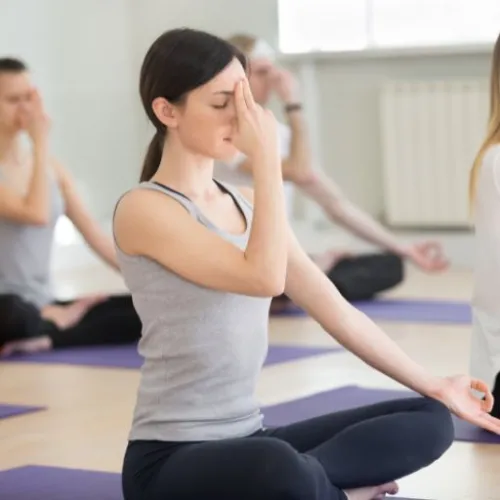
Breathing practices (pranayama) calm the nervous system and quiet mental noise, giving us a moment of pause. In this space, we begin to shift from reacting to responding—with greater compassion and clarity.
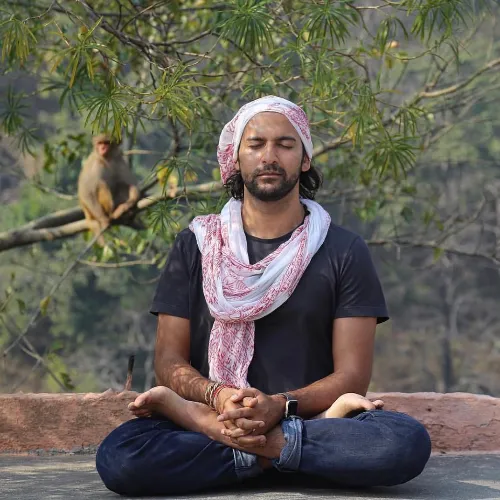
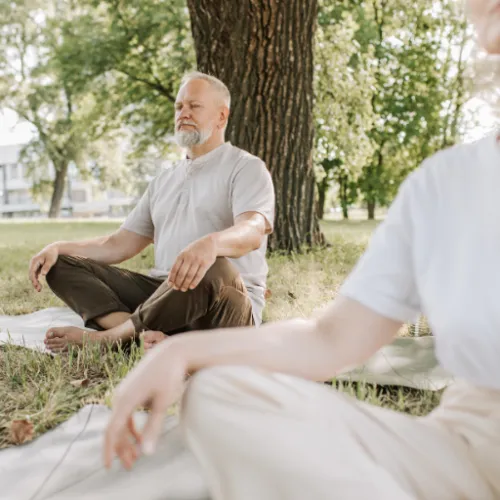
3. Meditation Reframes the Inner Dialogue
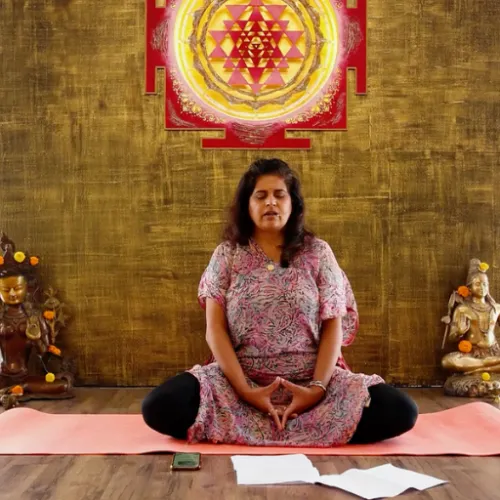
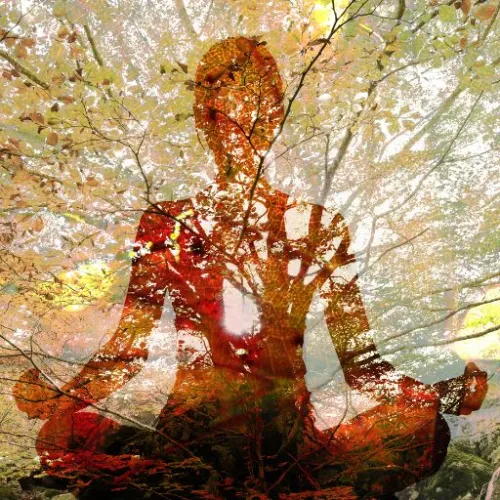
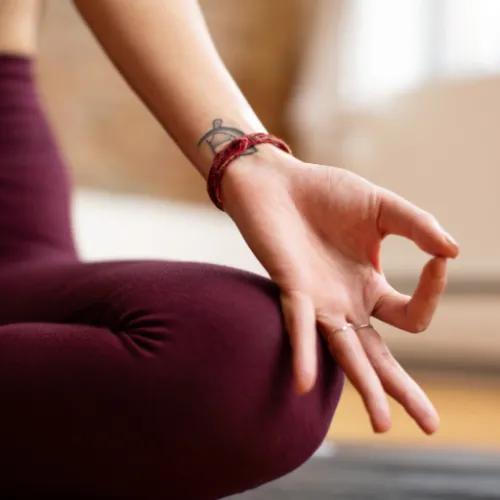
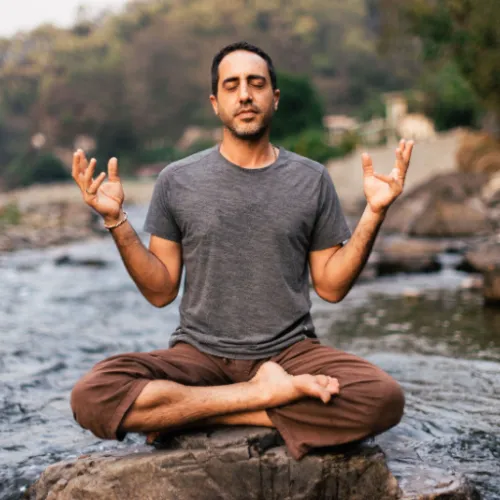
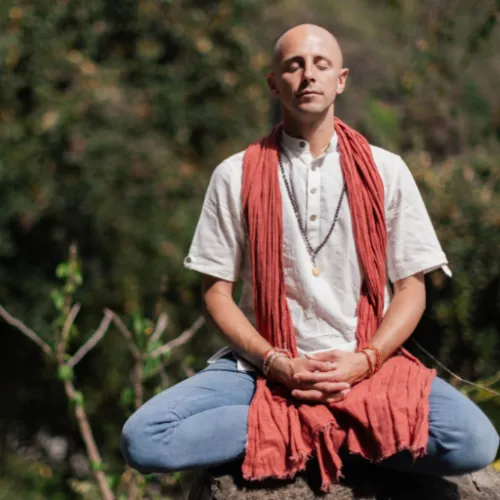
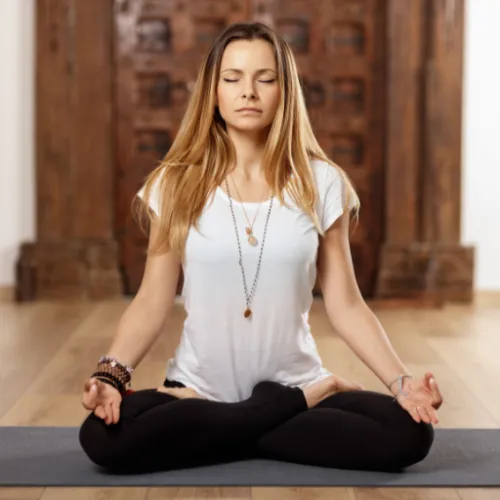
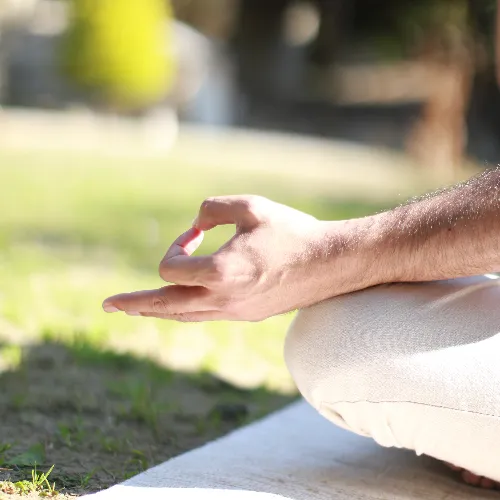
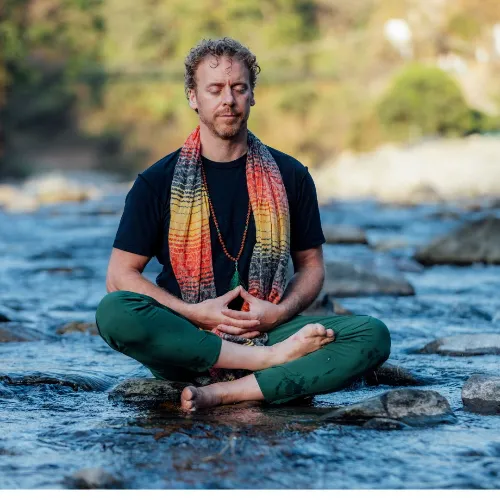
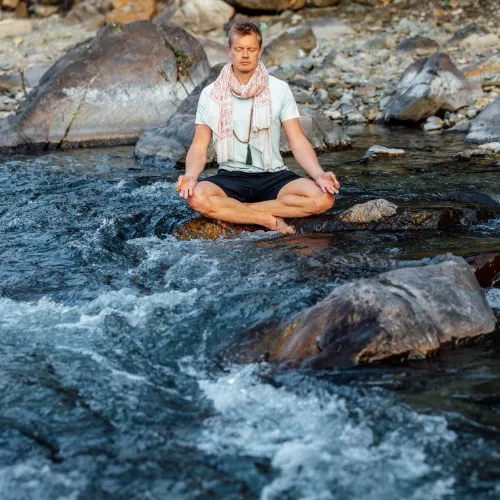
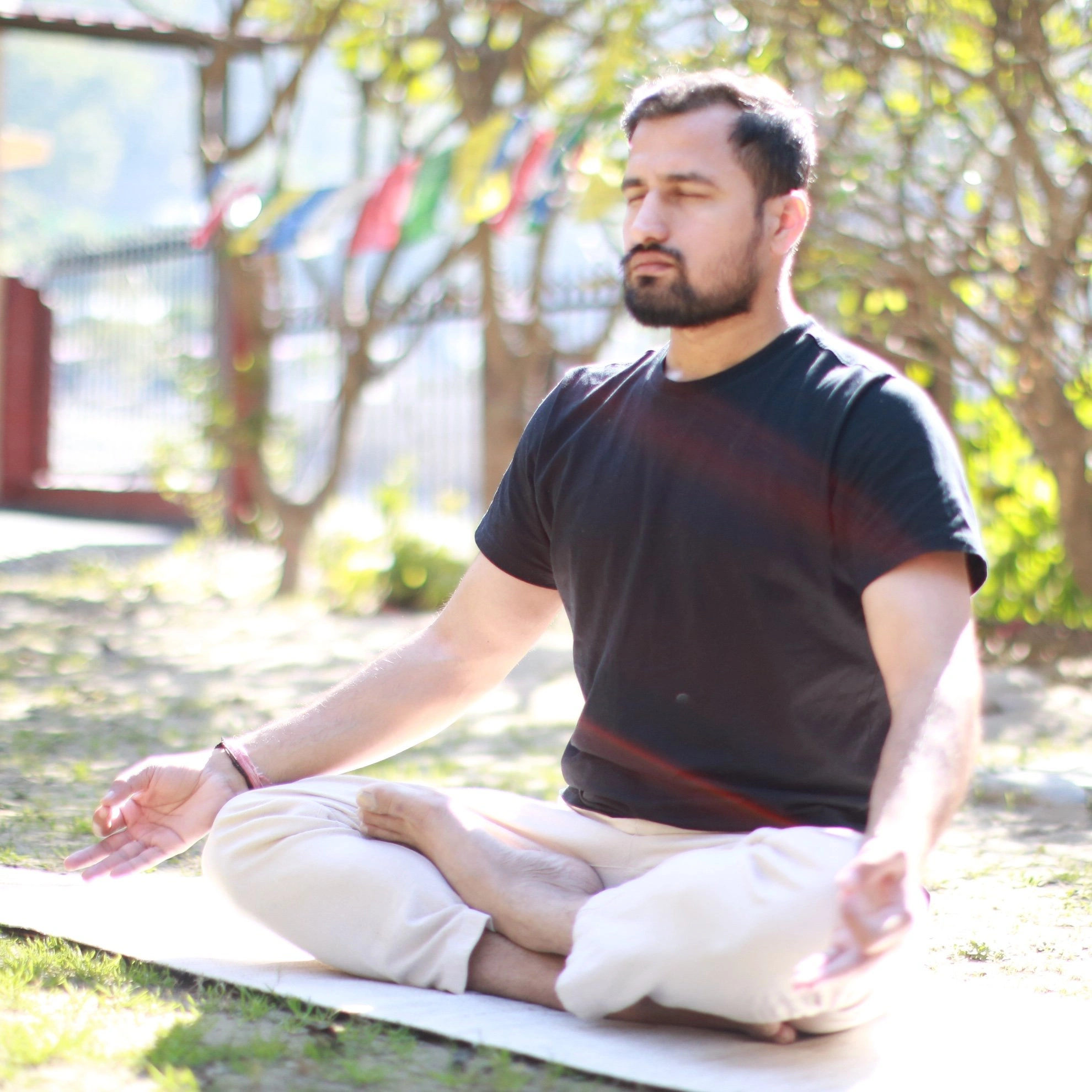
Meditation teaches us to become the observer of our thoughts. Instead of believing every critical thought, we learn to witness it—and let it pass.
This practice builds emotional resilience and opens the door to kinder, more affirming inner narratives.
4. Yogic Philosophy Invites Self-Kindness
At the heart of yoga is the principle of Ahimsa—non-violence. This includes how we treat ourselves. Practicing Ahimsa means letting go of harsh self-talk, honoring our limits, and embracing our imperfections with love and grace.
Yoga philosophy offers a deeper lens through which we begin to see ourselves not as problems to be fixed, but as beings to be cherished.
Practical Ways to Use Yoga to Nurture Self-Compassion
A Journey Back to Yourself
Healing from self-criticism isn’t about eliminating every negative thought. It’s about creating a stronger foundation of inner kindness—so that when those thoughts arise, they no longer have the final word.
Yoga offers us more than physical strength or flexibility. It offers us a space to return to ourselves, again and again, with patience, presence, and compassion.
Each breath is a reminder. Each pose is a choice.
To soften.
To listen.
To love.
And in this way, the path of yoga becomes a journey—not toward perfection, but toward wholeness.













































































Monday 26 Oct 2026 07:00:00 PM IST

Tuesday 20 Oct 2026 07:00:00 PM IST
Wednesday 21 Oct 2026 07:00:00 PM IST

Thursday 22 Oct 2026 07:00:00 PM IST

Monday 19 Oct 2026 06:00:00 AM IST
Friday 23 Oct 2026 06:00:00 AM IST

Your purpose here is to evolve, to transform, to experience your radical aliveness, to awaken to your true nature. You are the path. The path is you. The time is now.