
Get the Sattva app for
App exclusive features
Including member-only experiences

by Sattva Connect
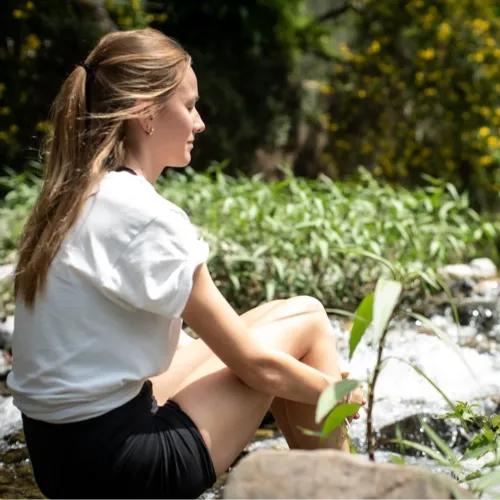
A practice for steady hearts and grounded minds.
Life unfolds in rhythms of joy and sorrow, clarity and confusion, ease and adversity. Emotional resilience is what allows us to stay grounded through it all — to meet life’s challenges without being consumed by them, and to rise again with wisdom, strength, and grace.
Though some people seem naturally resilient, emotional resilience is not a fixed trait — it is a skill. One that can be cultivated through intentional practice. And one of the most profound tools for building this inner strength is yoga.
Beyond physical postures, yoga offers a holistic path to emotional regulation, self-awareness, and inner stability. It becomes a space — both literal and metaphorical — where you learn to face discomfort, release tension, and meet yourself with compassion.
What Is Emotional Resilience?
Emotional resilience is the ability to navigate life’s emotional terrain with steadiness. It doesn’t mean being unaffected by difficulty, but rather having the capacity to:
It’s not about avoidance or suppression. It’s about learning to stay present with what is — and growing stronger through it.
Yoga supports this journey by bridging the body, mind, and breath into one integrated experience of healing and self-discovery.
How Yoga Cultivates Emotional Resilience
1. Deepening Self-Awareness
Yoga brings you into intimate contact with yourself. As you move, breathe, and observe, you begin to notice what arises within — physically, mentally, emotionally.
This heightened self-awareness allows you to:
Awareness is the first step toward resilience. When you know yourself, you can meet your inner world with curiosity rather than judgment.
2. Regulating the Nervous System
Breath is one of yoga’s most powerful tools for emotional regulation.
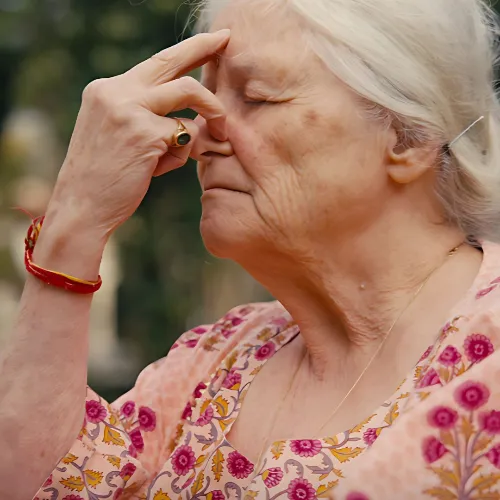
Practices like Ujjayi, Diaphragmatic Breathing, and Nadi Shodhana activate the parasympathetic nervous system — the body’s natural calming response. This soothes the stress response, lowers cortisol levels, and helps you shift from reactivity to calm presence.
With time, you learn to use your breath as a stabilizing anchor, even in the midst of emotional intensity.
3. Releasing Stored Tension
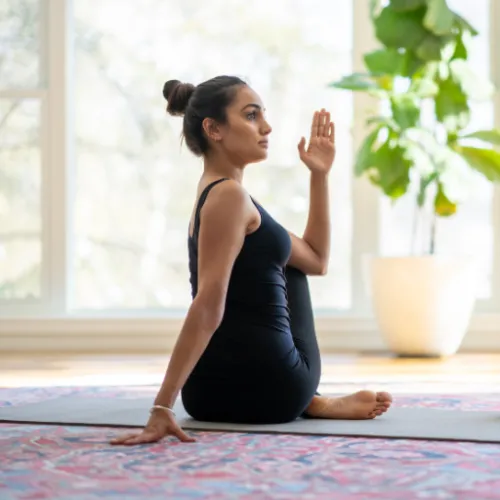
Emotions live in the body. Anger may manifest in clenched jaws or tight shoulders. Anxiety may settle in the belly or chest. Yoga postures help release this somatic tension and restore balance.
Gentle movement and conscious stretching invite a sense of emotional release, creating space not just in your muscles, but in your inner landscape.
You let go — not just physically, but emotionally.
4. Enhancing Clarity and Focus
Resilience requires clarity — the ability to pause, reflect, and respond skillfully.
By training attention through breath and movement, yoga sharpens mental focus and strengthens your capacity to stay present. This mental clarity helps you see situations with perspective and make decisions from a grounded, wise place. Even one mindful inhale can bring you back to center.
5. Strengthening the Mind-Body Connection
Yoga teaches you to listen — not only to your thoughts, but to your body's signals. As you develop somatic intelligence, you learn how emotions move through the body and how to tend to them with care.
This deepened mind-body connection fosters self-trust — a core element of resilience. You begin to trust that your body holds wisdom. That your breath is your ally. That you have everything you need within you.
Yoga Practices for Emotional Resilience
Incorporate the following practices into your routine to nourish emotional strength and inner calm:
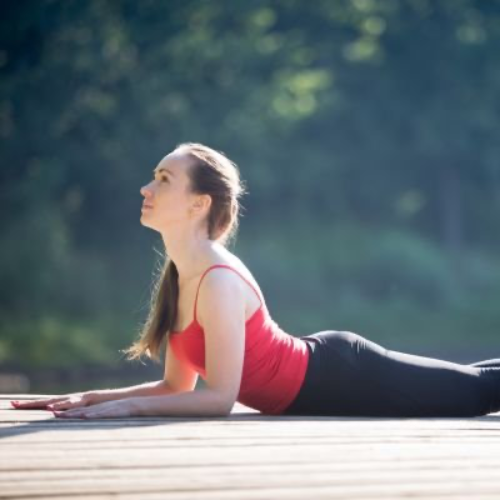
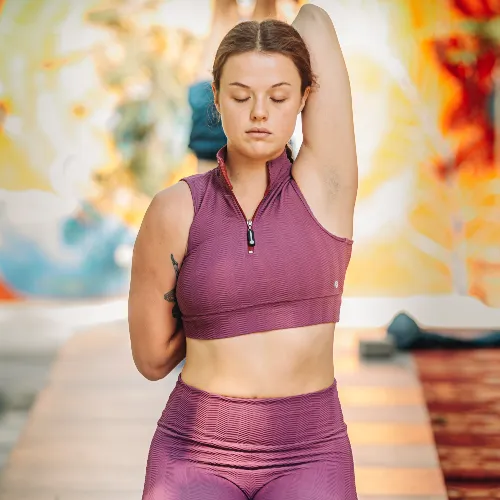
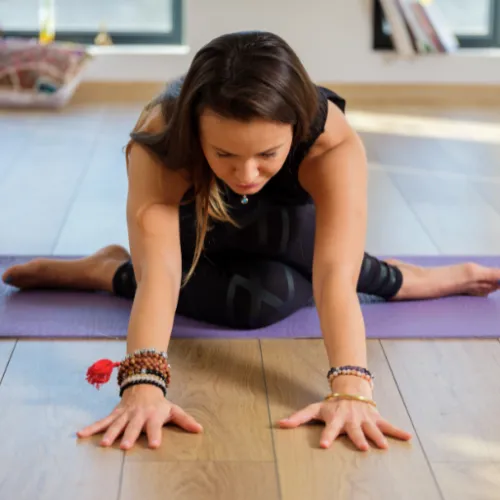
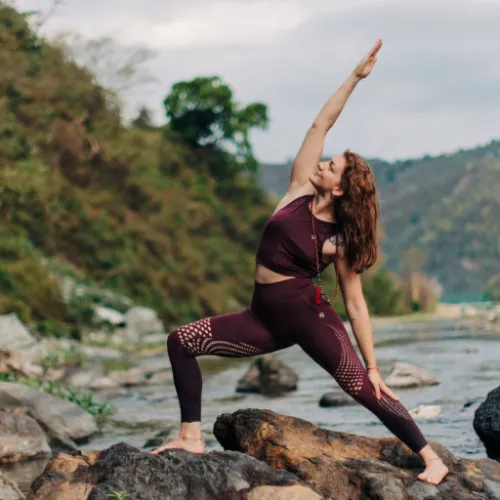
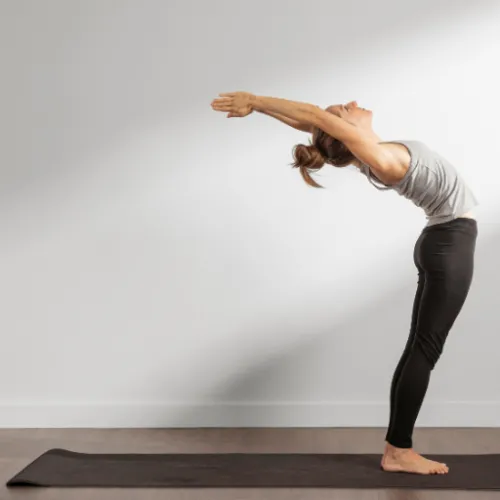
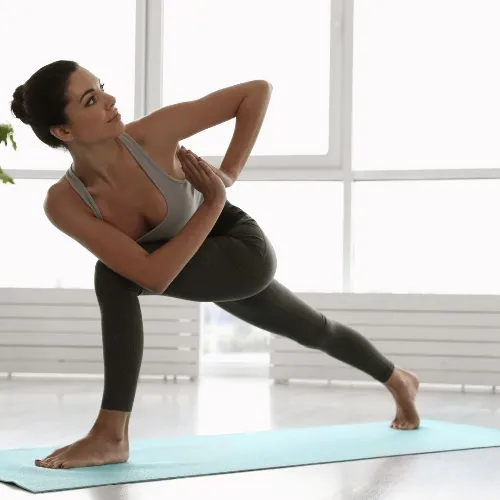
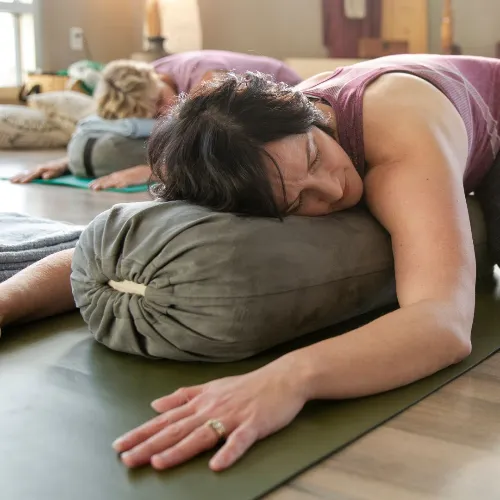
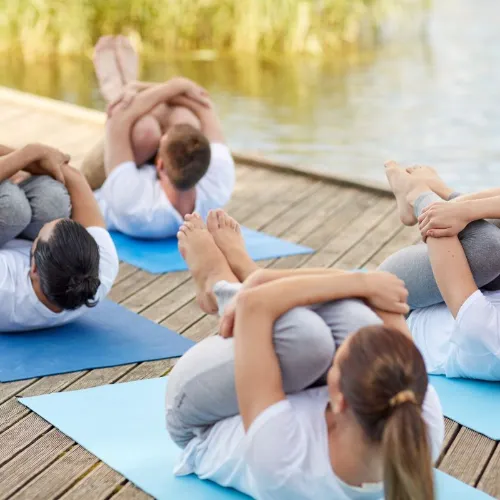
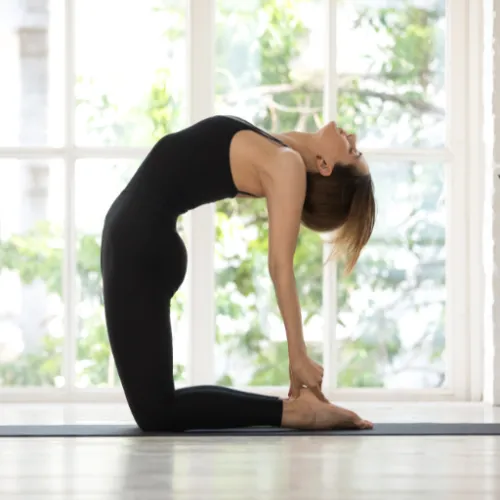
Gentle Asanas for Emotional Release
These restorative postures invite the nervous system into a healing state.
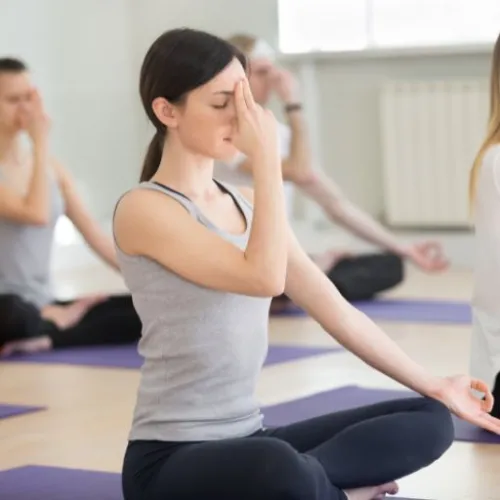
Pranayama for Calm and Clarity
Breath is the bridge between mind and body — and your most accessible tool for self-regulation.
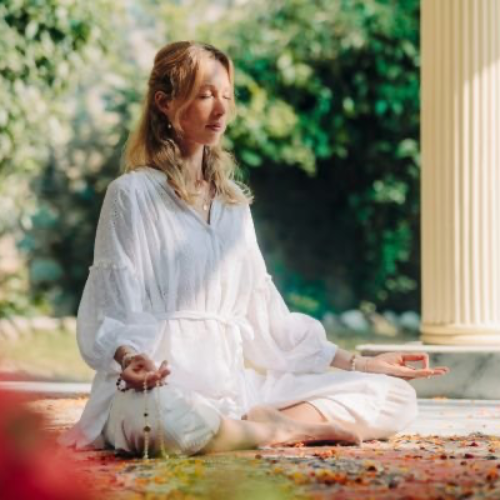
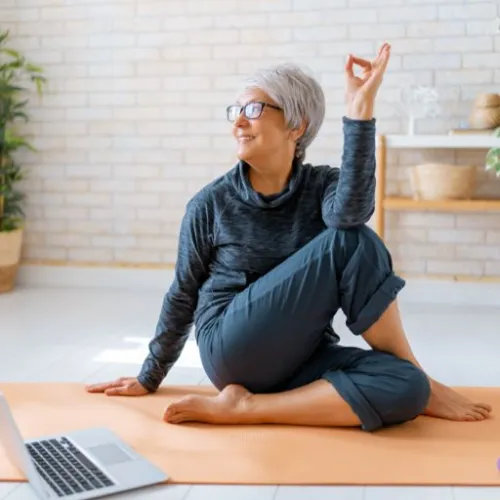
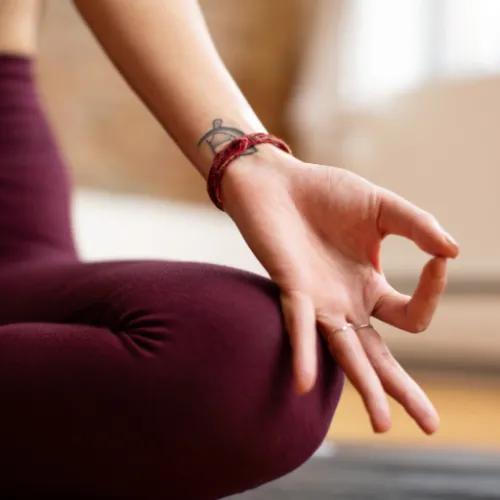
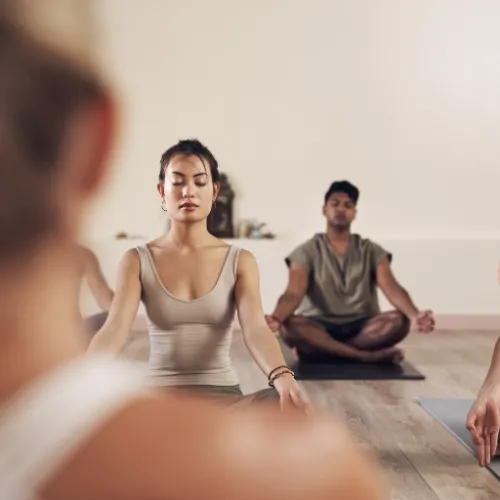
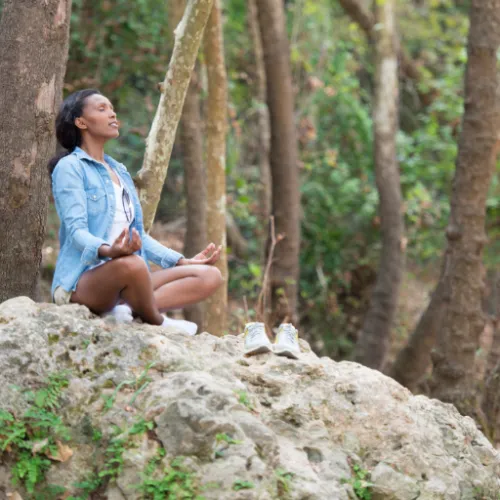
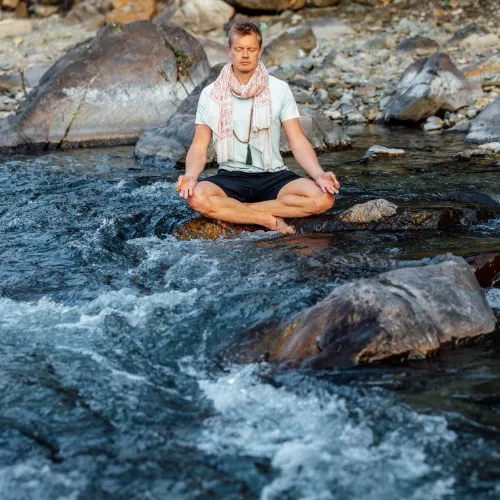
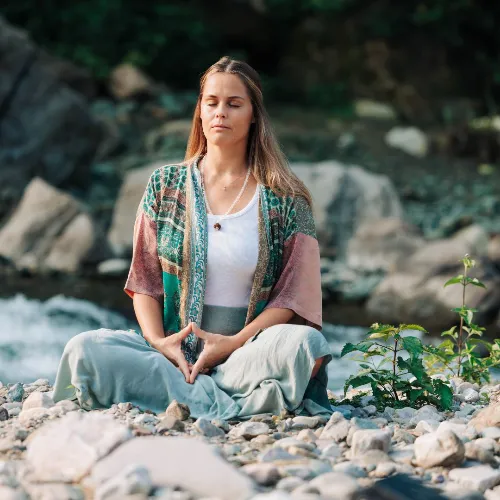
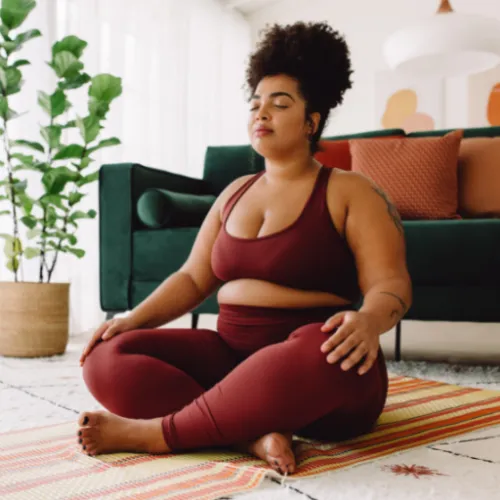
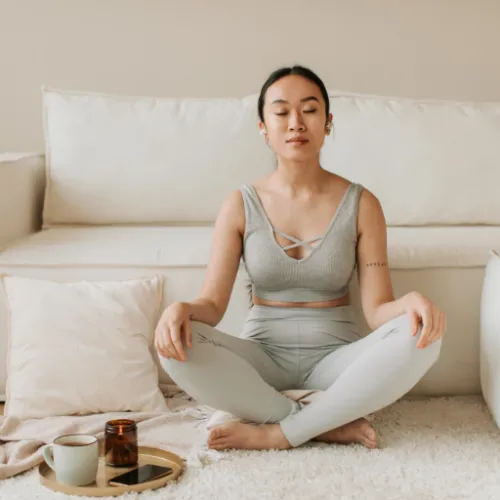
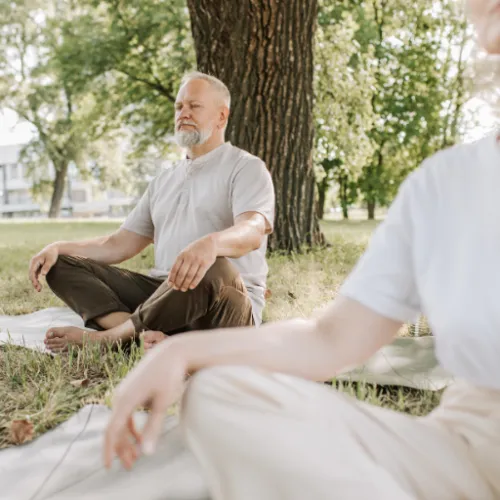
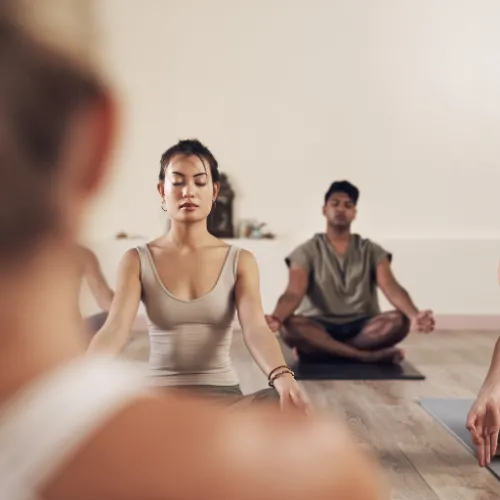
Meditation for Inner Peace
Even five minutes a day can shift how you meet yourself and the world.
Rooted in Resilience
Yoga teaches us that strength is not just about endurance — it's about adaptability. Not about never falling — but about rising with greater wisdom each time.
Through its integration of breath, movement, and mindfulness, yoga becomes more than a physical practice. It becomes a sanctuary — a place where you learn to feel, release, and grow.
And over time, it becomes a way of being.
One breath at a time. One pose at a time.
You build the resilience to meet life with grace, courage, and compassion.
So, the next time life feels heavy, return to your mat. Not to escape, but to remember — your strength lives within. And it’s always there, waiting to be reclaimed.





































Monday 26 Oct 2026 07:00:00 PM IST
Tuesday 13 Oct 2026 07:00:00 PM IST
Wednesday 14 Oct 2026 07:00:00 PM IST
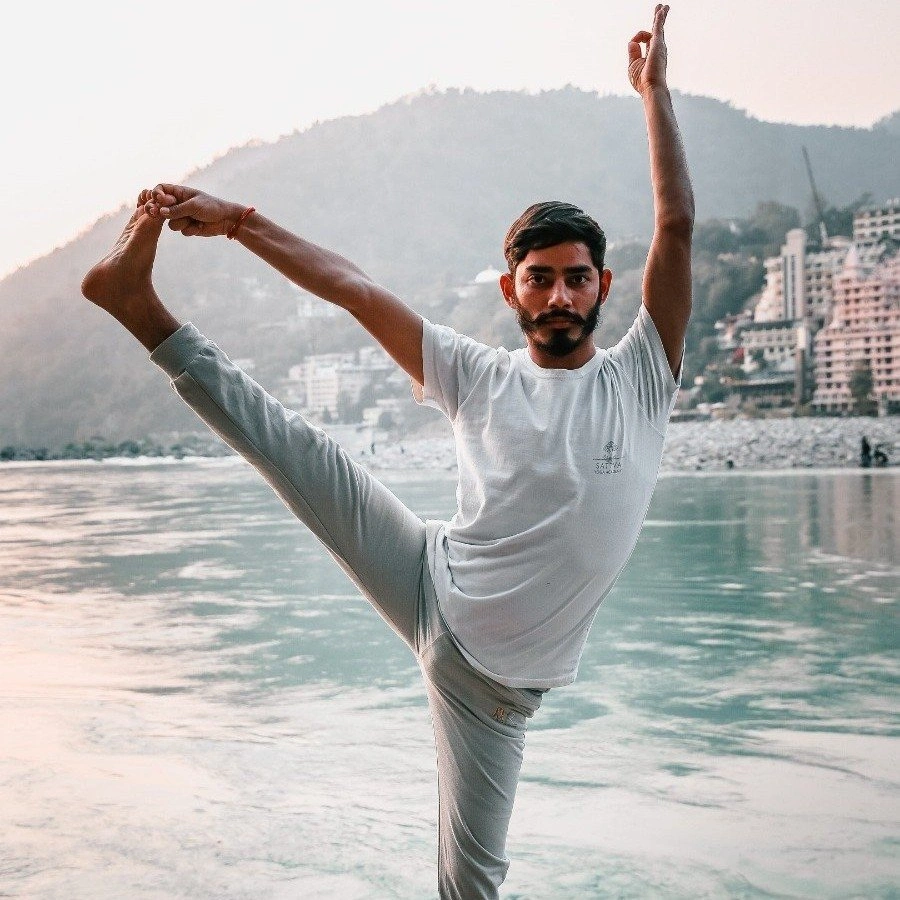
Thursday 15 Oct 2026 07:00:00 PM IST
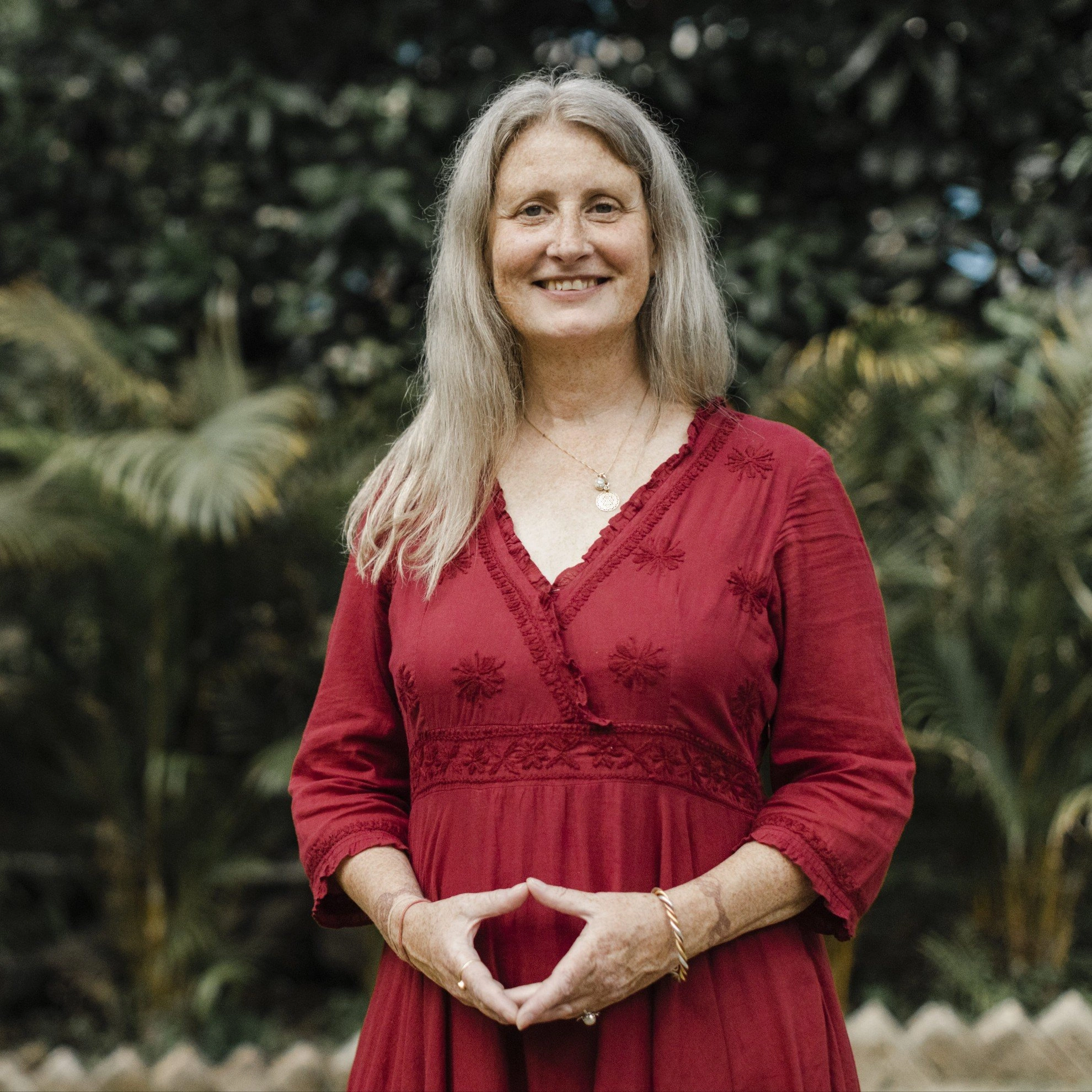
Monday 12 Oct 2026 06:00:00 AM IST
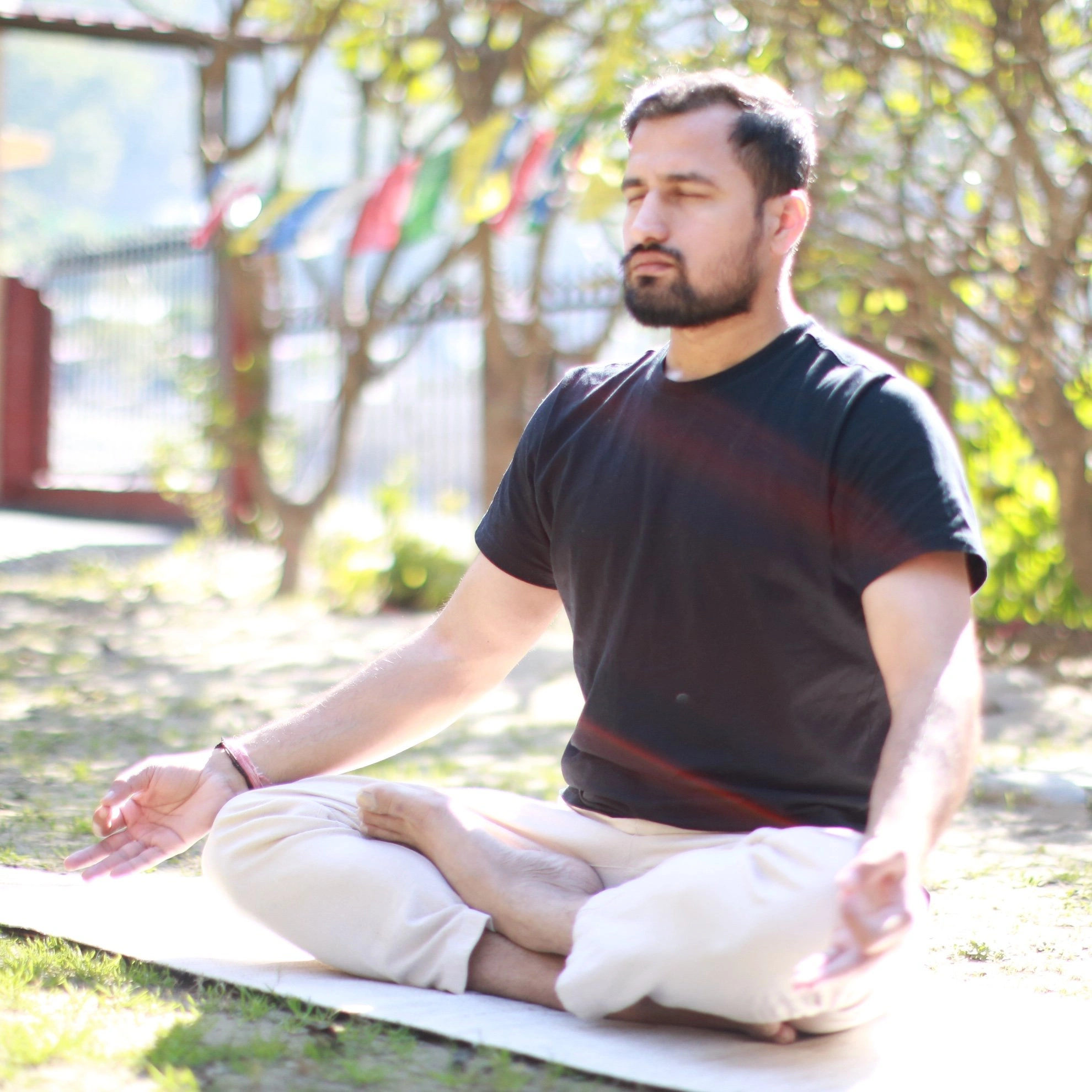
Friday 16 Oct 2026 06:00:00 AM IST

Your purpose here is to evolve, to transform, to experience your radical aliveness, to awaken to your true nature. You are the path. The path is you. The time is now.