
Get the Sattva app for
App exclusive features
Including member-only experiences

by Sattva Connect
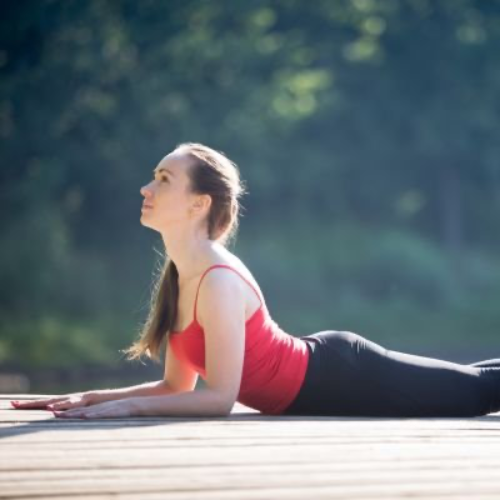
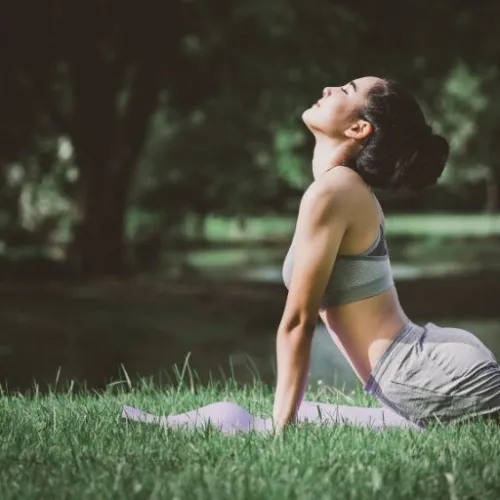
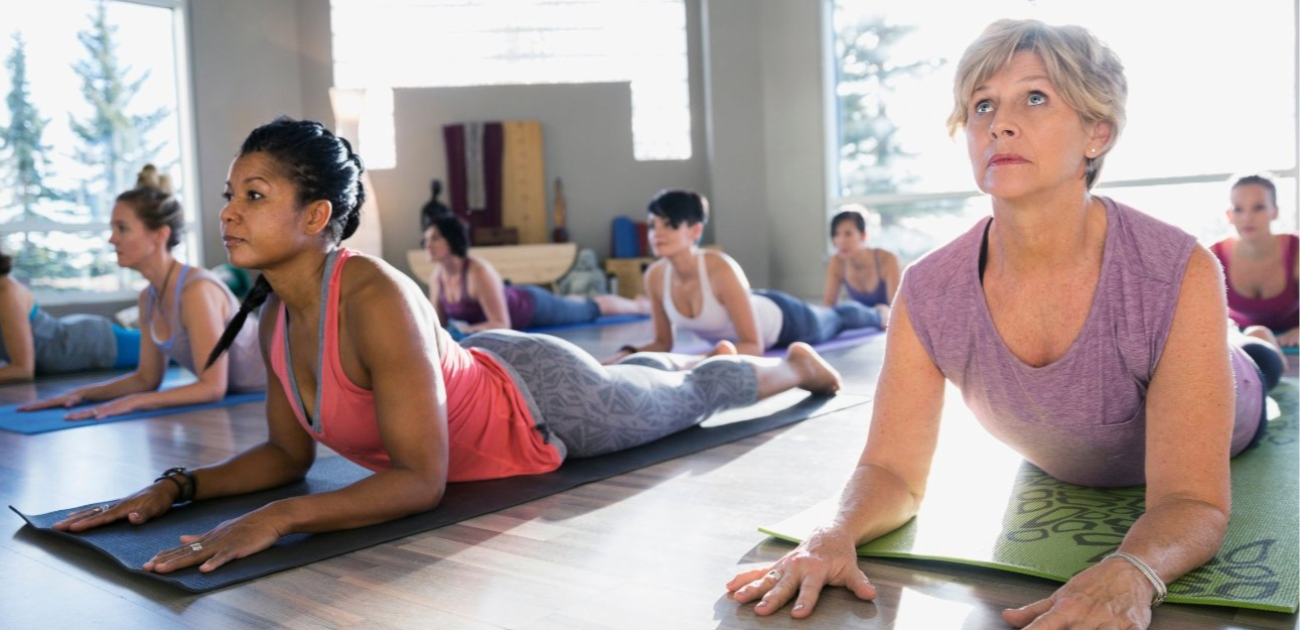
Sphinx Pose, or Salamba Bhujangasana in Sanskrit, is a gentle yet deeply effective yoga posture that offers far more than just a mild backbend. Named after the mythical creature known for its strength and poise, this supported pose invites us to embody steadiness, openness, and self-awareness.
Rooted in softness, Sphinx Pose nurtures both body and mind, helping us build spinal integrity, emotional resilience, and inner calm. Whether you’re looking to support your posture, ease tension, or gently awaken your heart space, this pose serves as an accessible and transformative practice.
Benefits of Sphinx Pose
1. Supports Spinal Health
Sphinx Pose provides a therapeutic stretch through the spine, promoting healthy curvature and mobility. It gently counters the effects of prolonged sitting and modern posture habits, helping to reduce back stiffness and support spinal alignment.
2. Opens the Heart Centre
As the chest lifts and expands, the pose encourages openness through the front body—particularly the chest, lungs, and shoulders. This can enhance respiratory function and relieve tightness in areas often burdened by stress.
3. Encourages Emotional Release
The heart-opening nature of Sphinx Pose also creates space for emotional processing. Releasing tension from the upper back and shoulders often invites suppressed emotions—such as grief or frustration—to rise and release in a safe, supported way.
4. Strengthens the Core
Subtle core engagement stabilizes the spine and pelvis, helping to strengthen your deep abdominal muscles. This improves postural awareness and supports long-term spinal integrity.
5. Elevates Mood and Energy
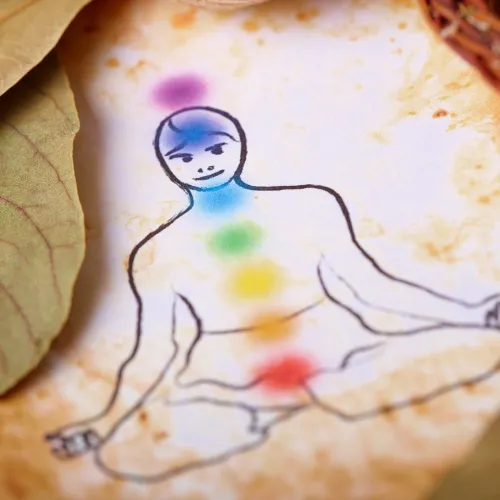
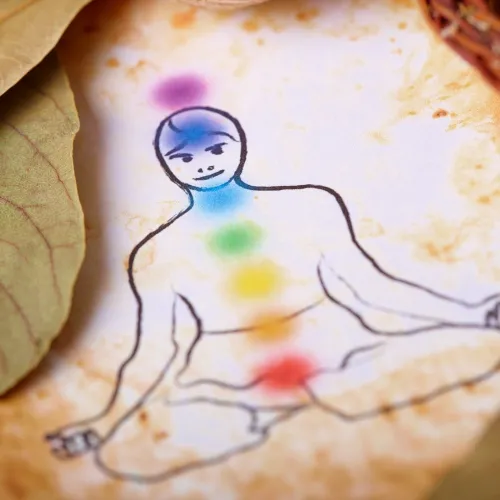
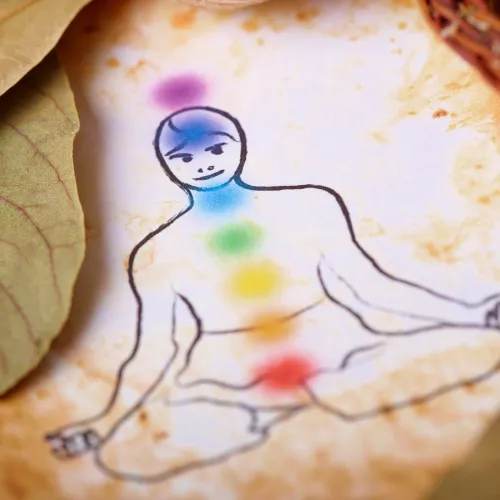
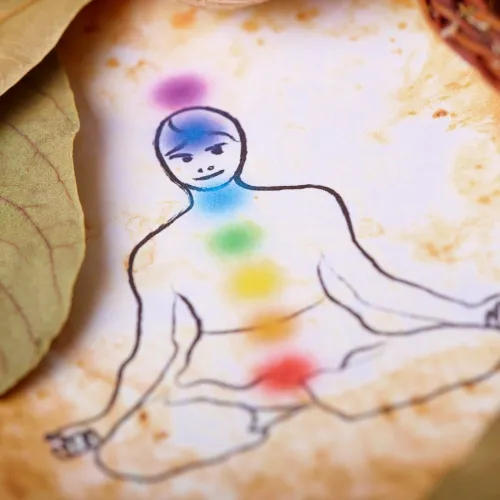
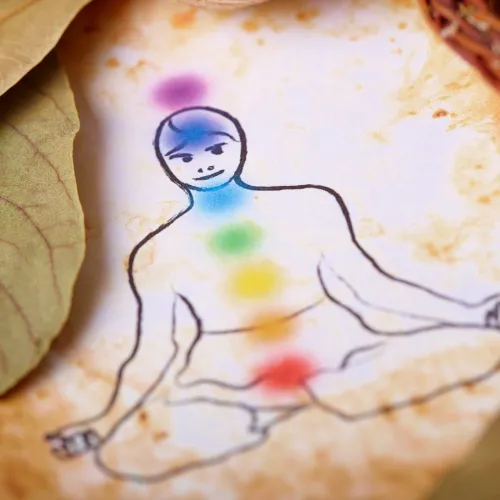
Sphinx Pose stimulates the solar plexus chakra, which governs personal power and self-esteem. Practising this pose can uplift your energy, enhance mental clarity, and support emotional empowerment.
6. Invites Stillness and Mindfulness
Because it requires stillness and conscious breathing, Sphinx Pose becomes a meditative experience. It invites us to slow down, breathe deeply, and soften into the present moment—cultivating a sense of peace from within.
How to Practice Sphinx Pose
Begin Face Down
Lie on your stomach with your legs extended behind you, tops of the feet pressing gently into the mat. Place your elbows under your shoulders, forearms parallel and palms grounded.
Lift Gently
On an inhale, press into your forearms to lift your chest and upper torso. Let your shoulders soften away from your ears and gently draw your heart forward.
Align & Lengthen
Engage your legs and core lightly to stabilize the lower back. Lengthen the spine by reaching through the crown of the head while anchoring your pelvis to the earth.
Relax the Face & Neck
Soften your jaw and let your eyes find a gentle gaze forward or slightly downward. Breathe steadily and allow the pose to deepen naturally.
Stay & Breathe
Hold the pose for 1–3 minutes, or as long as feels comfortable. With each exhale, allow your body to soften more deeply into the support beneath you.
Release with Care
When you're ready, slowly lower your chest and rest your head on your forearms. Allow a few breaths to integrate the effects before moving on.
Tips for Practising Sphinx Pose
Precautions & Contraindications
The Wisdom of the Sphinx
Sphinx Pose is a reminder that strength doesn’t always require force. In its quiet stillness, this posture encourages us to move gently, listen inwardly, and reconnect with our bodies from a place of support and compassion.
With regular practice, Sphinx Pose can become a powerful tool for improving spinal health, cultivating emotional balance, and awakening a sense of resilience from within. As always, practice with patience, presence, and reverence for your body’s wisdom.
Want to explore this pose in greater depth?
Start your 7-day free trial and visit the Asana Lab on Sattva Connect—your support for an awakened life.


























Monday 26 Oct 2026 07:00:00 PM IST
Tuesday 13 Oct 2026 07:00:00 PM IST
Wednesday 14 Oct 2026 07:00:00 PM IST
Thursday 08 Oct 2026 07:00:00 PM IST
Monday 12 Oct 2026 06:00:00 AM IST
Sunday 11 Oct 2026 07:00:00 PM IST
Friday 09 Oct 2026 06:00:00 AM IST

Your purpose here is to evolve, to transform, to experience your radical aliveness, to awaken to your true nature. You are the path. The path is you. The time is now.