

Get the Sattva app for
App exclusive features
Including member-only experiences


by Sattva Connect
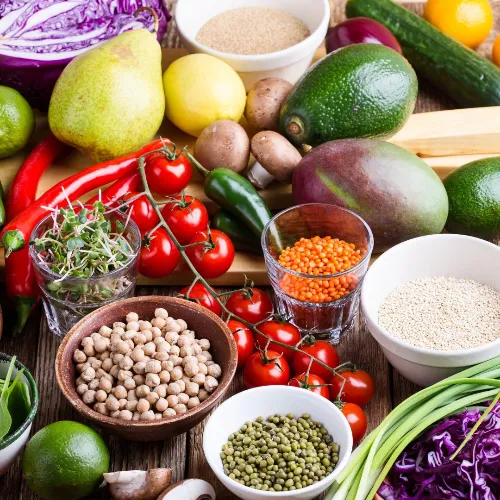
The food we eat doesn’t just fuel the body —it shapes the quality of our mind, our emotions, and the depth of our spiritual practice. The ancient yogis understood this intimately, and from that understanding came the wisdom of a sattvic diet: one that cultivates clarity, peace, and vitality.
Rooted in Ayurvedic and yogic tradition, a sattvic diet supports a life of balance and higher awareness. It nourishes the body while calming the mind, helping you stay centered and connected on your spiritual path. And while today’s world is filled with processed, stimulating, or heavy foods, shifting even gently toward a sattvic way of eating can support transformation from the inside out.
Let’s explore six sattvic foods that can support your yoga practice, mental clarity, and emotional well-being.
What Is a Sattvic Diet?
The word sattva means purity, harmony, and balance. A sattvic diet emphasizes fresh, natural, and easily digestible foods that are free from toxicity and excess stimulation. Unlike rajasic (agitating) or tamasic (dulling) foods, sattvic foods promote calm energy, spiritual clarity, and sustained vitality.
This way of eating is less about rules and more about awareness—tuning into what your body truly needs to thrive and what supports your highest intentions.
6 Sattvic Foods to Embrace
1. Fresh Fruits
Bright, vibrant, and full of life force (prana), fruits are at the heart of a sattvic diet. They hydrate the body, deliver natural sweetness, and offer a rich supply of antioxidants, vitamins, and minerals.
Try: Apples, pears, bananas, berries, papaya, or seasonal local fruit.
Tip: Choose organic when possible to avoid chemical residues.
2. Whole Grains
Whole grains are grounding, nourishing, and provide sustained energy. Their fiber and complex carbs support steady digestion and calm the nervous system, making them ideal for a centered, focused mind.
Try: Brown rice, quinoa, oats, millet, or barley.
Tip: Prepare as warm porridges, grain bowls, or simple soups to support digestion.
3. Leafy Greens & Root Vegetables
Vegetables are essential in a sattvic diet—especially greens and naturally sweet roots. They cleanse the system, calm the mind, and provide essential nutrients without heaviness.
Try: Spinach, kale, chard, carrots, sweet potatoes, and zucchini.
Tip: Lightly cook or steam for easier digestion, especially in cooler seasons.
4. Nuts & Seeds
A small handful of nuts and seeds provides healthy fats, minerals, and plant protein to support brain function, heart health, and mood stability.
Try: Almonds, walnuts, sesame seeds, flaxseeds, or chia.
Tip: Soak nuts overnight to improve digestion and nutrient absorption.
5. Herbal Teas
Herbal infusions soothe the senses, ease digestion, and support a calm mind. They can also help transition away from stimulants like coffee or black tea.
Try: Chamomile, peppermint, tulsi (holy basil), ginger, or fennel tea.
Tip: Sip before meditation or in the evening to unwind and centre.
6. Fresh Dairy (Ethically Sourced)
When sourced from healthy, well-treated animals, dairy is considered sattvic. It offers grounding nourishment and supports mental clarity when consumed in moderation.
Try: Warm milk, yogurt, paneer, or ghee.
Tip: Always choose organic and local dairy where possible. Warm milk with turmeric or cardamom makes a soothing, sattvic evening drink.
Food as a Path to Awareness
A sattvic diet is not about restriction—it’s a gentle invitation to listen more deeply to your body and choose foods that support vitality and inner peace. These six food groups can help you feel lighter, clearer, and more grounded—on and off the mat.
And remember, progress is not about perfection. Start with small changes and notice how you feel. Over time, these shifts can support deeper meditation, more energy, emotional steadiness, and a greater connection to your spiritual path.
Ready to go deeper?
Explore how food, breath, and energy align through the lens of Ayurveda in our course:
Ayurveda: Your Pathway to Self-Healing with Justine Lemos—available exclusively on Sattva Connect.
Let your plate become part of your practice. Let nourishment become an act of awakening.











































































































Monday 26 Oct 2026 07:00:00 PM IST

Tuesday 13 Oct 2026 07:00:00 PM IST

Wednesday 14 Oct 2026 07:00:00 PM IST

Thursday 15 Oct 2026 07:00:00 PM IST

Monday 12 Oct 2026 06:00:00 AM IST

Not Scheduled Yet IST
Friday 16 Oct 2026 06:00:00 AM IST

Your purpose here is to evolve, to transform, to experience your radical aliveness, to awaken to your true nature. You are the path. The path is you. The time is now.