
Get the Sattva app for
App exclusive features
Including member-only experiences

by Sattva Connect

In a world that constantly tugs at our attention—from emails and obligations to news alerts and mental clutter—it's easy to find ourselves moving through life on autopilot. Our minds become consumed with planning and processing, while our bodies quietly carry the burden of stress, tension, and unresolved emotion.
Yoga, however, offers us a powerful tool to bridge this divide. Through mindful movement, conscious breath, and inward focus, yoga helps us reconnect the mind and body—enhancing self-awareness and bringing us back into balance.
What Is the Mind-Body Connection?
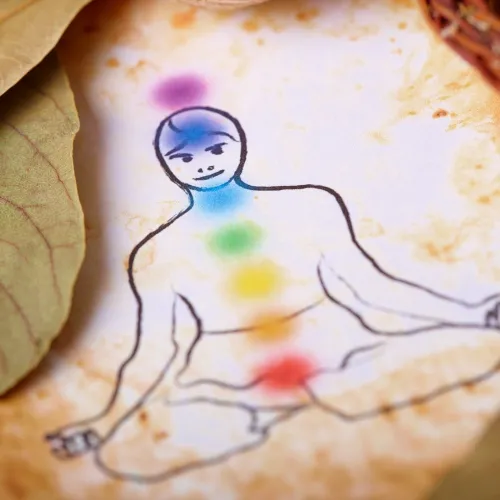
The mind-body connection speaks to the inseparable relationship between our mental and physical states. Ancient yogic philosophy and modern science both affirm that how we feel emotionally directly affects the body—and vice versa.
When we’re stressed, our bodies often respond with headaches, tight shoulders, or an unsettled gut. Likewise, physical pain or fatigue can cloud our mood and dull our mental clarity. Self-awareness—the ability to notice these cues and respond with care—is the bridge that reconnects these two vital aspects of our being.
And yoga, in its essence, is a practice of remembering this unity.
How Yoga Strengthens the Mind-Body Connection
Yoga is designed to harmonize the body and mind, helping us become more attuned to the signals, sensations, and patterns that shape our experience. Through movement, breath, and mindfulness, yoga invites us to reconnect with ourselves on a deeper level — bridging the gap between how we think, feel, and move. Below are the key ways yoga strengthens this vital connection.
1. Mindful Movement: Presence in Every Pose
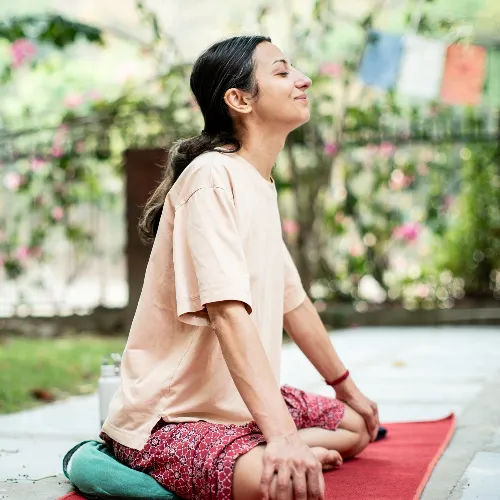
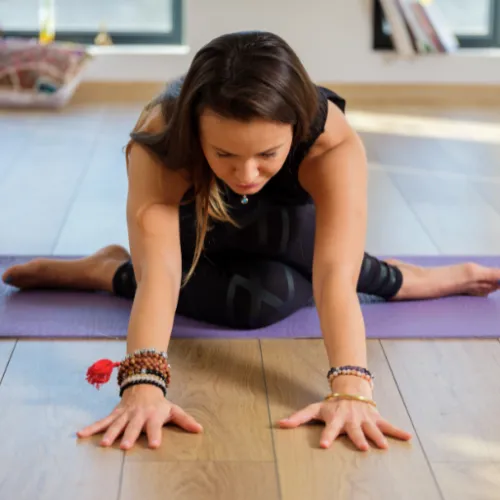
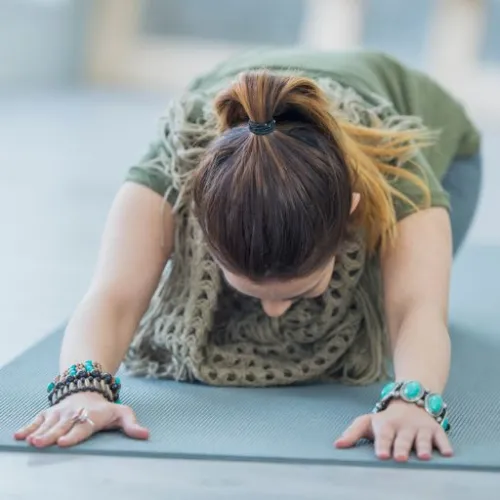
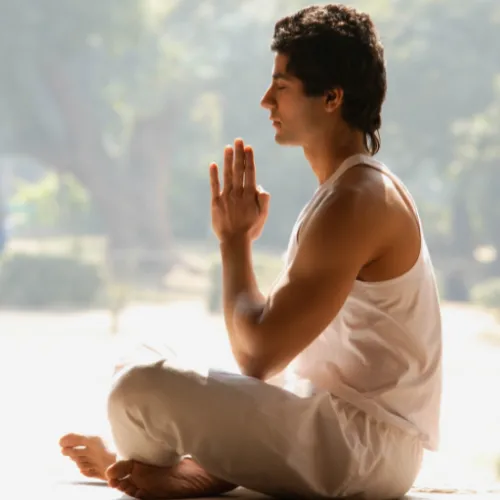
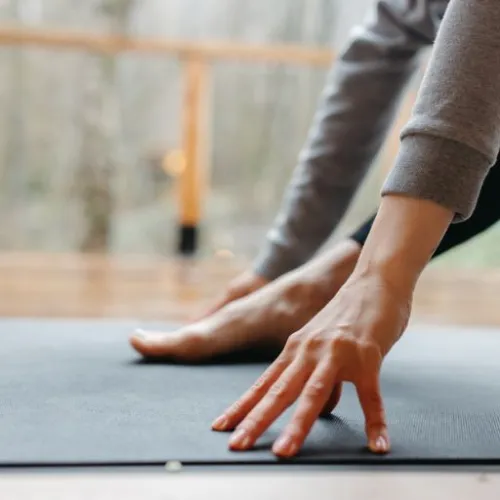
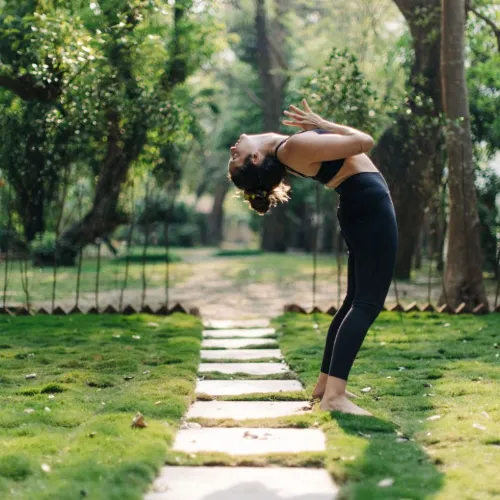
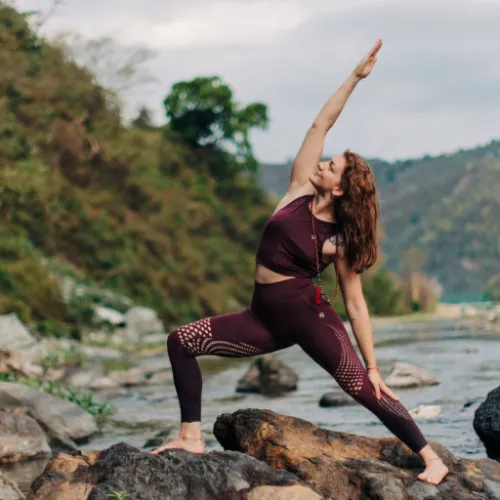
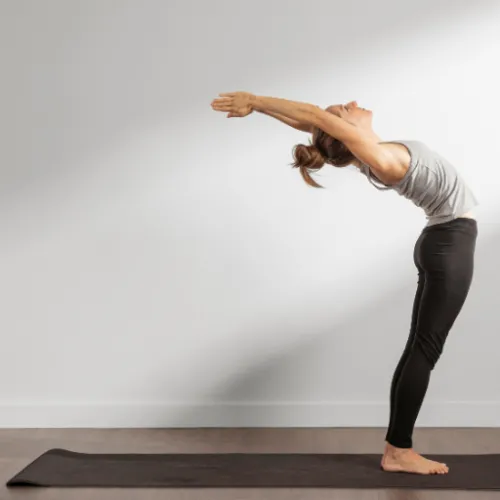
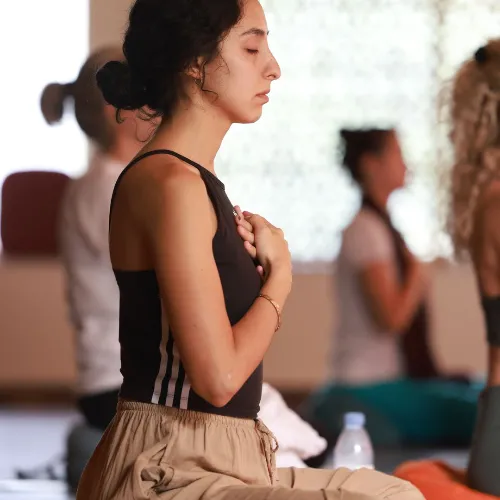
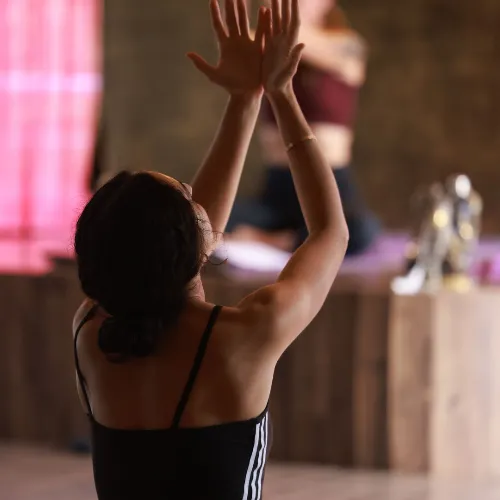
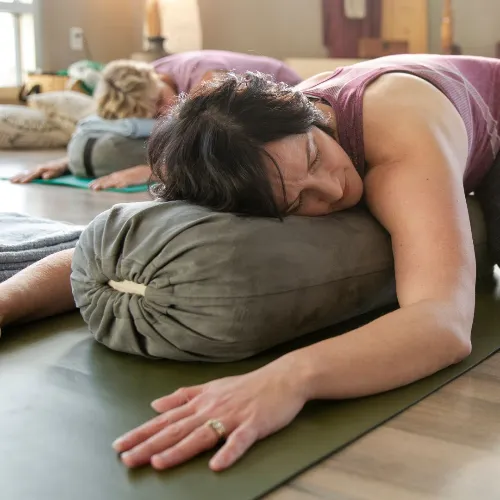
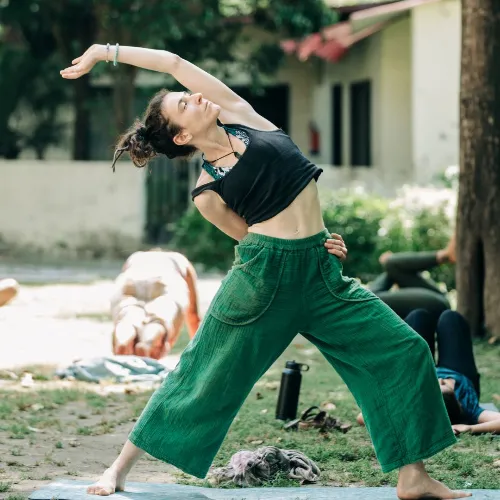
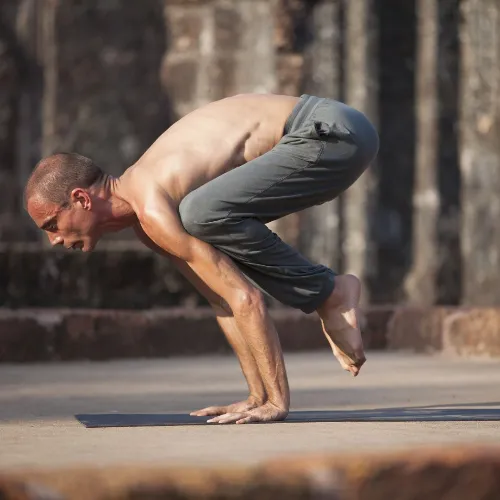
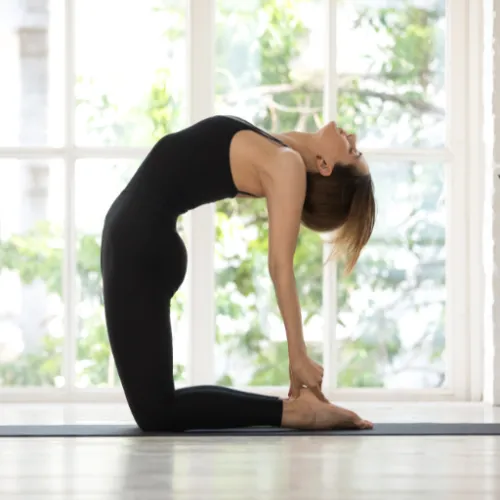
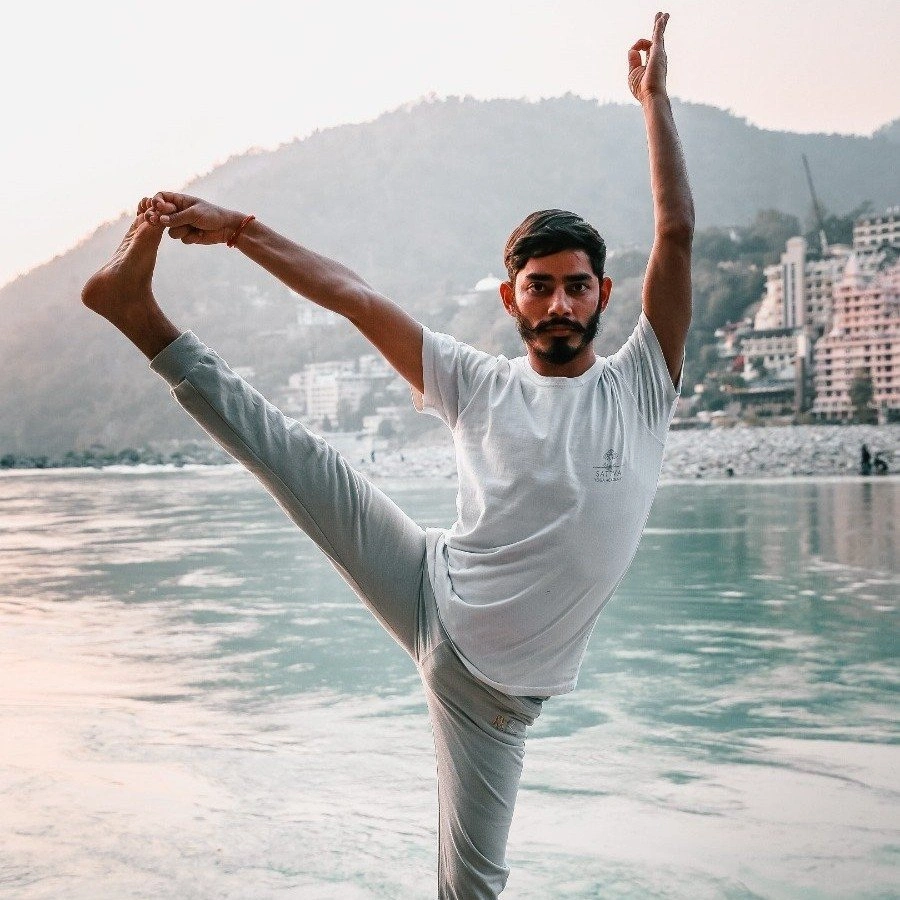
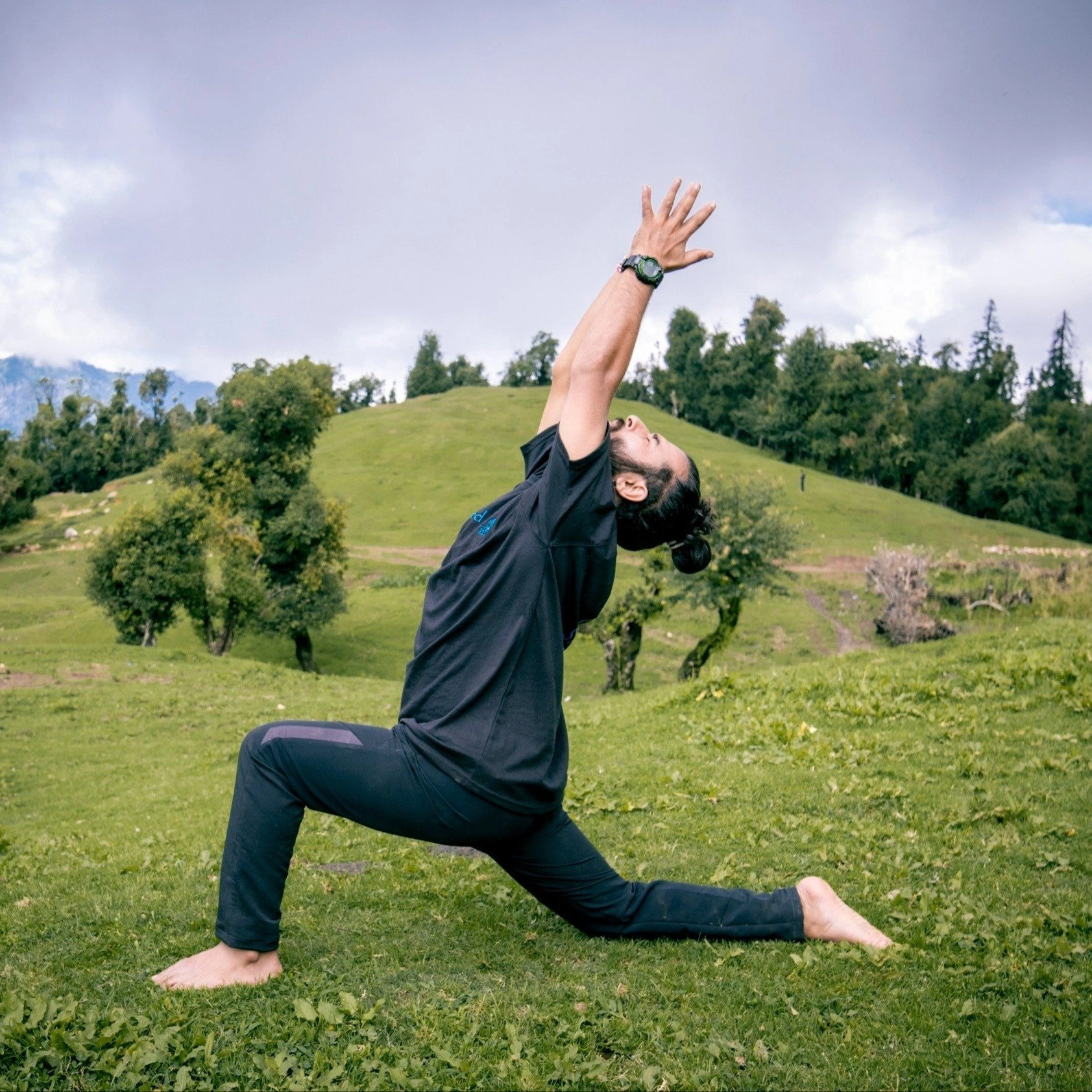
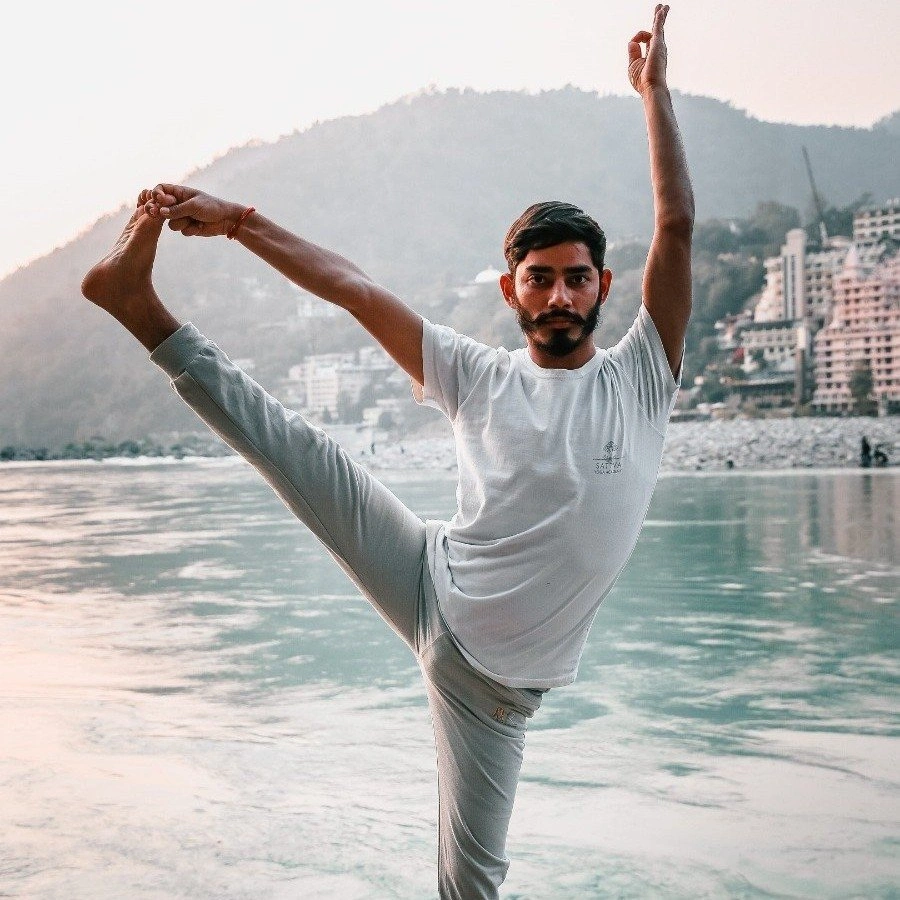
Each yoga posture is a practice in awareness. Whether you're balancing in Tree Pose or grounding in Child’s Pose, yoga asks you to slow down, tune in, and listen—how does your body feel in this moment? What is the breath doing? What thoughts are passing through?
This kind of presence fosters a living dialogue between your body and your mind. Over time, you begin to notice not just physical sensations, but also emotional cues—where you hold stress, where you feel energized, and when something deeper is asking to be acknowledged.
2. Breathwork (Pranayama): Calming the Mind, Anchoring the Body
Your breath is a direct reflection of your internal state. Shallow breathing often signals stress or anxiety, while deep, steady breaths reflect calm and relaxation.
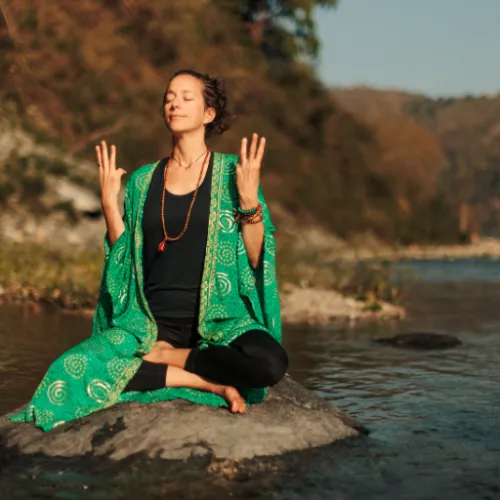
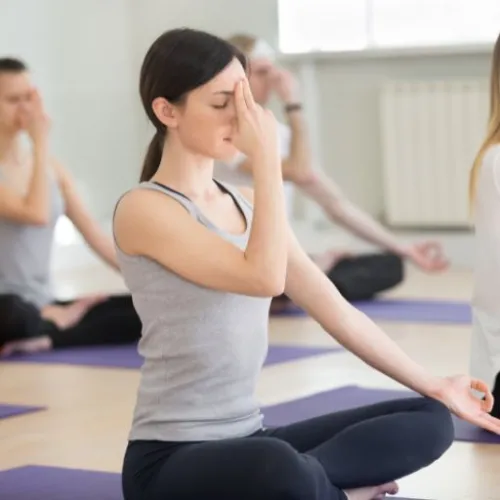
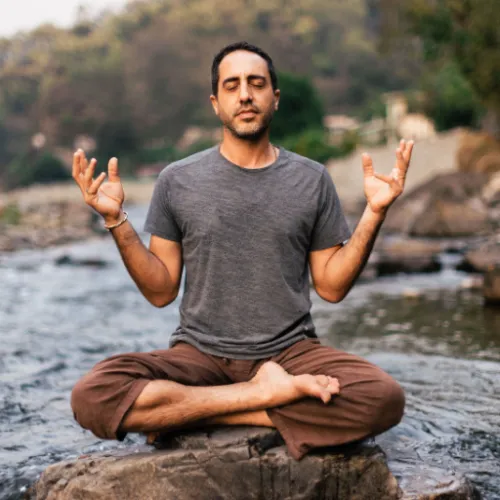
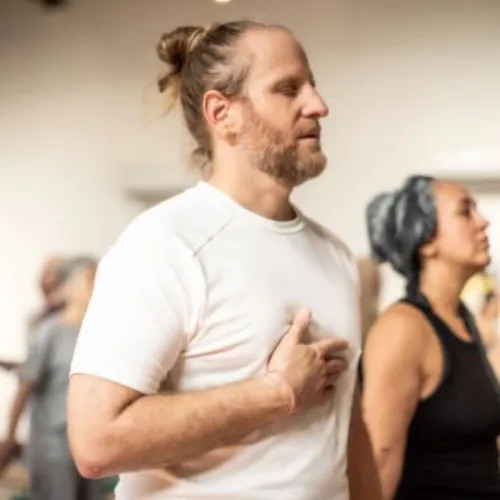
In yoga, pranayama—conscious breathing—acts as a tuning fork, bringing the nervous system into balance. Practices like Nadi Shodhana (alternate nostril breathing) and Three-Part Breath create space between thoughts and soothe the body. With regular breath awareness, you begin to recognize how emotions affect your physiology—and how your breath can bring you back to center.
3. Meditation: Meeting the Mind with Compassion
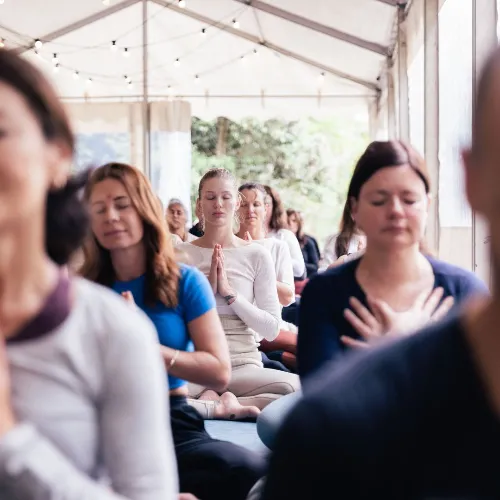
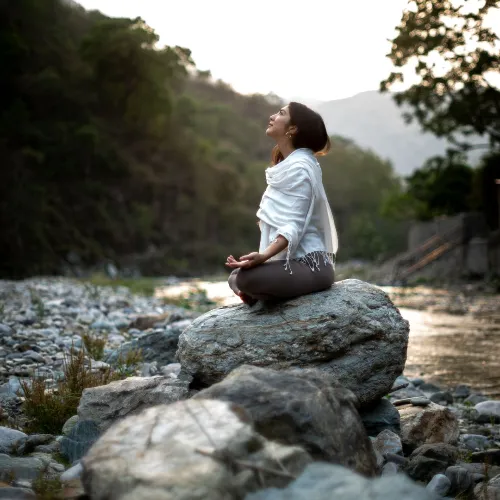
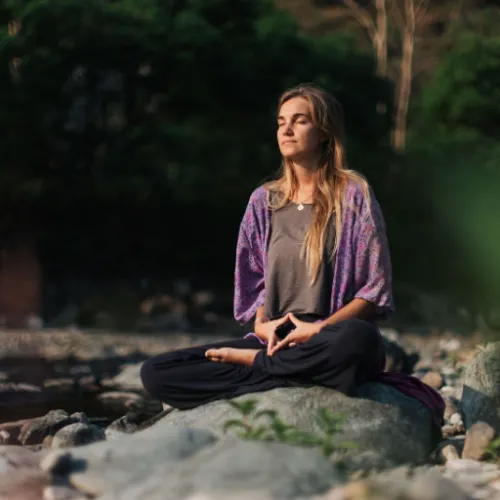
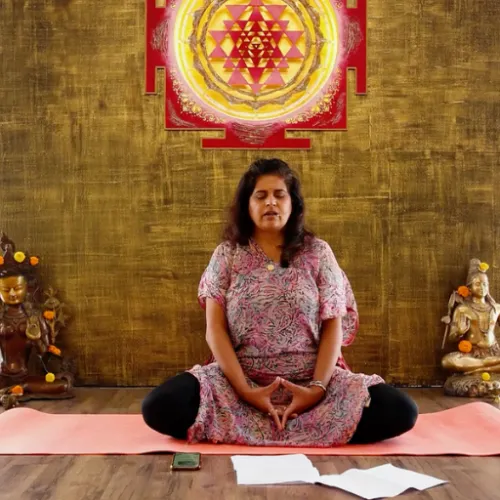
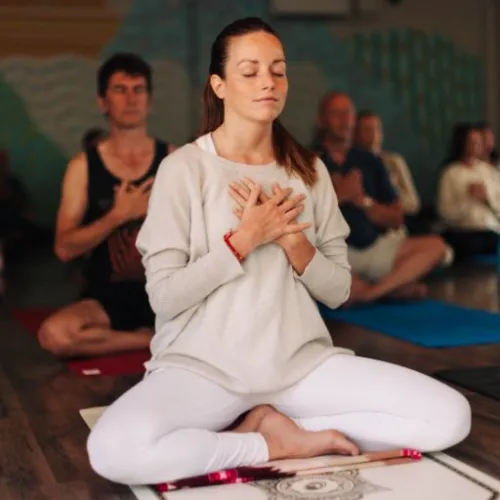
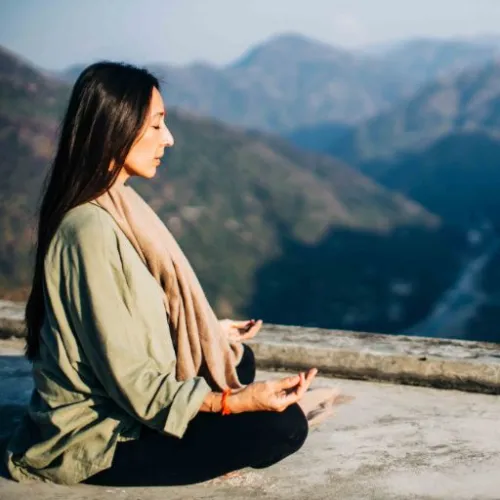
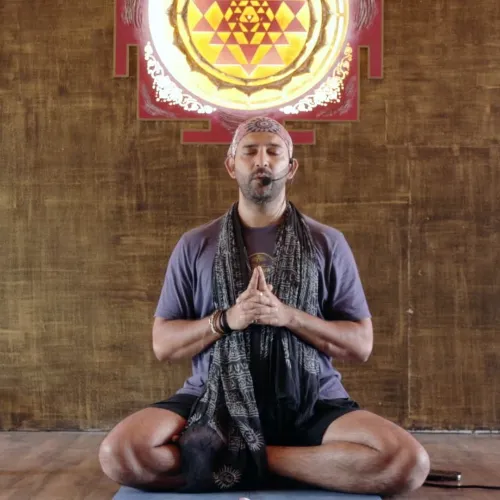
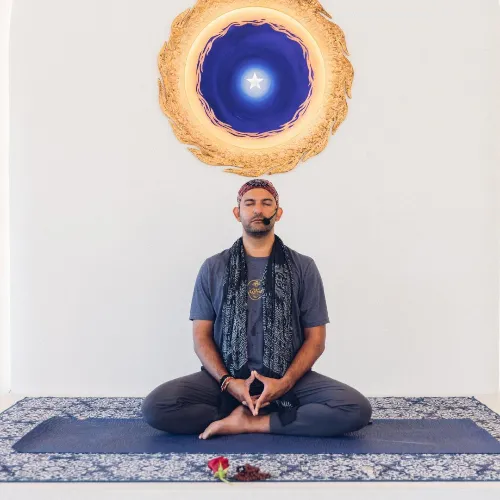
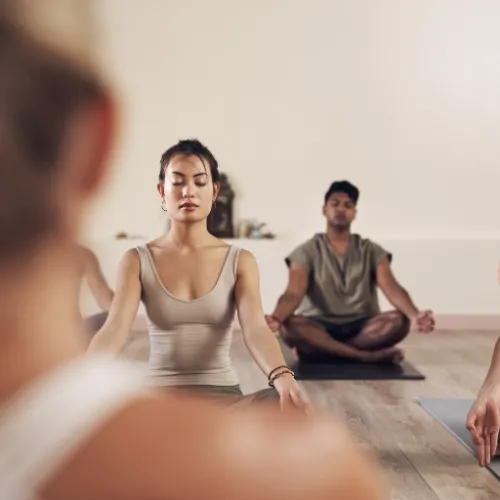
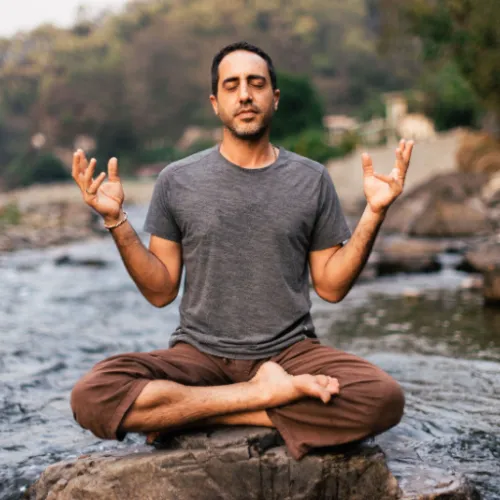
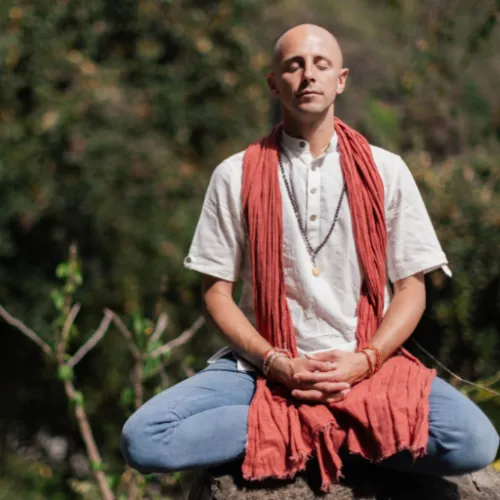
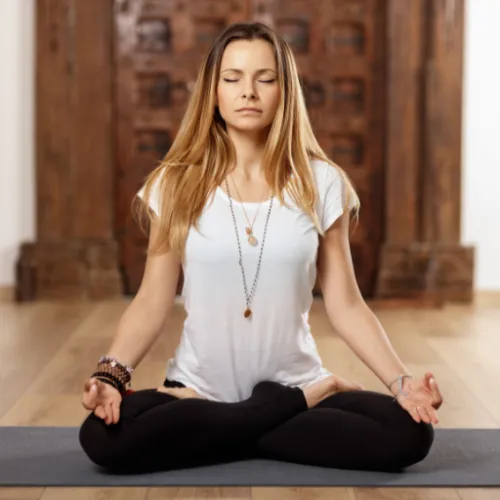
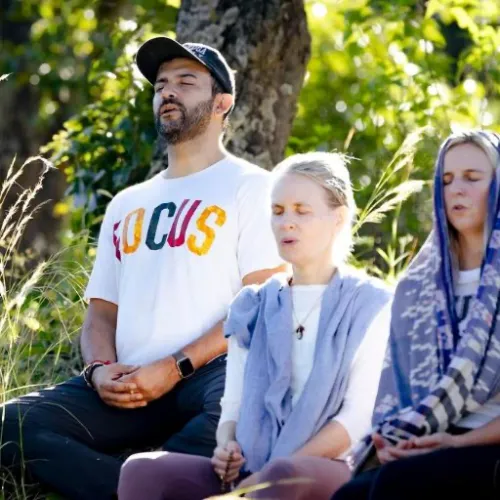
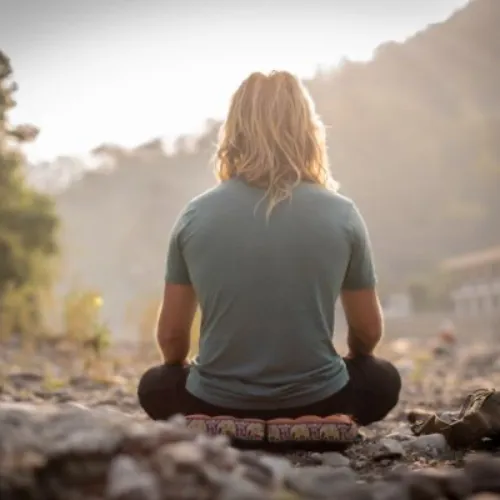
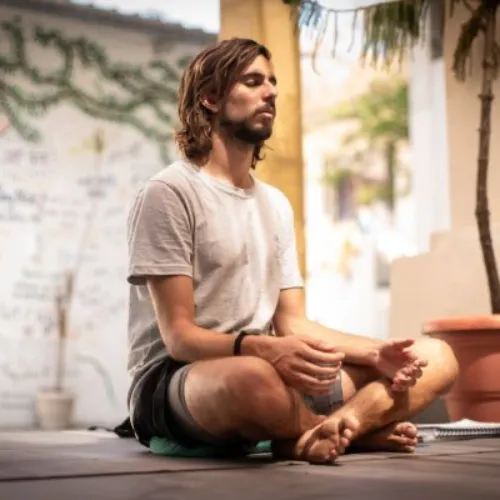
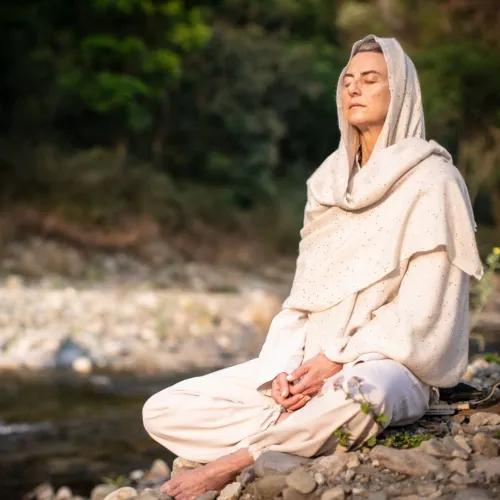
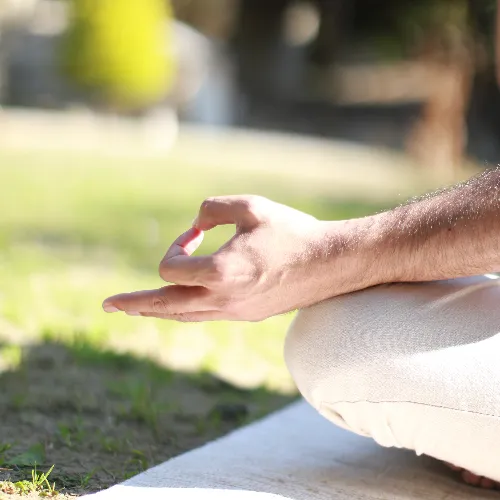
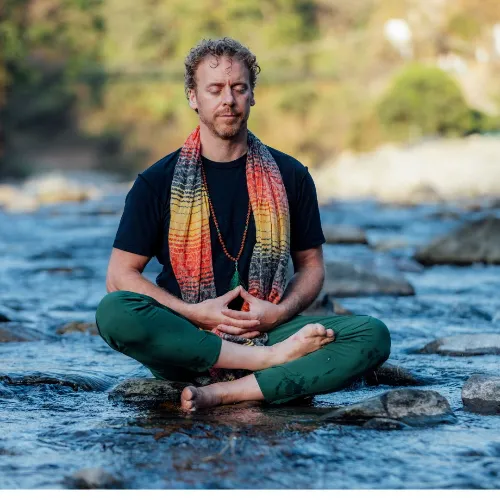
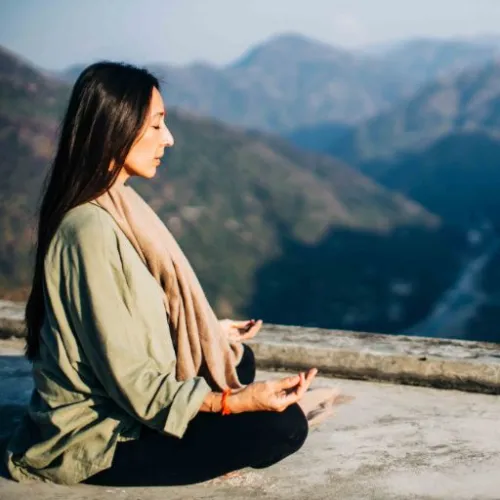
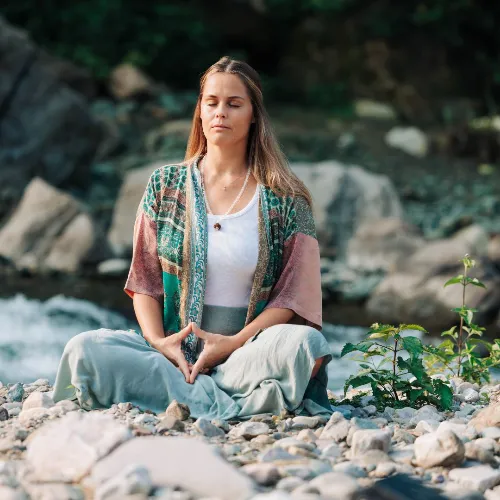
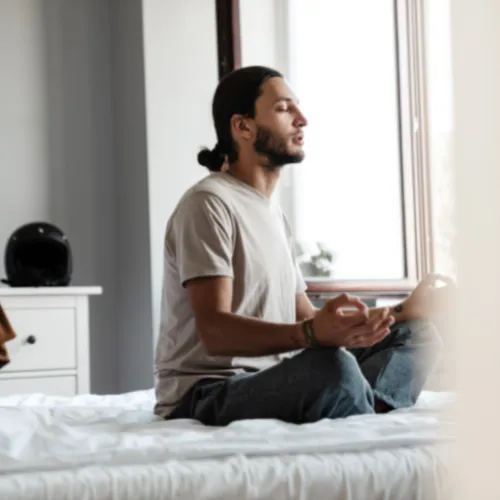
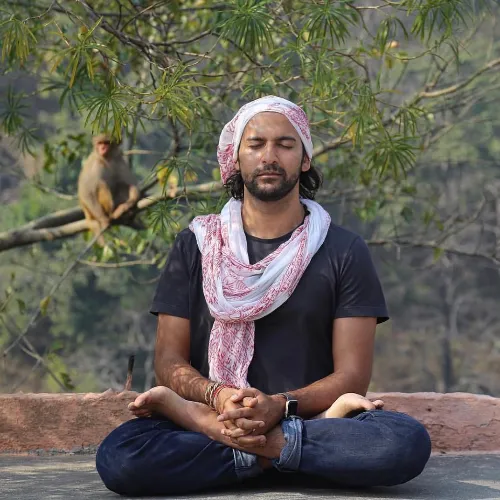
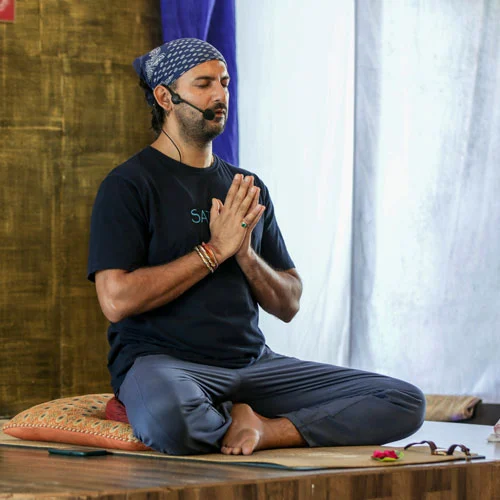
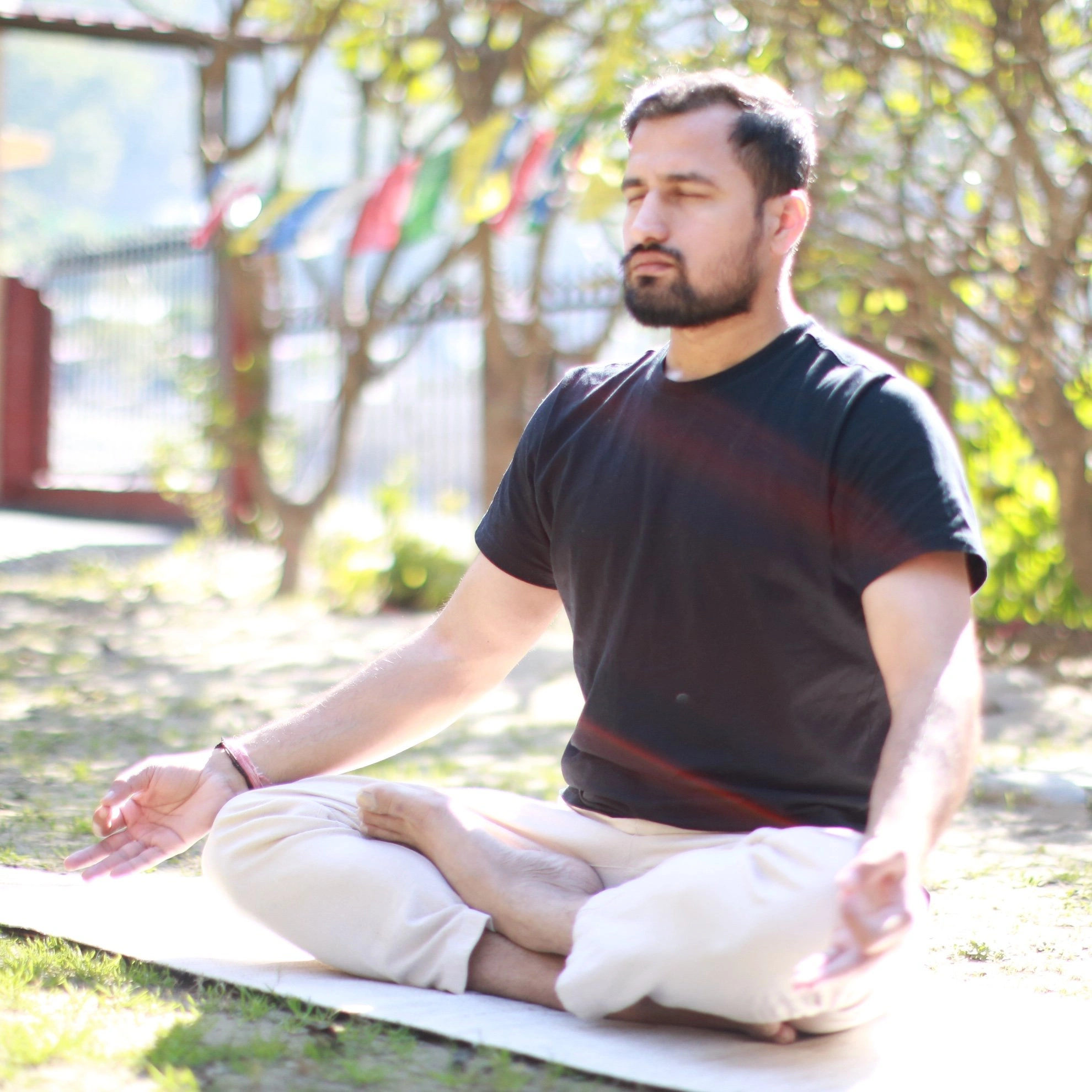
Meditation deepens self-awareness by offering a clear mirror to the mind. As you sit and observe, without judgment, you begin to recognize patterns: mental loops, emotional triggers, and areas of resistance.
This doesn’t mean the goal is to eliminate thoughts or emotions, but rather to create space around them—to respond instead of react. Practices like Vipassana or even a few quiet moments after asana can help you move from mental noise to mindful insight.
Ways to Deepen the Mind-Body Connection in Your Practice
While the mind-body connection is natural, it can become dulled by the pace and pressures of everyday life. Fortunately, yoga offers powerful tools to strengthen this inner awareness. In the section that follows, you’ll find practical, accessible ways to enhance the connection between body and mind through breath, movement, and focused intention.
1. Start with a Body Scan
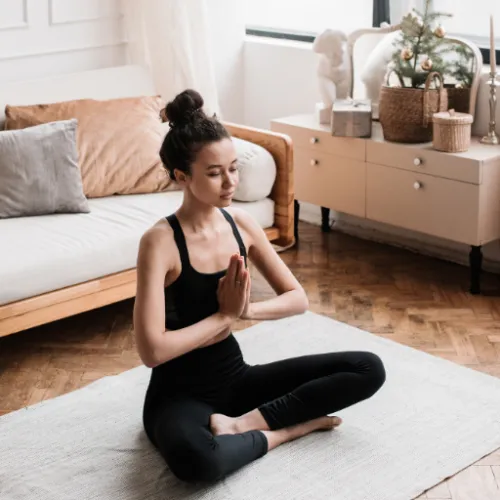
Begin your practice lying down or seated, and slowly move your awareness from head to toe. Notice areas of tightness or ease. This grounds you in your body before movement begins.
2. Focus on the Breath
Let your breath guide your practice. With each inhale, invite expansion; with each exhale, invite release. Syncing breath and movement keeps you anchored in the now.
3. Set an Intention
Let your practice be guided by an inner compass. Whether you’re cultivating strength, patience, or gratitude, an intention gives your practice meaning beyond the physical.
4. Close with Meditation or Reflection
After savasana, take a moment to sit and observe: How do you feel now? What shifted? What do you need next?
The Benefits of a Strong Mind-Body Connection
A strong mind-body connection allows us to live with more presence, self-awareness, and emotional balance. When we understand how our physical sensations and mental states influence one another, we’re able to navigate life with greater ease and compassion. Below, we explore some of the key benefits that arise when this connection is cultivated through yoga and mindfulness.
1. Reduces Stress & Anxiety
Tuning into your body helps release built-up tension and signals the nervous system to relax. You begin to carry more calm, both on and off the mat.
2. Improves Emotional Intelligence
Self-awareness helps you notice emotional patterns before they spiral. This creates space for more thoughtful, compassionate responses in daily life.
3. Fosters Greater Compassion
As you learn to meet your own body and mind with kindness, it becomes easier to extend that same grace to others.
4. Increases Mental Clarity
Mindfulness clears mental clutter, improves concentration, and strengthens your inner wisdom.
Returning to Wholeness
Yoga is more than poses—it is a practice of remembering that you are whole. Every inhale, every movement, every moment of stillness brings you back into relationship with yourself. The more attuned you become to your body’s signals and your mind’s rhythms, the more grounded and empowered you become in your life.
By strengthening the mind-body connection, yoga invites you to live not from fragmentation, but from wholeness—with clarity, compassion, and presence.
So next time you roll out your mat, let it be more than a workout. Let it be a homecoming.

















































Monday 26 Oct 2026 07:00:00 PM IST
Tuesday 13 Oct 2026 07:00:00 PM IST
Wednesday 14 Oct 2026 07:00:00 PM IST
Thursday 15 Oct 2026 07:00:00 PM IST

Monday 12 Oct 2026 06:00:00 AM IST
Sunday 11 Oct 2026 07:00:00 PM IST
Friday 09 Oct 2026 06:00:00 AM IST

Your purpose here is to evolve, to transform, to experience your radical aliveness, to awaken to your true nature. You are the path. The path is you. The time is now.