
Get the Sattva app for
App exclusive features
Including member-only experiences


by Sattva Connect
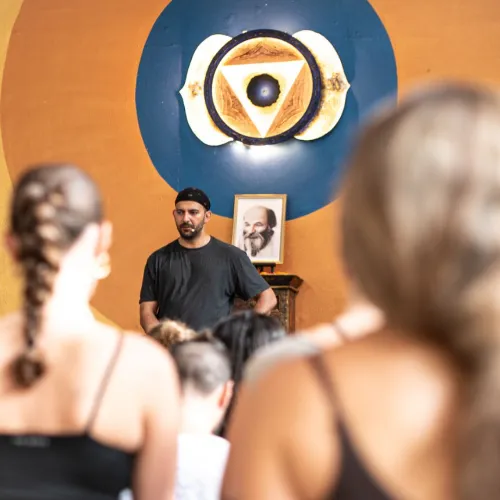
Leadership is often glamorized as a symbol of success, status, and influence, but beneath this surface lie very different motivations and mindsets. Not all leadership is conscious, and not all leaders are truly leading.
In reality, leadership manifests through three primary models: the Hungry Ghost, the Label-Based leader, and the Conscious (Awake) leader. Each reflects a unique internal state and relationship with power. Understanding these models can help us reflect on our own leadership tendencies and offer a path forward toward more conscious, impactful leadership.
1. The Hungry Ghost: Leadership Driven by Ego
The Hungry Ghost model represents a leader driven by insatiable desire. This is the individual who craves power, recognition, and control - not to serve others, but to fill an inner void.
This leadership arises from a deep sense of lack. The ego is restless, seeking validation through titles, influence, and dominance. The Hungry Ghost doesn’t lead from a place of service but from a need to feel superior. And because that hunger can never truly be satisfied, it often results in manipulation, overexertion, and emotional instability, both for the leader and those they lead.
This model may appear confident on the outside, but beneath the surface is anxiety, fear, and self-doubt. The higher they climb, the more disconnected they feel. In workplaces, communities, and politics, Hungry Ghost leaders often leave a trail of burnout, mistrust, and dysfunction in their wake.
2. The Label-Based Leader: Leadership by Default
The second model is leadership that arises by circumstance rather than conscious intent. These individuals don’t seek power from ego, but they also haven’t cultivated the inner awareness to truly lead.
They may hold a title or role, manager, director, mentor, but lack the clarity, vision, or training to guide others effectively. Their leadership is shaped more by external expectations than internal alignment. Decisions are reactive rather than visionary. There may be a desire to do well, but it’s often ungrounded and unclear.
This model is common in organizations where promotions are based on seniority, popularity, or convenience. While not inherently harmful, Label-Based leadership tends to result in stagnation, inefficiency, and a lack of real inspiration. Without conscious intention, the role becomes hollow, leadership in name only.
3. The Conscious Leader: Leadership as a Practice
At the heart of true leadership is the Conscious Leader: someone who leads not from ego or chance, but from deep self-awareness and genuine service.
The Conscious Leader is awake to their inner world and the needs of those around them. They lead from purpose, not position. From humility, not hierarchy. Their leadership arises not from a need to be seen, but from a willingness to serve.
These leaders are emotionally intelligent, open to feedback, and grounded in values. They don’t avoid their limitations - they embrace them as part of the path. Their focus is not on being “above” others, but on elevating everyone around them.
This model of leadership is not flashy, but it is deeply effective. It fosters trust, innovation, and long-term transformation. Because it’s built on inner alignment, it is sustainable and nourishing for both the leader and their community.
The Impact of Each Model
Each leadership model carries distinct consequences:
The world today is saturated with Hungry Ghost leadership, fueled by social media, competition, and the endless pursuit of more. But this model is ultimately unsatisfying. The power it seeks only deepens the inner emptiness.
By contrast, Conscious Leadership is quiet, intentional, and powerful in its presence. It’s rooted in clarity, connection, and compassion.
Leadership Beyond Ego
True leadership isn’t about being in charge. It’s about being in alignment.
The Hungry Ghost seeks power to fill a void. The Label-Based leader wears a title without depth. But the Conscious Leader leads from awareness, purpose, and integrity.
To lead consciously, we must first lead ourselves—with presence, reflection, and courage. We must let go of outdated ideas of leadership as dominance and embrace leadership as practice - a living expression of empathy, wisdom, and responsibility.
We don’t need more leaders who want to be in charge. We need more leaders who want to be of service.
If we each begin by waking up to our motivations—by asking not “How can I get ahead?” but “How can I serve?” we begin to shift the entire paradigm of leadership.
And in that shift, we find something far more powerful than authority: we find purpose.



























































































Not Scheduled Yet IST

Tuesday 27 Oct 2026 07:00:00 PM IST

Wednesday 28 Oct 2026 07:00:00 PM IST

Thursday 29 Oct 2026 07:00:00 PM IST

Not Scheduled Yet IST
Friday 30 Oct 2026 06:00:00 AM IST

Your purpose here is to evolve, to transform, to experience your radical aliveness, to awaken to your true nature. You are the path. The path is you. The time is now.