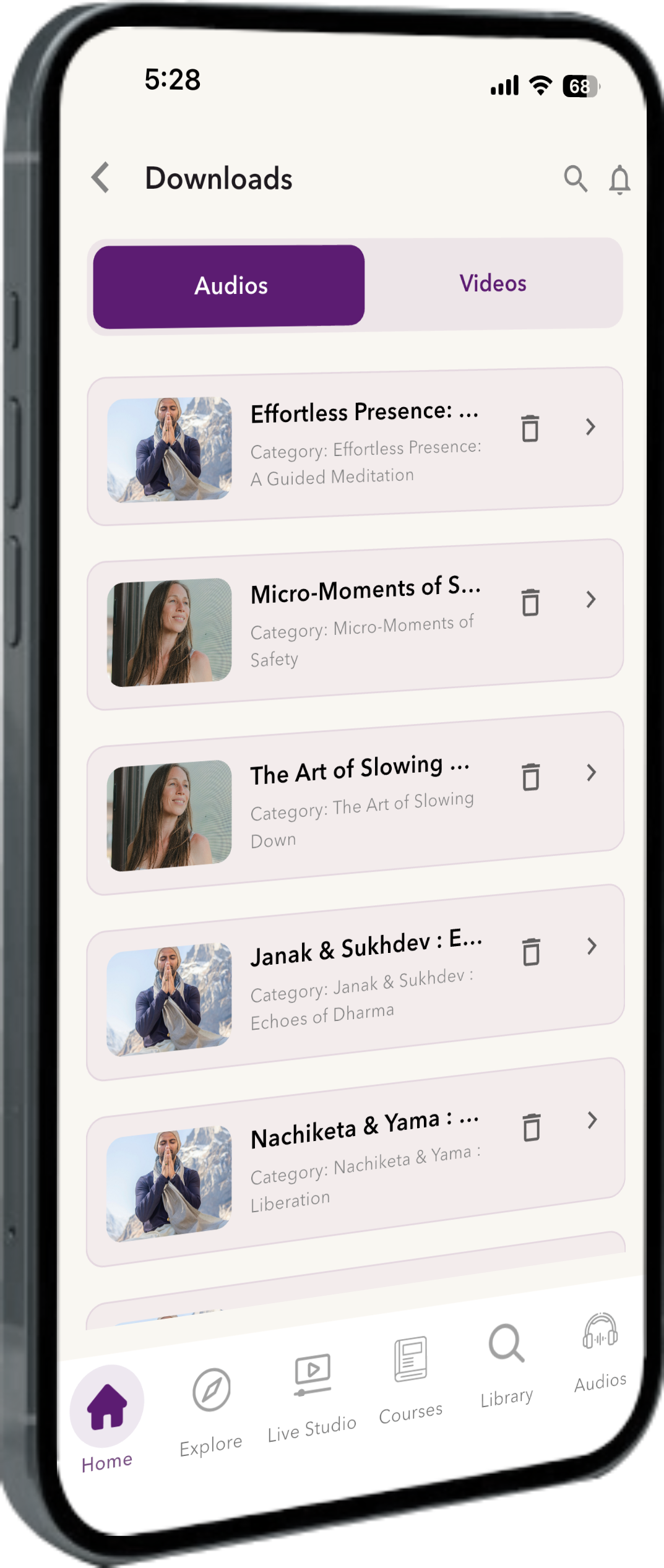
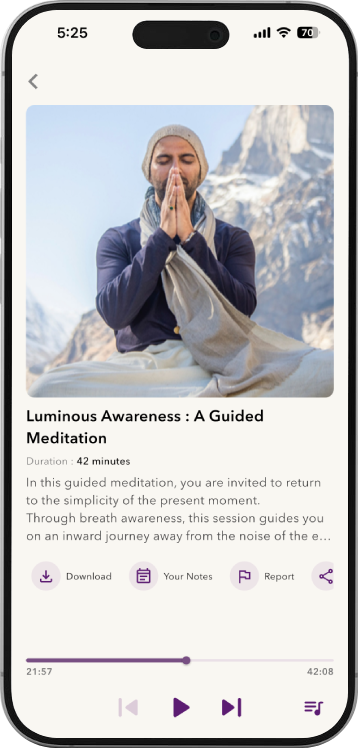
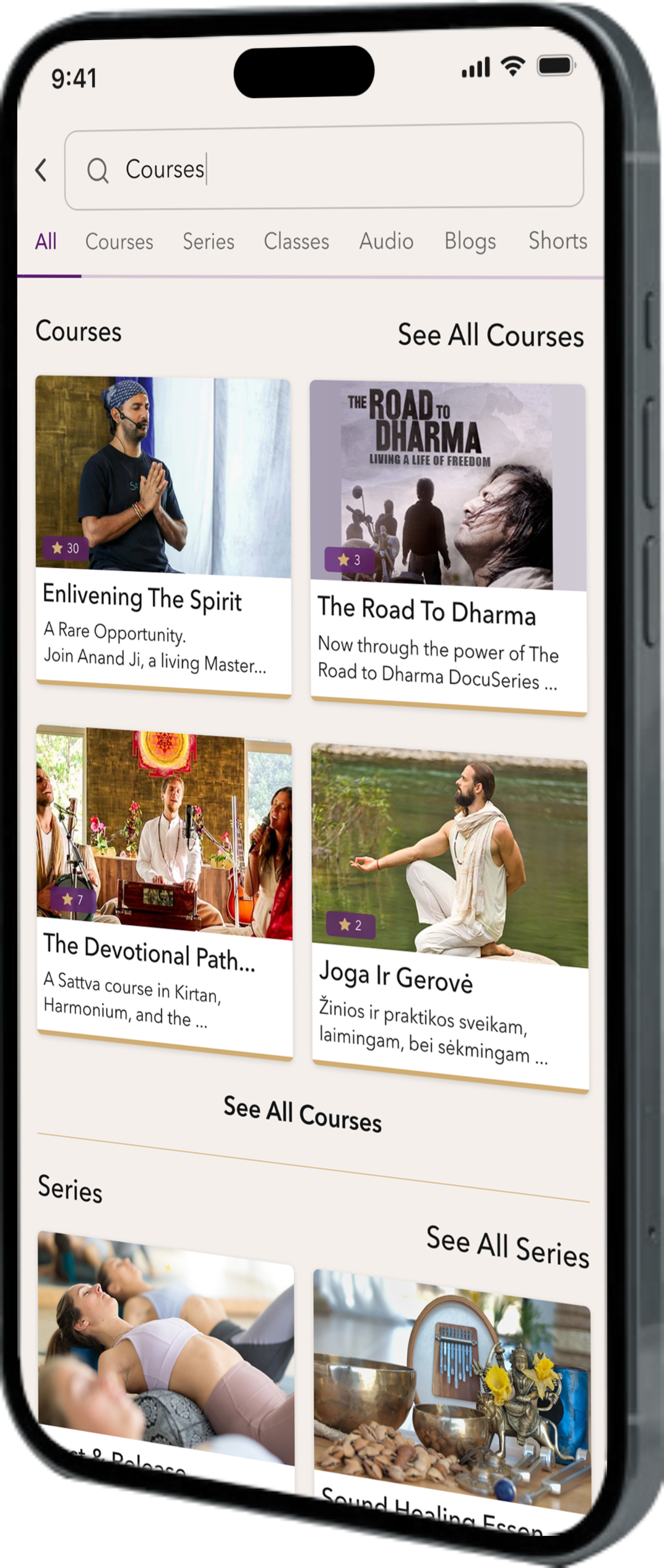

Get the Sattva app for
App exclusive features
Including member-only experiences


by Sattva Connect
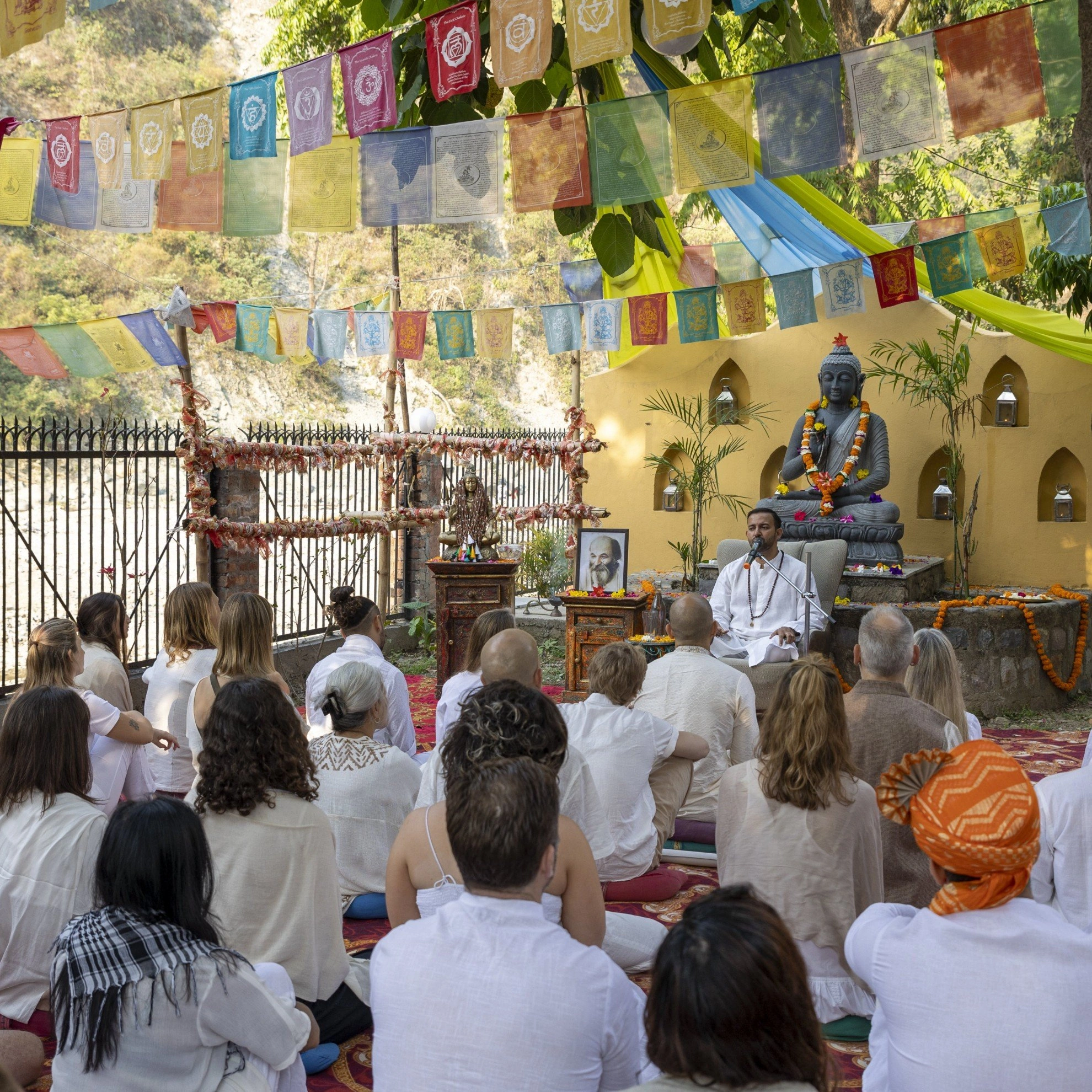
Rishikesh occupies a distinctive place in the global story of yoga.
Set at the Himalayan foothills in northern India, the city has become known internationally for its ashrams, yoga schools, meditation centres and traditions of spiritual and philosophical study. Practitioners from India and around the world have travelled there for decades to learn, practise and spend time in environments where yoga extends well beyond the physical postures commonly seen in modern studios.
Today, being physically present in Rishikesh is no longer the only way to learn from teachers and traditions connected with the region.
Online yoga makes it possible to access asana, pranayama, meditation, philosophy and deeper study from almost anywhere.
But that raises an important question:
What does it really mean to learn yoga from Rishikesh online?
The answer is not simply that the teacher happens to be located in India.
The value comes from the depth, context and approach behind the teaching.
Rishikesh is widely known as one of the world's major centres for yoga and meditation.
Its landscape is part of its identity: the city sits beside the Ganga at the foothills of the Himalayas and has long been home to ashrams, teachers, practitioners and institutions dedicated to yoga, meditation and philosophical study.
Over time, that concentration of practice has also made Rishikesh an international meeting point.
Students from around the world travel there not only to attend yoga classes, but to study pranayama, meditation, philosophy, traditional texts and different approaches to yogic practice.
This is why the city's influence extends beyond geography.
Rishikesh represents an environment in which yoga is often understood as a wider discipline rather than only a form of physical exercise.
“Authentic yoga” is a phrase used frequently in wellness marketing.
It deserves a clearer definition.
Authenticity does not mean that every practice must look old, religious or inaccessible.
Nor does it mean that yoga cannot evolve or be taught through technology.
A more meaningful measure is whether the practice retains appropriate context and depth.
That may mean understanding that:
Authenticity is therefore less about appearance and more about integrity.
A practice can be contemporary, accessible and taught online while still respecting its Indian roots.
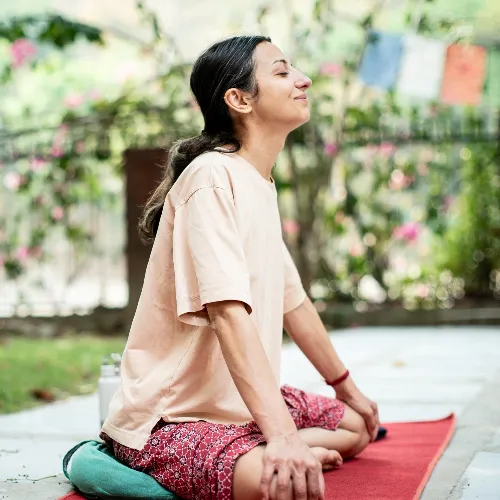
A Rishikesh-rooted approach can introduce practitioners to several interconnected dimensions of yoga.
Yoga from Rishikesh should not automatically be imagined as slow or purely contemplative.
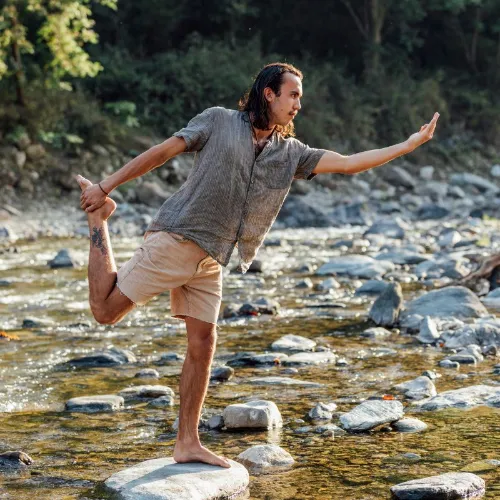
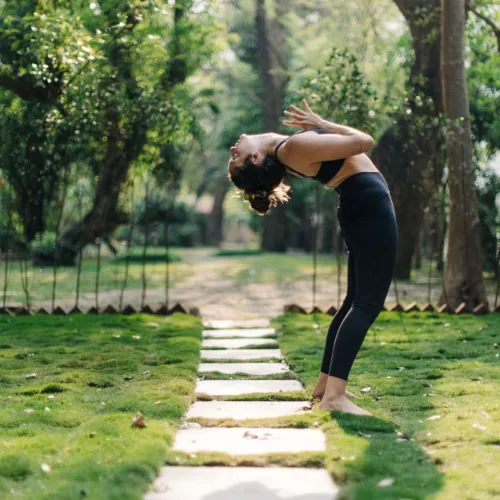
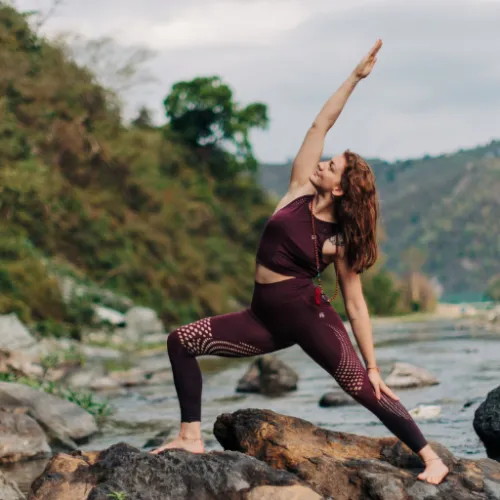
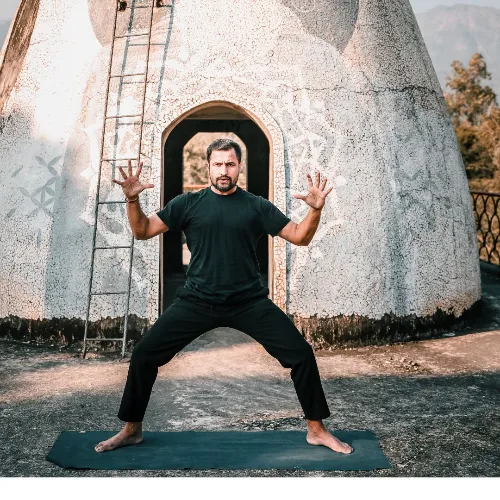
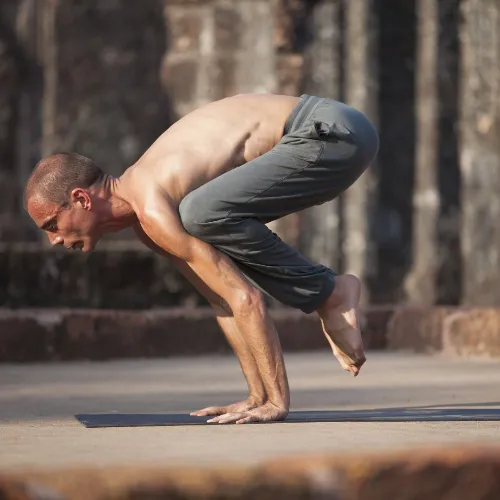
The physical practice may include strong Hatha, flowing Vinyasa, balances, holds, mobility, transitions and demanding sequences.
A quality asana practice can develop:
What distinguishes yoga from a conventional exercise class is not the absence of physical intensity.
It is the attention brought to movement, breath and awareness.
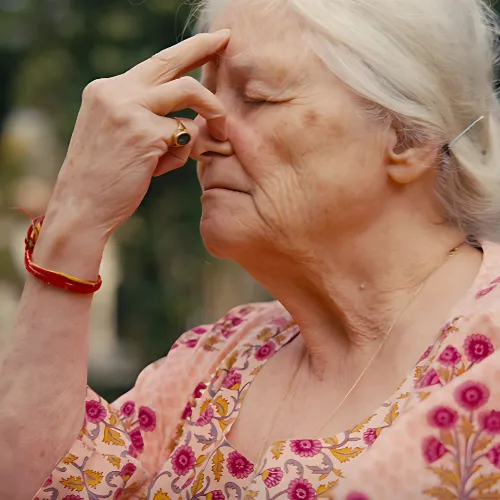
Pranayama is a traditional area of yogic practice involving conscious work with the breath.
It includes different techniques with different purposes, levels of complexity and requirements for preparation.
In a well-structured learning environment, students are introduced to breath practices progressively rather than receiving advanced techniques as isolated exercises.
Understanding context matters.
Pranayama should not be reduced simply to “breath hacks” or used only as shorthand for stress relief.
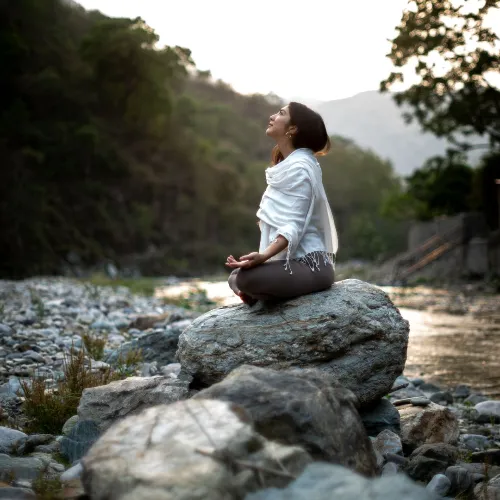
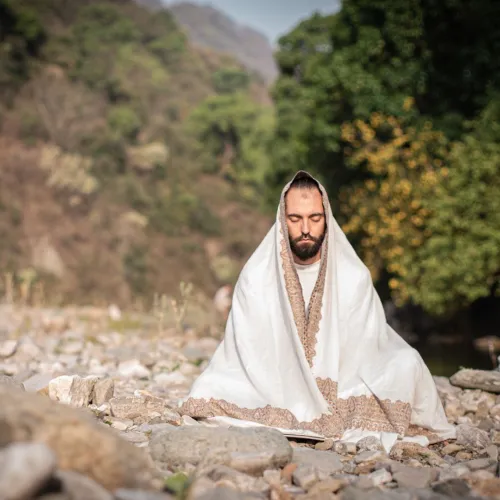
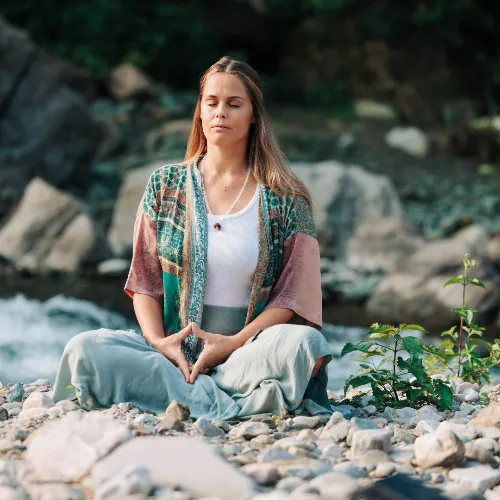
Meditation is another important dimension of yoga.
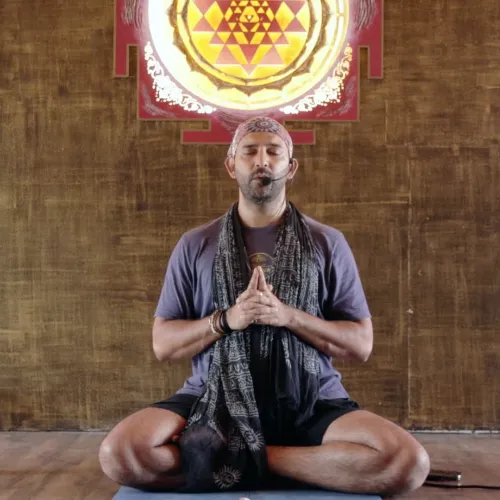
Practices may involve concentration, observation, breath awareness, mantra, stillness or other methods depending on the tradition and teacher.
For beginners, meditation can begin simply.
There is no requirement to achieve a completely quiet mind.
The practice develops through attention and repetition.
Kriya can refer to specific yogic methods or structured practices depending on the tradition in which the term is being used.
Because the word carries different meanings across yoga traditions, responsible teaching should explain the context clearly rather than presenting kriya as a mysterious or universal technique.
Yoga philosophy helps place the physical and contemplative practices within a wider framework.
It may introduce practitioners to traditional texts, ethical questions, concepts of awareness and different understandings of yoga beyond posture.
For international students, good teaching should explain unfamiliar Sanskrit terminology rather than assuming prior knowledge.
The goal is not to make yoga more obscure.
It is to make its context more understandable.
Yes—but online learning and being physically present in Rishikesh are not identical experiences.
Digital teaching can provide access to:
For many people, this access is significant.
Travelling to India for several weeks or months may not be practical because of work, family, finances, health or other responsibilities.
Online learning removes that barrier.
It also makes continuity easier.
Rather than experiencing yoga only during a retreat or short visit, practitioners can integrate it into ordinary life.
That may ultimately be one of online practice's greatest strengths.
Online learning can bring teaching across borders.
It cannot reproduce every aspect of being in Rishikesh.
Practising beside the Ganga, spending time in an ashram, learning within a residential environment and experiencing the rhythms of the city are different from practising in your living room.
That difference should be acknowledged rather than hidden.
At the same time, physical distance does not automatically make teaching superficial.
A well-designed online environment can preserve important elements of serious study:
The question is not whether online yoga perfectly recreates Rishikesh.
It cannot.
The question is whether it can meaningfully connect practitioners with teaching shaped by that environment.
The appeal is not limited to advanced practitioners.
Beginners can learn foundational yoga while also understanding from the beginning that yoga extends beyond flexibility.
Someone with an established physical practice may want greater depth in pranayama, meditation, philosophy or more advanced asana.
People who begin through meditation may use yoga to explore movement, breath and the wider context of contemplative practice.
Existing teachers may want to continue studying areas such as philosophy, pranayama, kriya or asana methodology.
Some students simply want to understand yoga closer to its cultural and philosophical roots rather than encountering it only as a modern fitness format.
The word “Rishikesh” alone is not a guarantee of quality.
Before choosing a platform, look at what is actually being taught.
Review the teachers' backgrounds, areas of study and practical teaching experience.
Does the platform teach only physical yoga?
Or can students also explore meditation, pranayama and philosophy?
Holistic yoga should not mean weak physical practice.
If physical development matters to you, look for enough depth in Hatha, Vinyasa, mobility, strength and more challenging asana.
Advanced techniques should not appear without context.
Look for pathways that help students build foundations.
Traditional terminology should be explained clearly for an international audience without stripping away its Indian origins.
On-demand learning creates flexibility.
Live teaching can create rhythm, interaction and a stronger sense of practising with others.
A combination of the two can support consistency across different schedules and time zones.
Himalayan Practices was born in Rishikesh, India, and is designed to make practices rooted in that environment accessible to an international community.
The platform brings together different dimensions of practice, including:
This allows practitioners to begin in different places.
Someone may first arrive looking for a strong physical class.
Another person may begin with meditation.
A beginner may want clear foundations.
An experienced practitioner may want to understand pranayama or philosophy more deeply.
What connects these pathways is not the expectation that every person practise in exactly the same way.
It is the idea that yoga can become broader and deeper as the practitioner develops.
Rishikesh has become internationally recognised as a major centre for yoga and meditation, with numerous ashrams, yoga schools and institutions dedicated to practice, philosophical study and Indian wellness traditions.
Yes. Online teaching allows practitioners to study with teachers and platforms connected with Rishikesh through live classes, recorded practices and structured courses.
No. Beginners can start with foundational yoga, while experienced practitioners can explore stronger asana, pranayama, meditation, philosophy and deeper study.
Look beyond claims of authenticity. Consider teacher experience, quality of instruction, progression, breadth of practice, respect for yoga's Indian roots and whether traditional concepts are explained clearly.
Online practice provides greater accessibility and continuity, while travelling to Rishikesh offers immersion in the physical and cultural environment of the city. They are different experiences and can complement one another.
Rishikesh matters because yoga there has historically been surrounded by a wider culture of practice, study and contemplation.
Learning online cannot reproduce every dimension of that environment.
But it can carry something important across distance: access to teachers, practices and perspectives shaped by a place where yoga continues to be studied as more than physical exercise.
For practitioners who want strong asana alongside meditation, pranayama, philosophy and deeper study, learning through a Rishikesh-rooted platform can provide a meaningful connection between traditional practice and contemporary life.
Himalayan Practices brings that foundation online—not by trying to recreate Rishikesh on a screen, but by allowing the depth of its practice to remain accessible wherever you are.





























































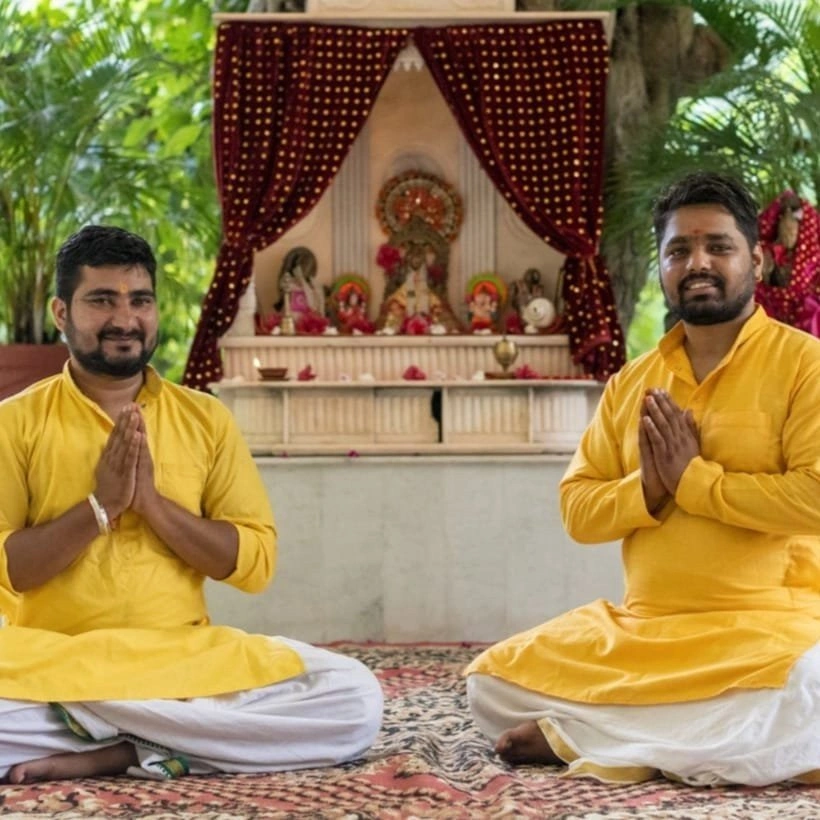
Monday 26 Oct 2026 07:00:00 PM IST
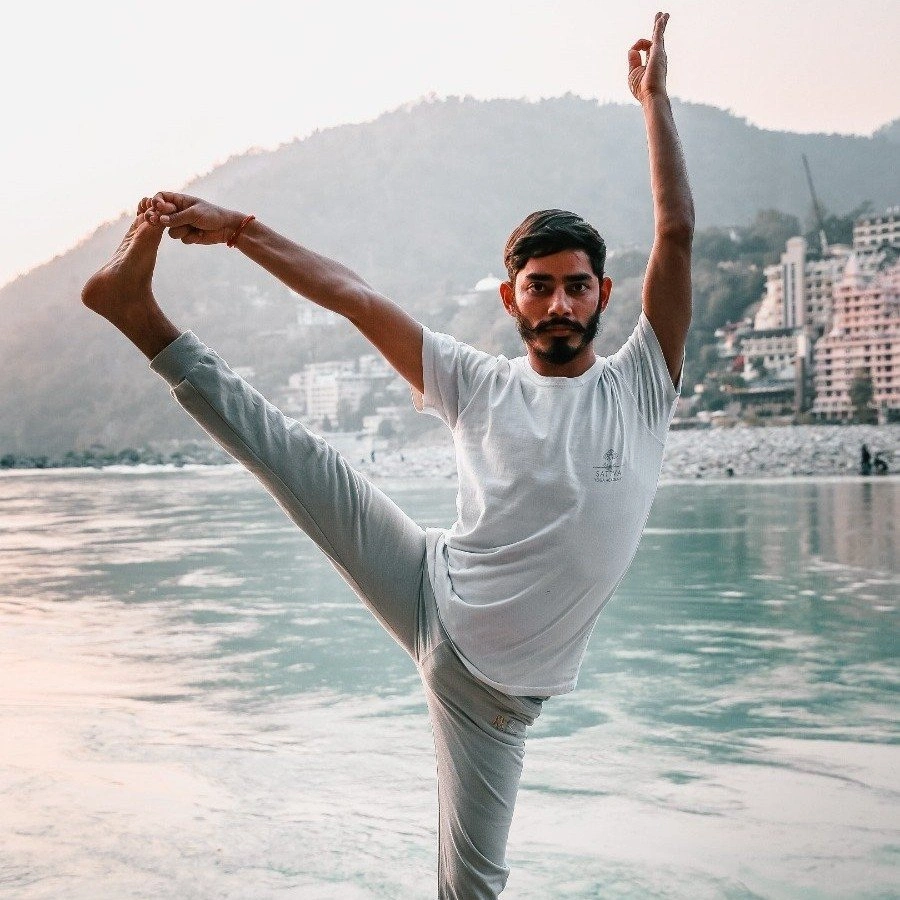
Tuesday 27 Oct 2026 07:00:00 PM IST
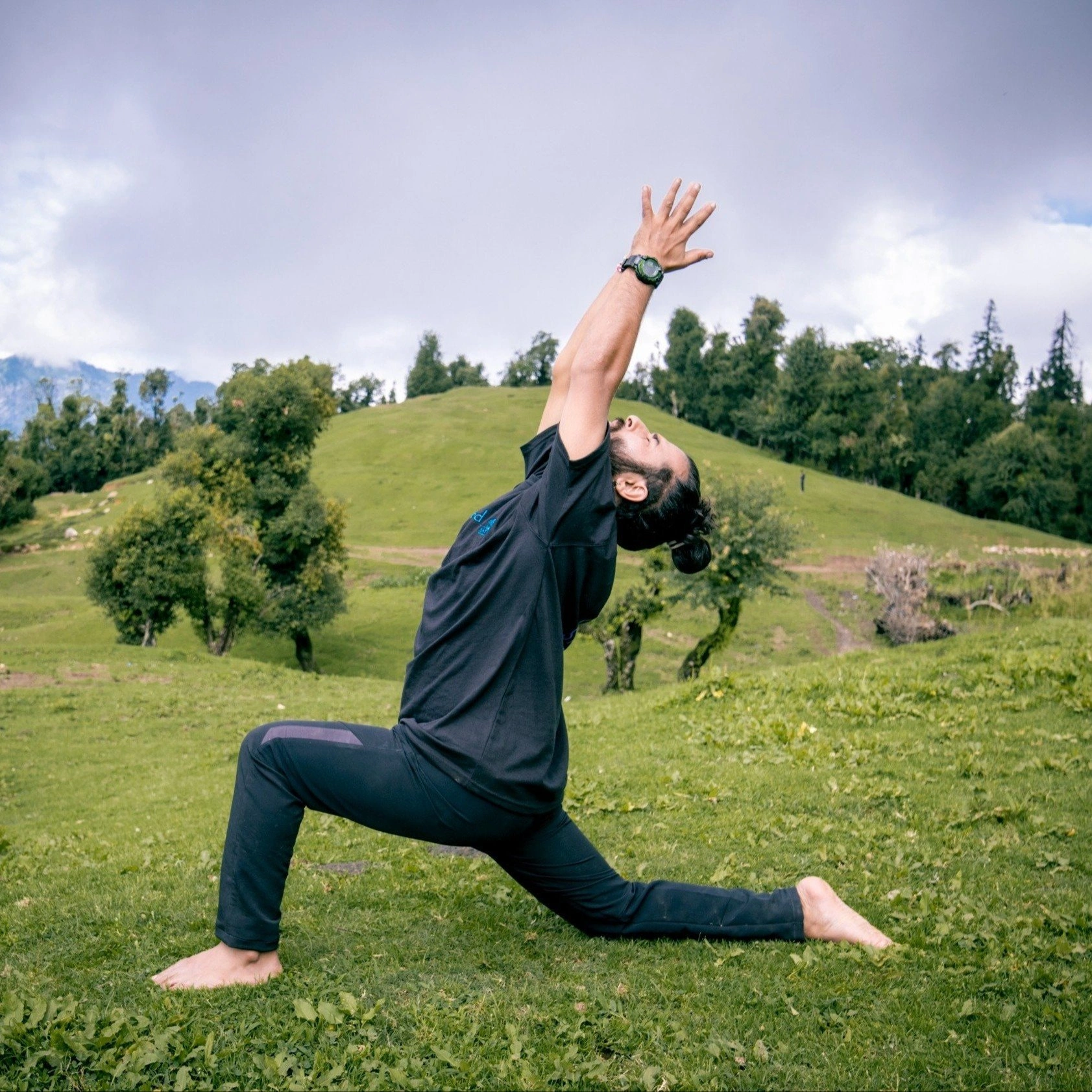
Wednesday 28 Oct 2026 07:00:00 PM IST
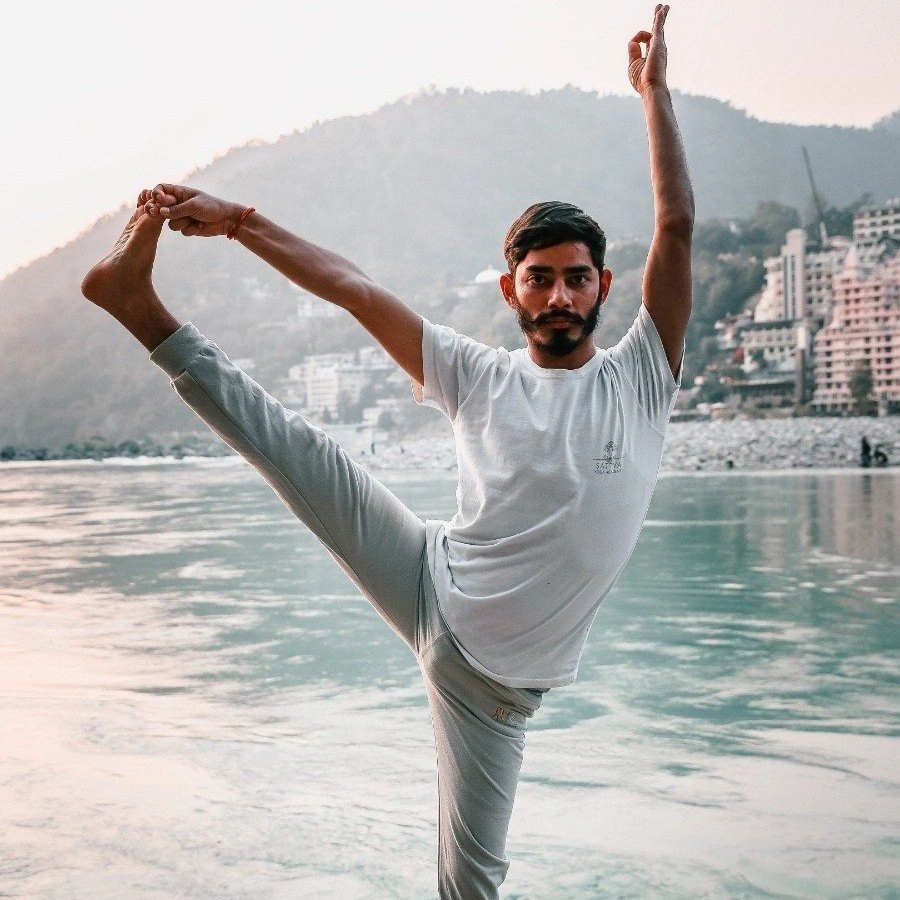
Thursday 29 Oct 2026 07:00:00 PM IST
Monday 26 Oct 2026 06:00:00 AM IST
Friday 30 Oct 2026 06:00:00 AM IST

Your purpose here is to evolve, to transform, to experience your radical aliveness, to awaken to your true nature. You are the path. The path is you. The time is now.