
Get the Sattva app for
App exclusive features
Including member-only experiences

by Sattva Connect
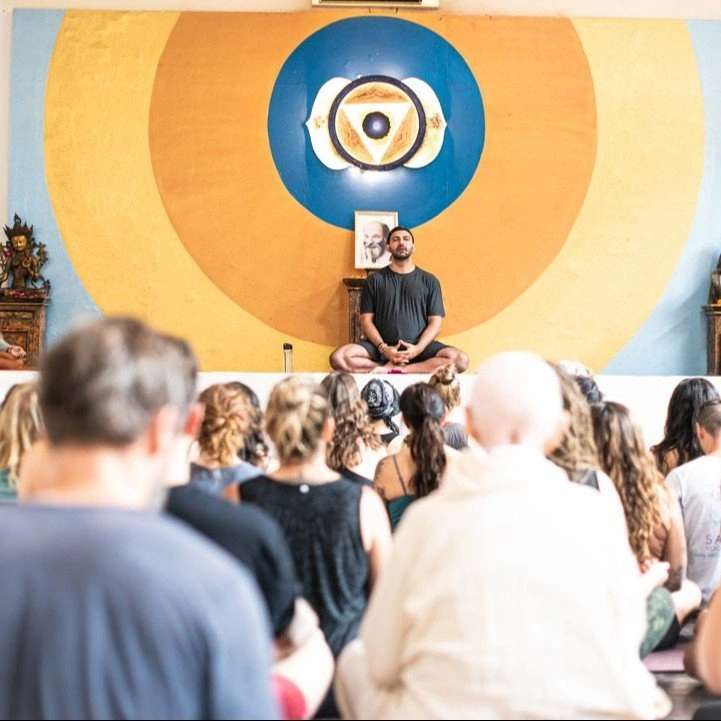
Searching for the best yoga program can quickly become confusing.
One platform offers hundreds of short classes. Another promises a complete transformation. Some focus heavily on fitness, while others centre meditation, breathwork or philosophy.
The truth is simpler:
There is no single yoga program that is best for everyone.
The right program depends on what you want to practise, how much guidance you need, your current level, and whether you are looking for physical challenge, structured learning, meditation, deeper study—or a combination of these.
A good yoga program should not simply give you more content.
It should help you practise with greater consistency, understanding and direction.
Probably not.
A complete beginner looking for foundational instruction needs something very different from an experienced practitioner seeking demanding asana.
Someone primarily interested in meditation may value a different teaching style from someone who wants to develop strength and mobility.
The more useful question is:
What makes a yoga program right for you?
A strong program should match three things:
Once those are clear, comparing options becomes much easier.
Before looking at platforms, start with your own intention.
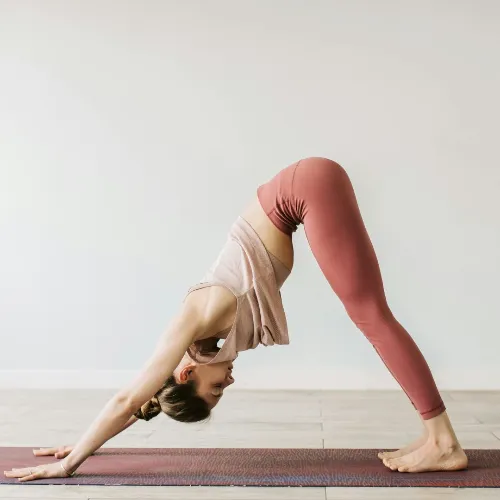
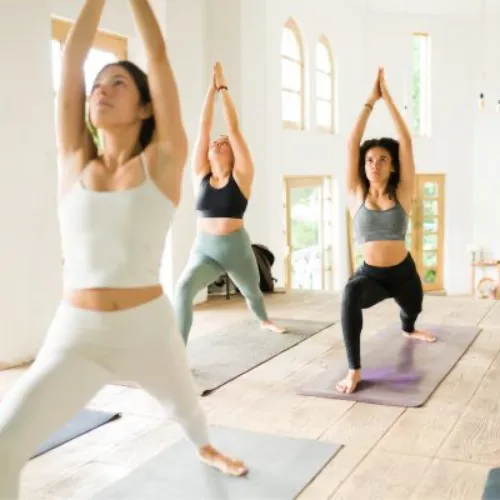
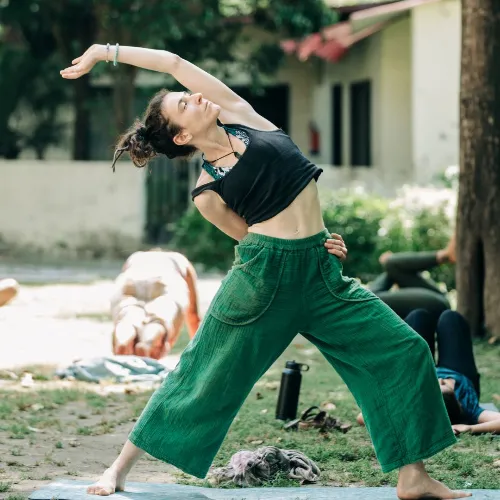
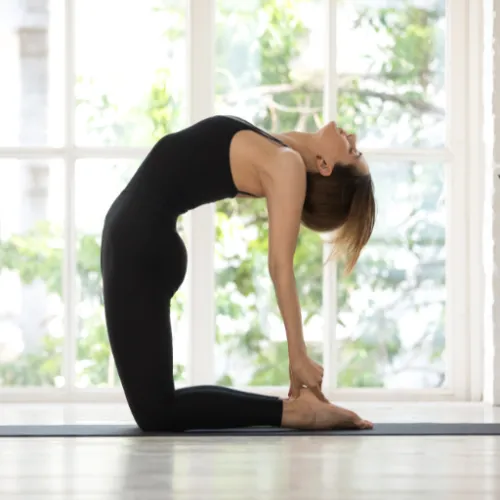
If you want yoga to be a significant part of your physical training, look beyond vague promises of “fitness.”
Examine the actual asana offering.
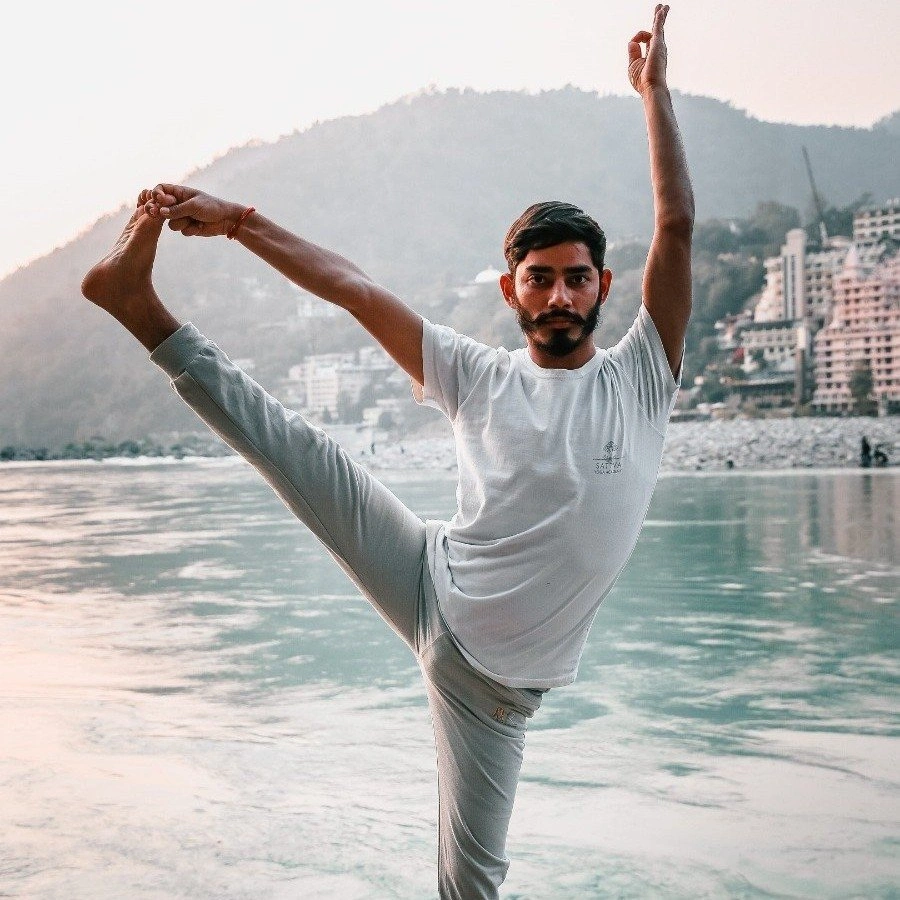
A strong physical yoga program may include:
Yoga can be physically demanding while still retaining attention to breath, awareness and quality of movement.
If this is important to you, make sure the platform offers enough depth to progress rather than only introductory or gentle classes.
If moving more comfortably is a priority, look for intelligent progression rather than programs that encourage people to force themselves into extreme ranges of motion.
Good teaching should acknowledge that mobility, flexibility, stability and strength work together.
For some practitioners, physical yoga is only one part of the experience.
If you want to explore meditation, breath awareness or pranayama, examine whether these are meaningful parts of the platform or simply a few additional videos added to a fitness library.
Pranayama, in particular, should be taught progressively and with appropriate guidance.
Beginners need clarity more than variety.
A library containing thousands of classes can actually make starting harder if there is no obvious pathway.
Look for beginner programs that introduce:
Some practitioners eventually want more context.
That may include:
If this interests you, choose a platform that allows the practice to deepen rather than ending at physical classes.
The quality of the teacher matters more than the size of the video library.
Consider:
A teacher does not need to perform the most advanced posture in the room to teach well.
Good teaching is about communication, observation and judgment.
A good yoga program should help you understand where to start and what comes next.
Look for labels such as:
Better still, look for structured pathways that help practitioners progress rather than leaving them to choose randomly every day.
If physical practice matters to you, look carefully at the actual class offering.
Does the platform offer enough variation in:
A program can be holistic without making the physical practice secondary.
Strong asana and meditation can exist within the same platform.
Both formats have advantages.
On-demand practice offers flexibility.
Live practice introduces a schedule and a greater sense of connection.
Some people thrive with complete freedom. Others practise more consistently when a live class gives the week some structure.
The best format is the one you will actually use.
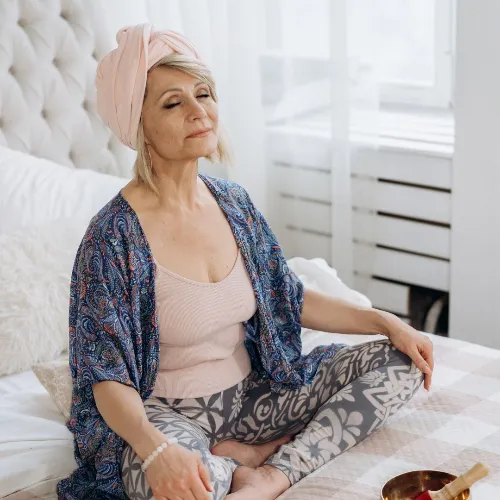
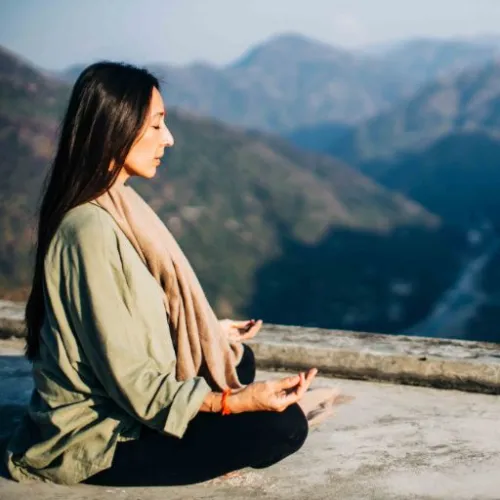
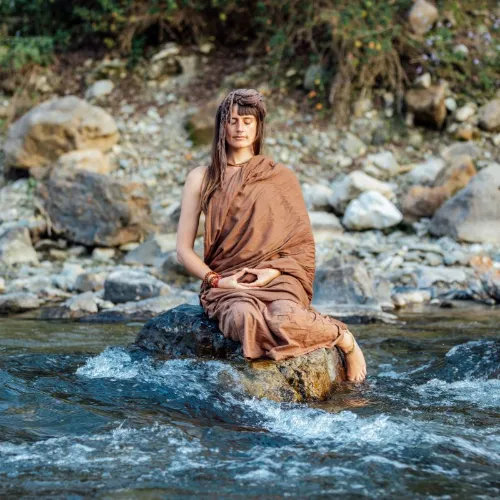
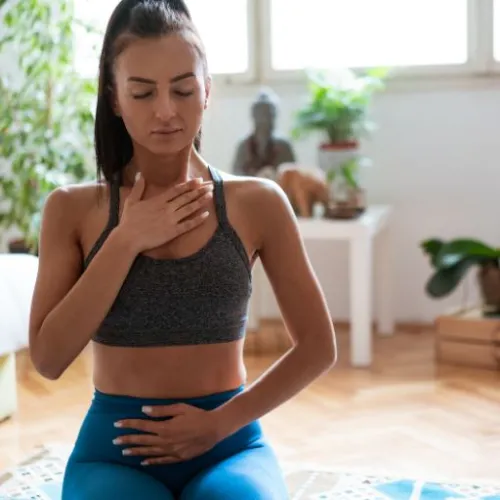
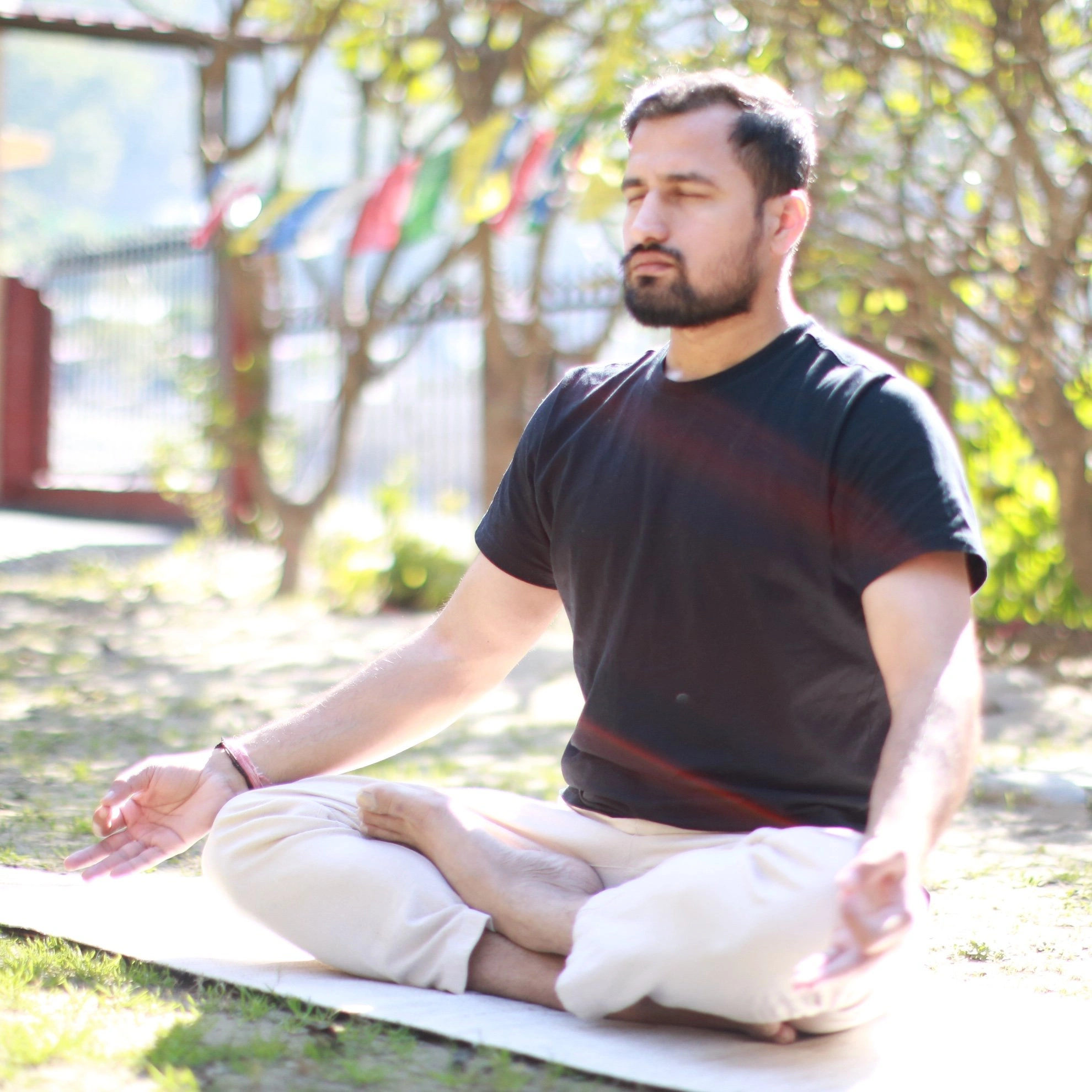
If you want yoga to extend beyond physical posture, look for genuine access to meditation and breath practices.
These should not simply be marketed as quick stress-relief tools.
Meditation develops attention and observation.
Pranayama introduces traditional approaches to conscious work with the breath.
Both can become meaningful practices in their own right.
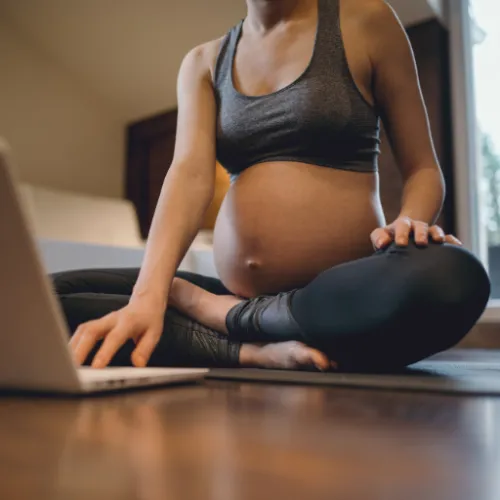
A strong program does not assume every practitioner has the same body, mobility or experience.
Look for teachers who offer:
Accessibility is not the same as making every class easy.
It means providing intelligent ways for different practitioners to participate.
Consider what happens if you stay for six months or a year.
Is there more to explore?
A platform with long-term depth may include:
This matters if you are looking for a place where your practice can develop rather than simply a subscription you eventually outgrow.
Even an excellent program is not useful if it does not fit your life.
Consider:
Consistency usually matters more than choosing the most ambitious program available.
These terms are often used interchangeably, but there are useful differences.
Classes are usually individual practice sessions.
They are useful for maintaining an ongoing routine and choosing what suits you on a particular day.
Courses usually follow a structured sequence around a topic or skill.
They may focus on beginner foundations, pranayama, philosophy, meditation or a particular style of asana.
A program can be broader.
It may bring together classes, courses, live teaching and different areas of practice within one learning environment.
For someone looking for long-term variety and progression, this can be particularly useful.
Teacher training is a separate form of education.
It is designed for people preparing to teach or study yoga at a deeper professional level and typically includes teaching methodology, anatomy, practicum and assessment.
Do not assume a general yoga program provides a teaching qualification.
For beginners, simplicity matters.
You do not need access to the most advanced classes immediately.
Look for:
A beginner program should make you feel oriented rather than overwhelmed.
Experienced practitioners often need a different kind of depth.
You may want:
At this stage, the question is less about whether the platform has yoga and more about whether it has enough depth to continue challenging and educating you.
If your goal is to become a yoga teacher, a general program may not be enough.
Teacher training is designed around a different outcome.
A serious programme may cover:
If teaching is your goal, explore dedicated teacher education and verify exactly what qualification or credential the programme provides.
Himalayan Practices was born in Rishikesh, India, and brings different dimensions of yoga into one online environment designed for a global community.
The approach includes areas such as:
This allows practitioners to enter through different doors.
Someone may begin because they want stronger physical practice.
Another person may arrive through meditation.
A beginner may want a clear foundation.
An experienced practitioner may be looking for greater depth.
The aim is not to force everyone through the same pathway, but to create a practice environment broad enough to develop with the practitioner.
Before subscribing or enrolling, ask:
What do I actually want from yoga right now?
Physical challenge? Meditation? Beginner guidance? Deeper study?
Does the platform clearly serve my level?
More content does not always mean better guidance.
Who teaches the classes?
Look at experience and teaching quality.
Is there enough physical depth for me?
This matters if asana is a major reason you practise.
Can I explore meditation and pranayama if I want to?
Consider what you may want six months from now, not only today.
Does the schedule work with my actual life?
A platform should make consistency easier.
Will I know where to start?
A clear learning pathway is often more valuable than an enormous library.
A strong yoga program combines experienced teaching, clear levels, appropriate progression, quality practice and a format you can use consistently. The right features depend on your individual goals.
Beginners should look for structured foundational teaching, clear instructions, modifications, manageable class lengths and gradual progression rather than advanced classes or an overwhelming content library.
Not necessarily for every practitioner, but meditation can add considerable depth for people interested in yoga beyond physical movement. If this matters to you, choose a program where meditation is taught seriously rather than added as an afterthought.
Many asana styles include weight-bearing postures, holds, balances and transitions that can contribute to strength, stability and mobility. Look for a program with appropriately challenging physical classes if this is one of your goals.
Yes, provided the platform offers sufficient depth. Experienced practitioners should look for advanced or stronger asana, specialist teachers, pranayama, meditation, philosophy and structured deeper study.
Choosing a yoga program is not about finding the platform with the loudest claims or the largest library.
It is about finding a place where you can practise consistently, learn from teachers you trust and continue developing as your interests change.
For some people, that means strong asana.
For others, it means meditation, pranayama or philosophy.
For many, it eventually becomes a combination.
Himalayan Practices brings these different dimensions together through an online practice environment rooted in Rishikesh and created for practitioners around the world.
The best yoga program is ultimately not the one that promises everything.
It is the one that gives you a meaningful reason to keep returning to practice.


































Tuesday 06 Oct 2026 07:00:00 PM IST
Wednesday 07 Oct 2026 07:00:00 AM IST
Thursday 08 Oct 2026 07:00:00 PM IST
Friday 02 Oct 2026 06:00:00 AM IST
Sunday 11 Oct 2026 07:00:00 PM IST
Friday 09 Oct 2026 06:00:00 AM IST

Your purpose here is to evolve, to transform, to experience your radical aliveness, to awaken to your true nature. You are the path. The path is you. The time is now.