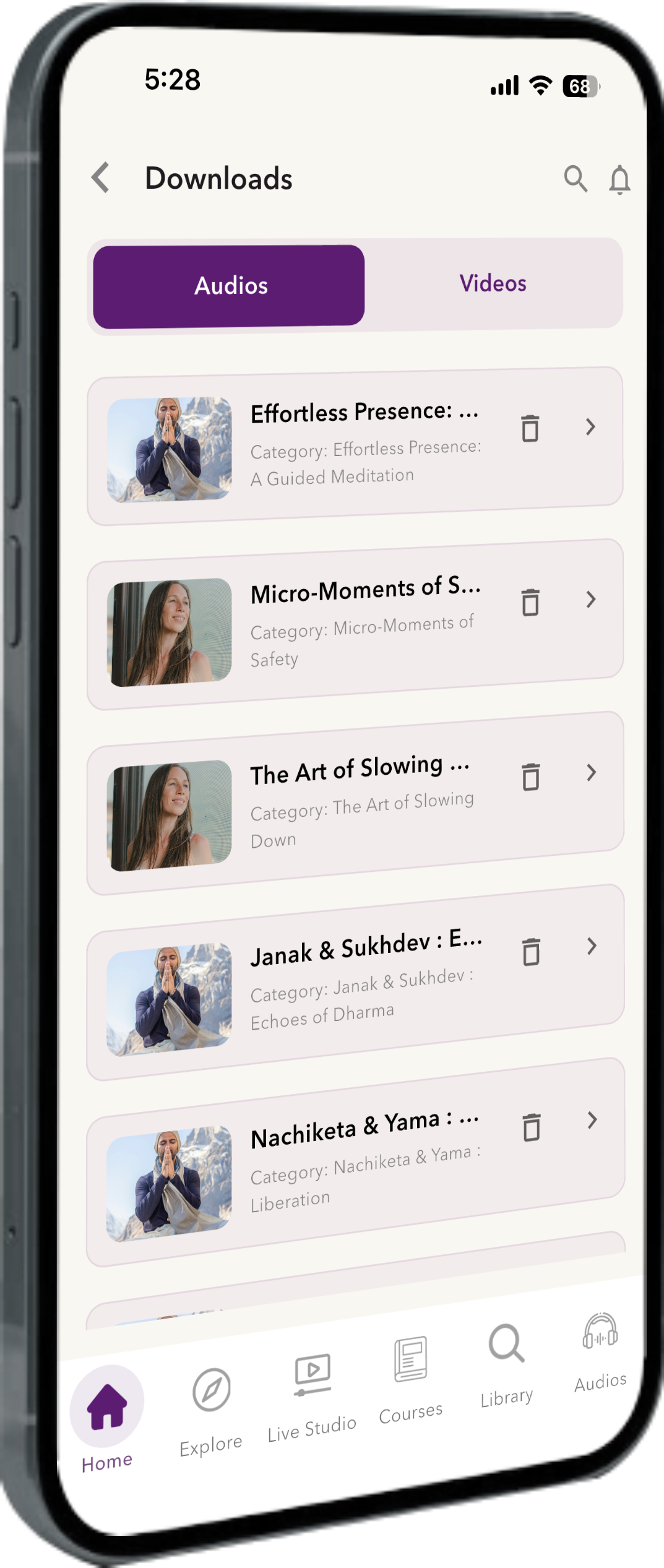


Get the Sattva app for
App exclusive features
Including member-only experiences

by Sattva Connect
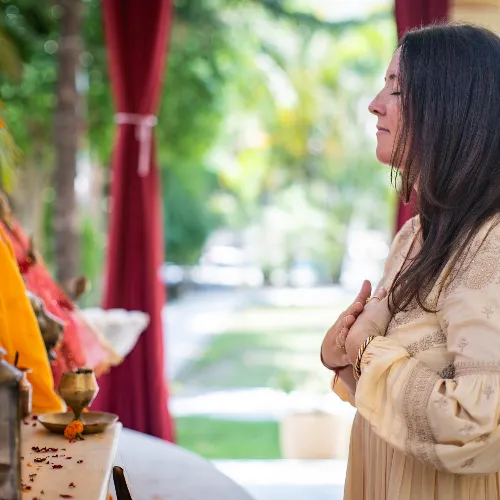
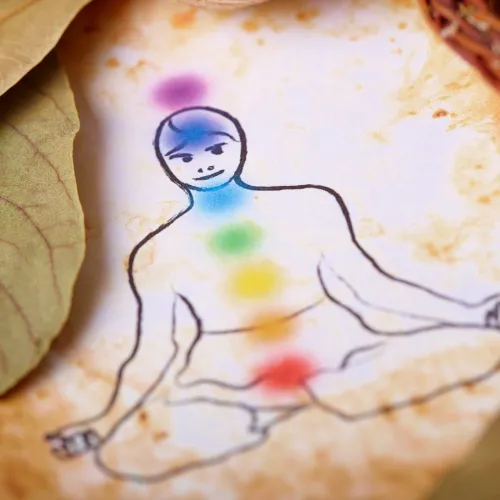
Emotions are not just fleeting mental states — they live in the body. They shape our breath, influence our posture, and settle deep into the muscles and tissues of our physical form. Grief, fear, anger, shame — these energies don’t disappear when the moment passes. They embed themselves quietly, unconsciously, and over time, they can impact how we move through life.
Yoga offers a profoundly healing path — one that goes beyond the surface to help us access, release, and transform emotional patterns stored in the body. Through mindful movement, conscious breath, and compassionate awareness, yoga creates space for emotional freedom, self-compassion, and genuine peace.
The Body Remembers: Emotion as Energy in Motion
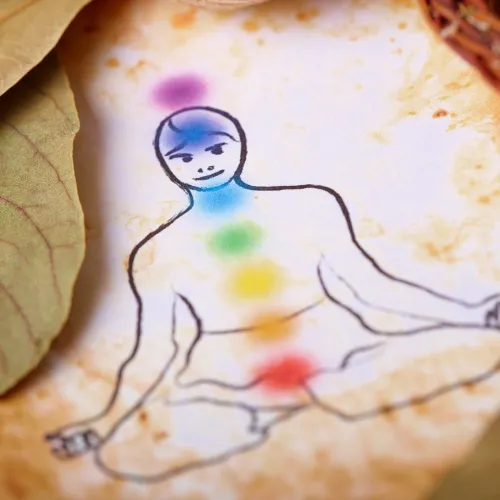
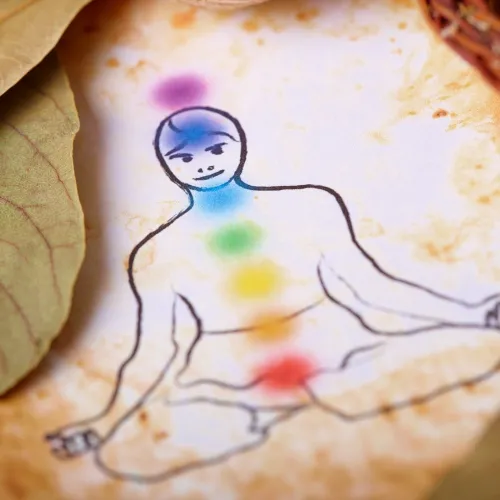
Both ancient yogic philosophy and modern neuroscience affirm the deep connection between body and mind. Emotional experiences, especially those we suppress or leave unresolved, imprint themselves into the nervous system. These imprints—known in yoga as samskaras — act as subtle memory traces, shaping our responses, behaviors, and perceptions.
Without conscious release, this emotional residue can accumulate, leading to chronic tension, fatigue, anxiety, or even illness. But just as the body stores emotion, it also holds the key to healing it.
How Yoga Supports Emotional Release
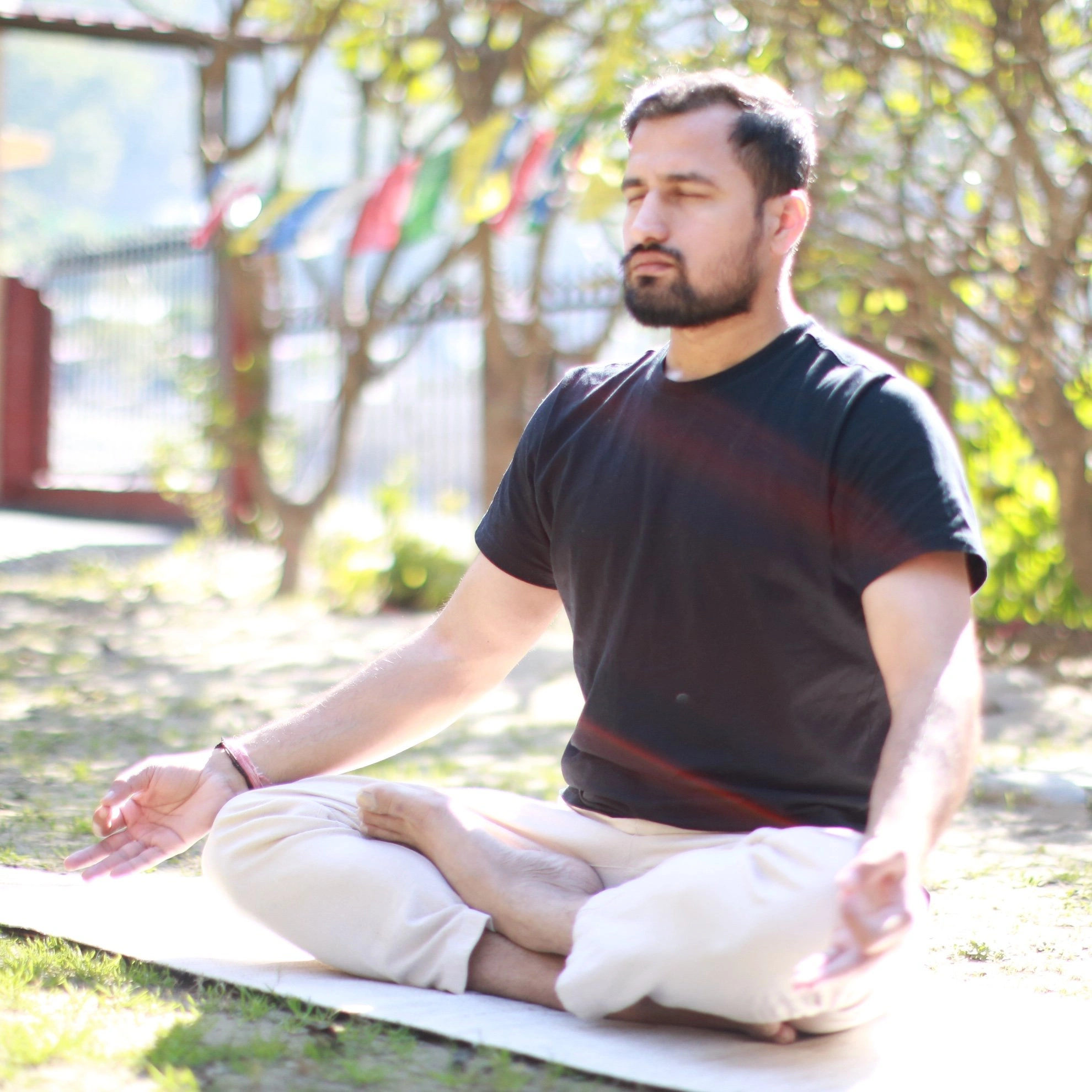
Yoga helps unravel emotional tension by working through all levels of being — body, breath, mind, and energy:
Breathwork (Pranayama)
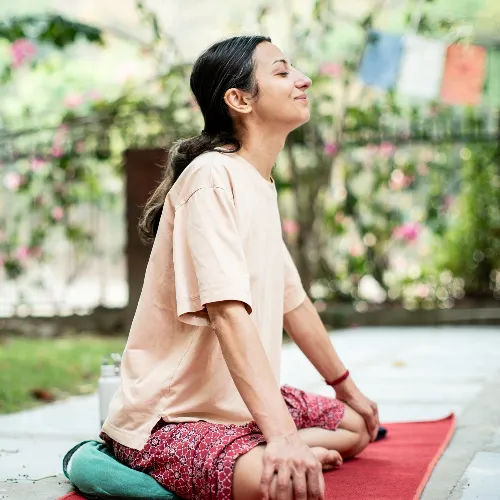
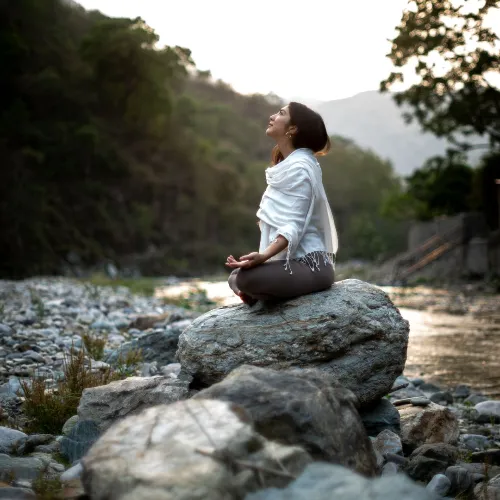
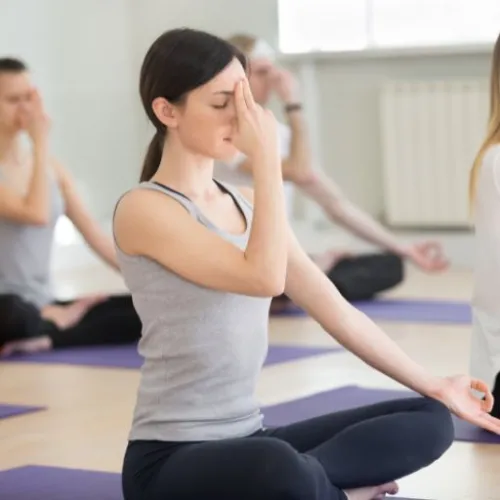
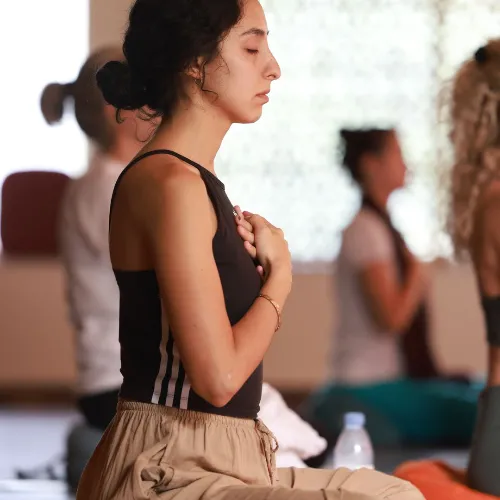
Conscious breathing soothes the nervous system, shifting us from fight-or-flight into a state of calm and safety. Breath invites spaciousness into the body and steadiness into the mind, creating a foundation for healing.
Asana (Physical Postures)
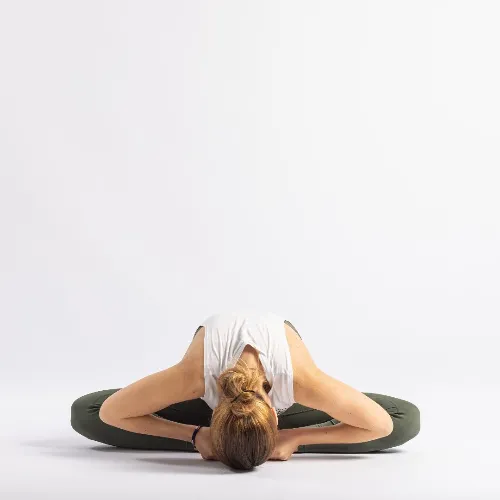
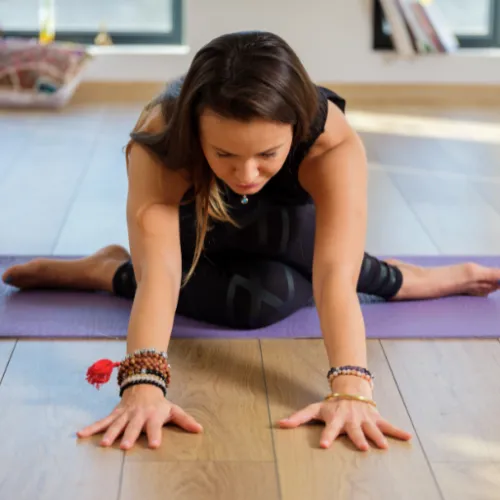
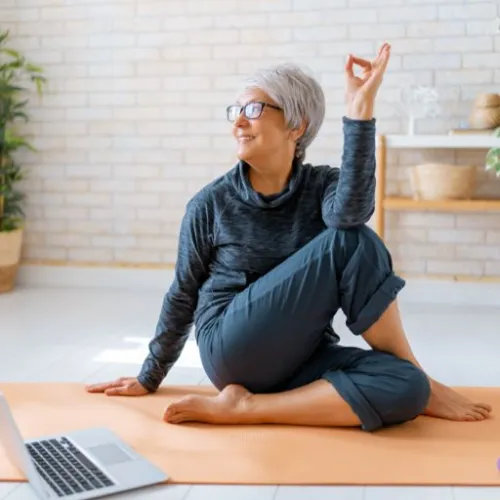
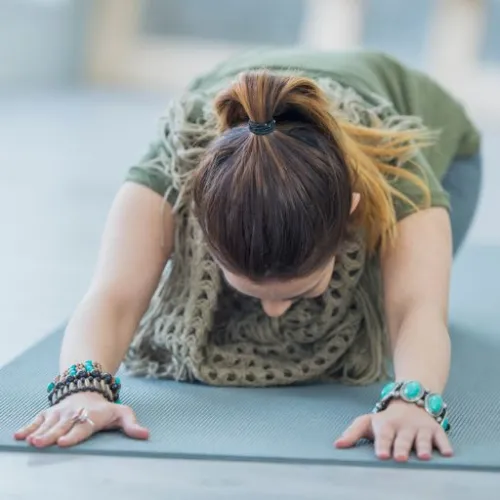
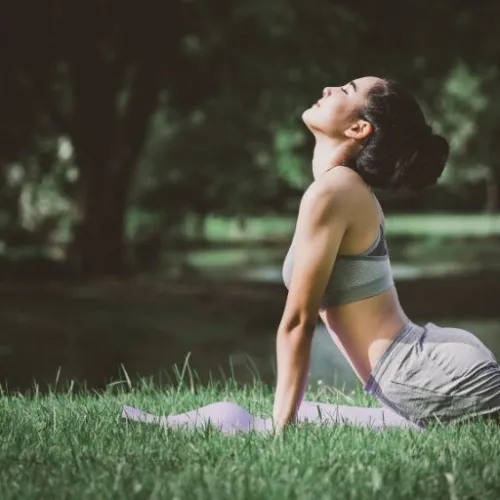
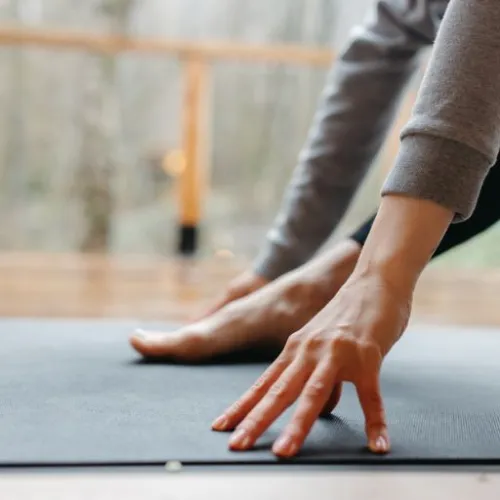
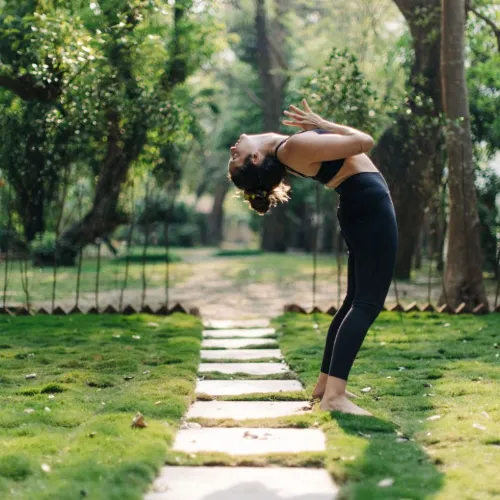
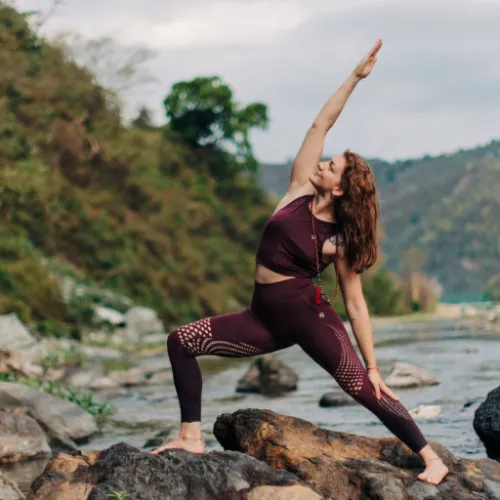
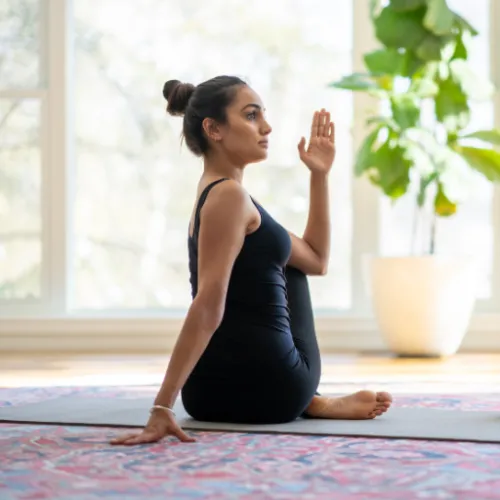
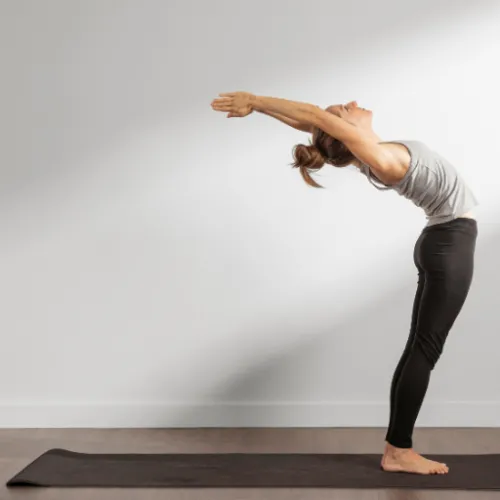
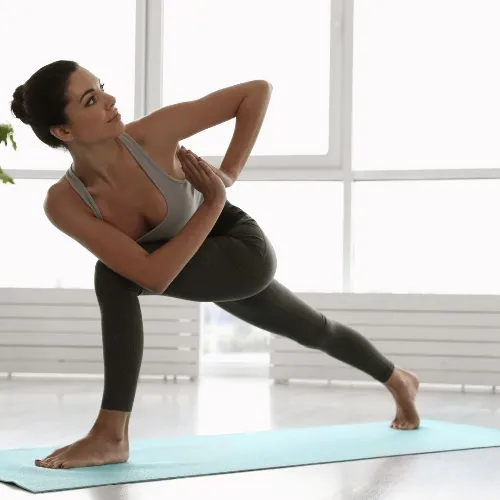
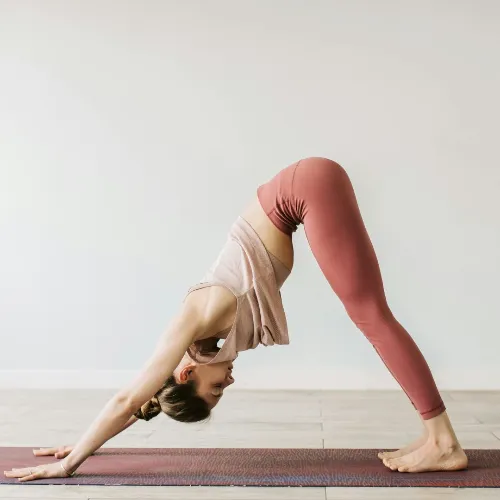
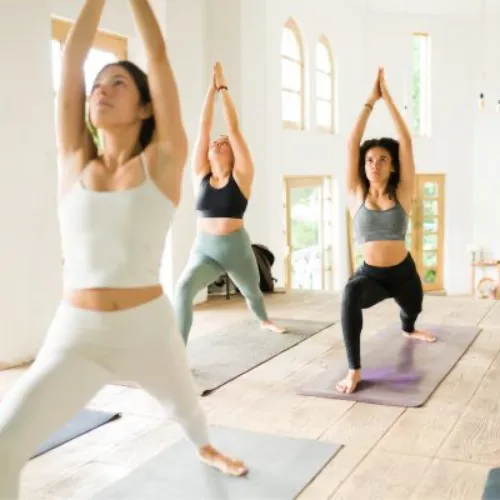
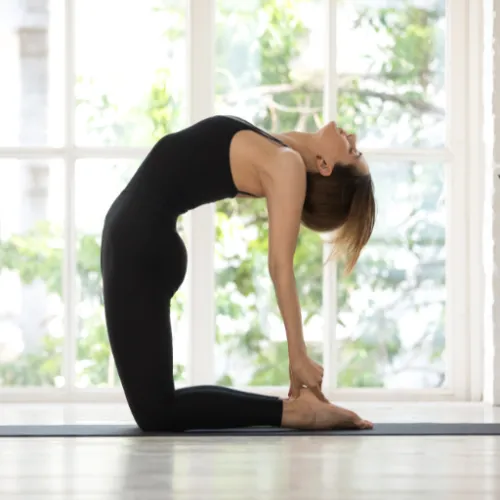
Certain yoga poses can access places where emotion tends to be stored—especially in the hips, chest, and shoulders. As we stretch, strengthen, and open these areas, stuck emotional energy begins to move and release.
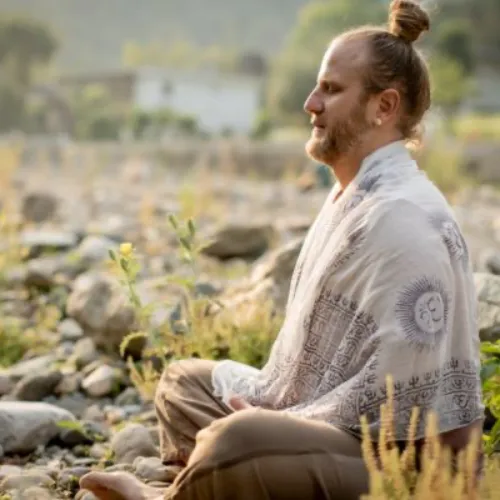
Mindfulness & Meditation
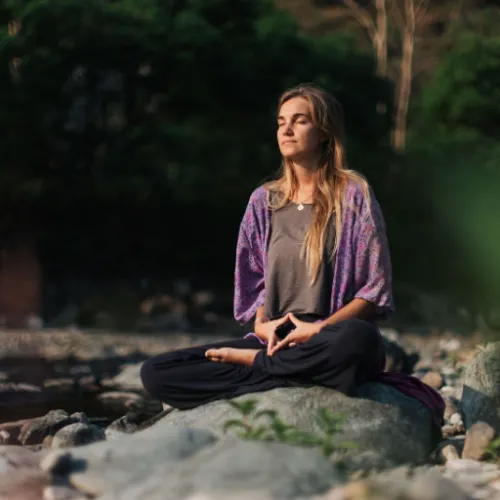
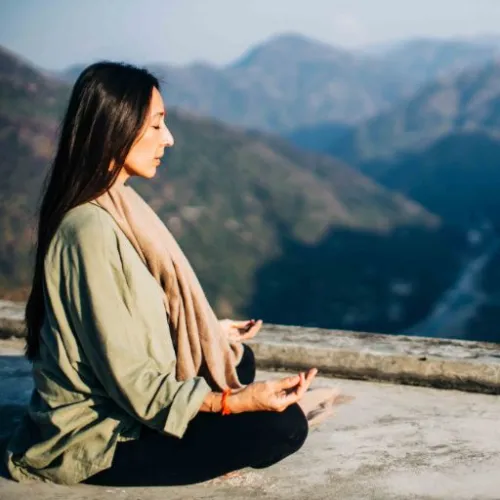
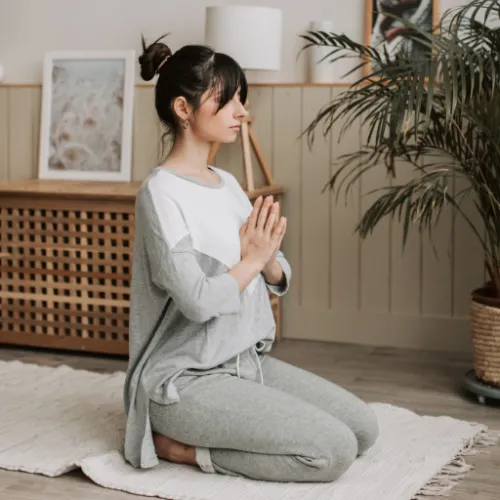
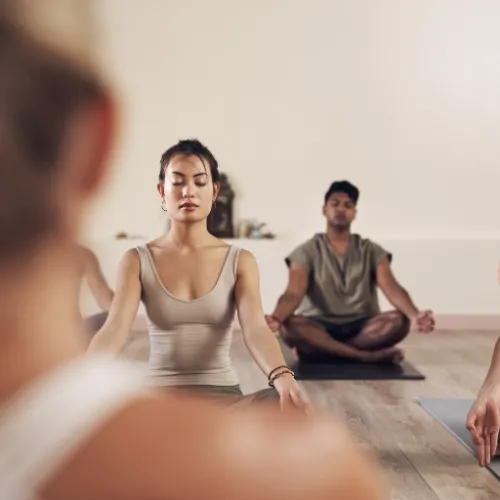
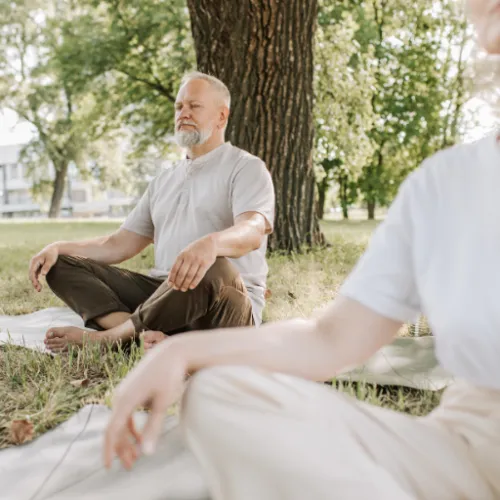
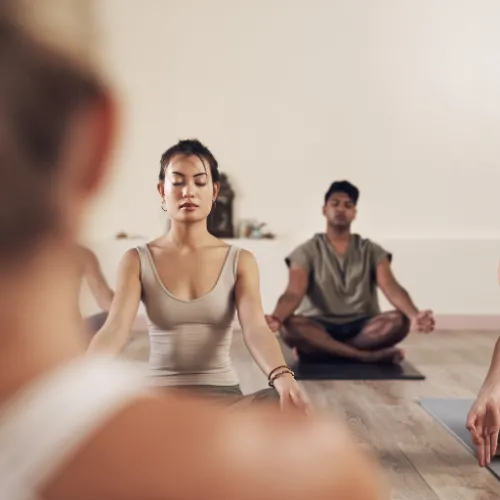
Yoga invites us to observe what arises with curiosity and non-judgment. This simple yet profound practice helps us be with our emotions—without resisting, analyzing, or pushing them away.
Sound & Vibration
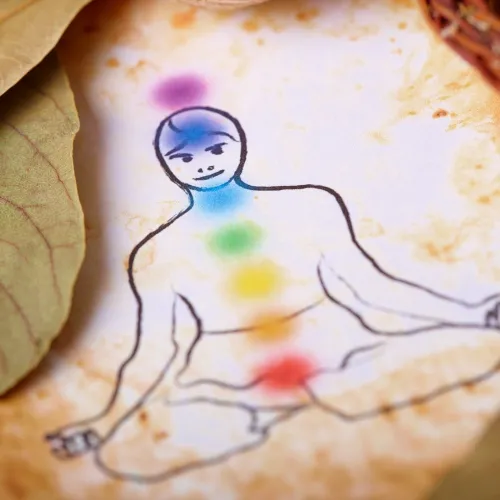
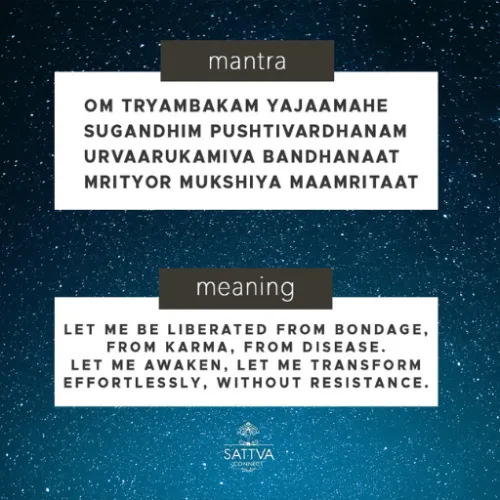
Chanting or using vocal tones during practice helps clear energetic blockages, activating healing pathways and freeing emotional stagnation.
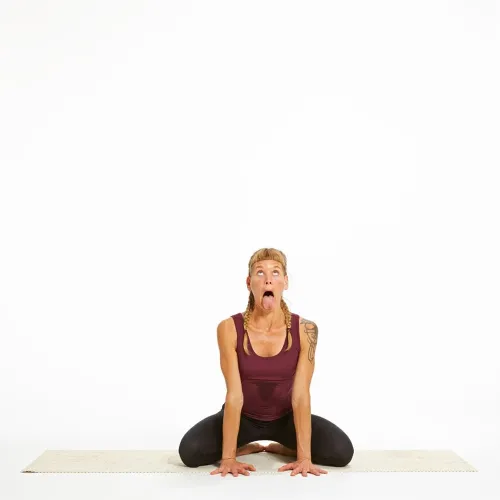
Poses That Support Emotional Healing
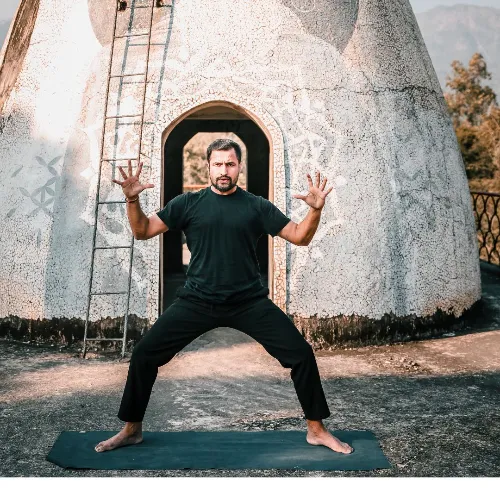
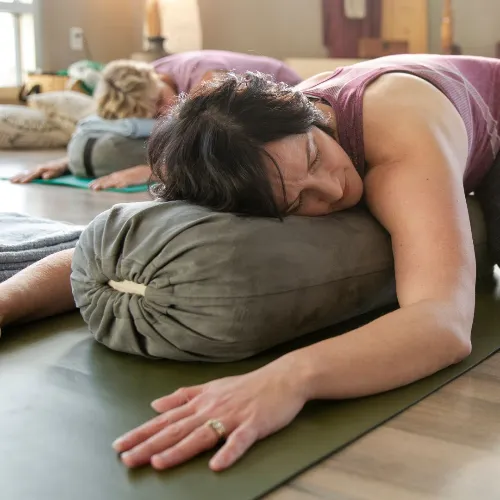
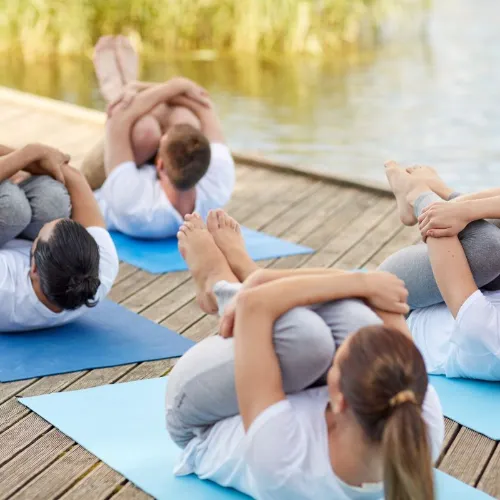
Some postures are especially potent for emotional release and nervous system regulation:
Meeting Emotions with Compassion
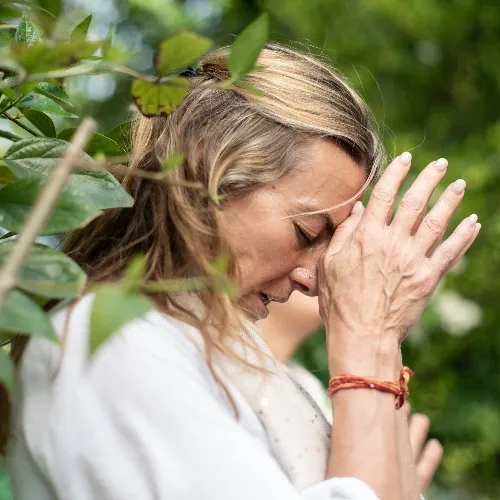
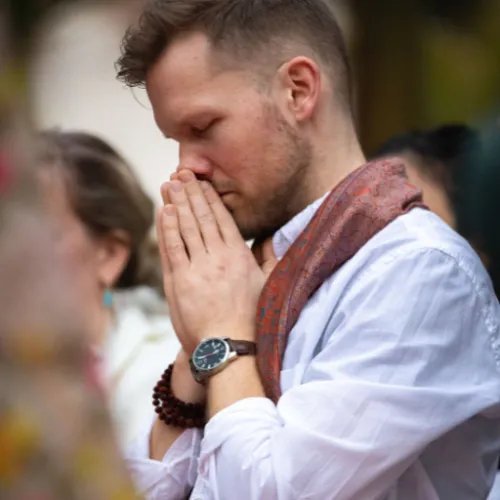
Yoga teaches us one of its most powerful lessons: we don’t need to fix or fight our emotions—we simply need to be with them. Through mindful presence, we begin to see emotions not as problems, but as messengers. When we stop resisting, emotions are free to move, evolve, and eventually dissolve.
This is the essence of healing — not forcing ourselves to “move on,” but choosing to move with tenderness and care.
The Path Isn’t Linear — And That’s Okay
Healing through yoga is not a straight line. Some days may bring release and relief, while others stir discomfort or memories long buried. This is part of the process. What matters is the willingness to stay present—to breathe, to listen, and to trust the body’s wisdom.
With continued practice and compassion, yoga reveals what has always been there beneath the emotional weight: wholeness, clarity, and joy.
Let Your Practice Be Your Sanctuary
Whether you are grieving, recovering, reflecting, or simply learning to feel again, yoga offers a space to reconnect with your emotions safely and honestly.
Let your mat become a sanctuary where you can soften, explore, and release. Let each breath remind you that healing is not something you have to force — it’s something you allow.
You are already whole. Yoga simply helps you remember.


































Monday 26 Oct 2026 07:00:00 PM IST
Tuesday 20 Oct 2026 07:00:00 PM IST
Wednesday 21 Oct 2026 07:00:00 PM IST

Thursday 22 Oct 2026 07:00:00 PM IST
Monday 19 Oct 2026 06:00:00 AM IST
Friday 23 Oct 2026 06:00:00 AM IST

Your purpose here is to evolve, to transform, to experience your radical aliveness, to awaken to your true nature. You are the path. The path is you. The time is now.