

Get the Sattva app for
App exclusive features
Including member-only experiences

by Sattva Connect
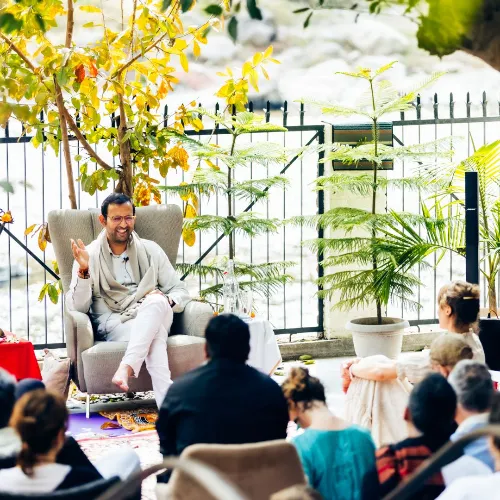
In a world saturated with unrealistic beauty standards and constant messages about control, many find themselves caught in cycles of disordered eating—patterns rooted not in food itself, but in deeper wounds of disconnection, shame, and unmet emotional needs.
Disordered eating isn’t simply about eating habits. It’s about how we relate to ourselves, our emotions, and our bodies. And in the heart of that struggle lies a yearning—for safety, for compassion, and for home within ourselves.
Yoga offers a gentle, profound path to healing. Not through force or fix-it mentality, but through presence, self-respect, and the radical act of listening inward.
Understanding the Deeper Roots
At its core, disordered eating is often a sign of disconnection — disconnection from our body’s signals, from emotional needs, and from our innate sense of worth.
Yoga doesn’t ask us to control the body. It invites us to come back to it.
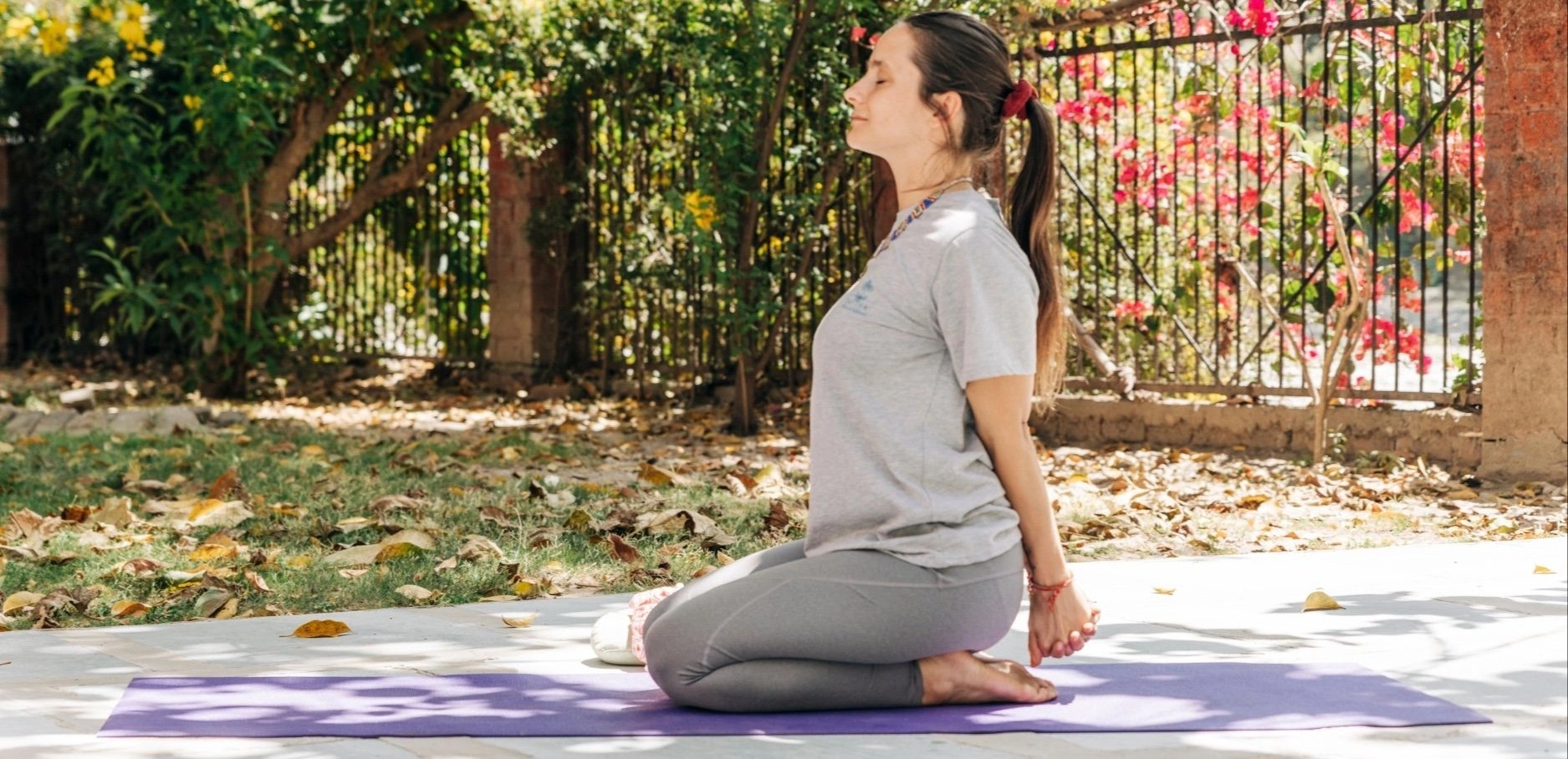
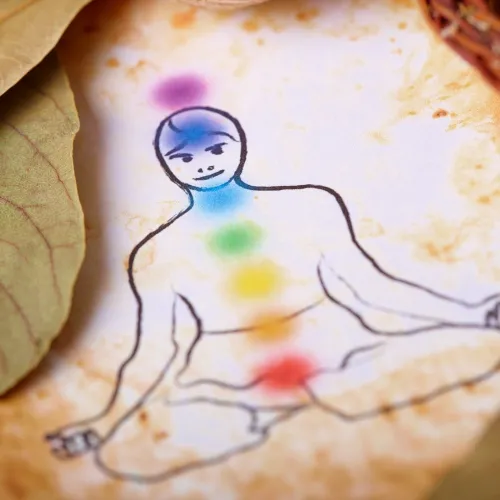
Through mindful movement, breathwork, and meditation, yoga rebuilds the bridge between body and mind. It teaches us that the body is not an enemy, but a sacred ally. Not a problem to solve, but a home to inhabit.
How Yoga Supports the Healing Journey
Healing from disordered eating is not just about changing habits—it’s about restoring the connection between body, mind, and heart. Yoga offers more than movement; it provides tools for rebuilding trust, cultivating compassion, and creating a safe space within. Here’s how yoga gently supports and nourishes that healing process from the inside out.
1. Reconnecting with the Body
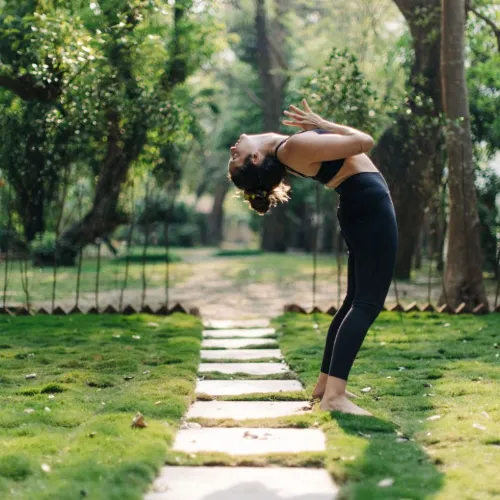
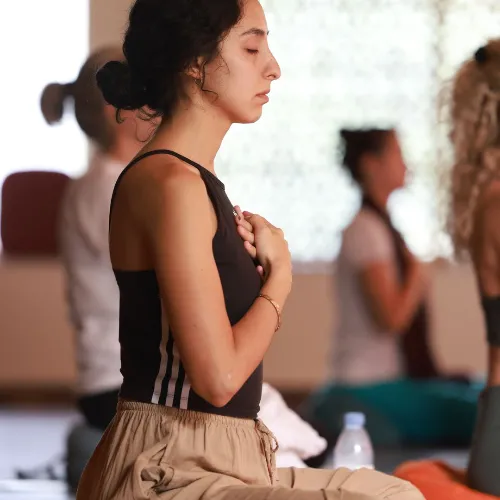
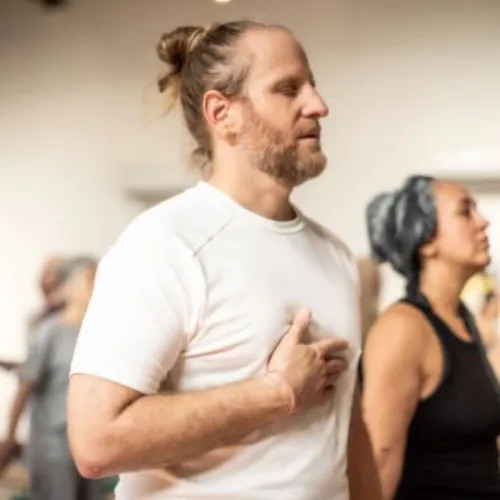
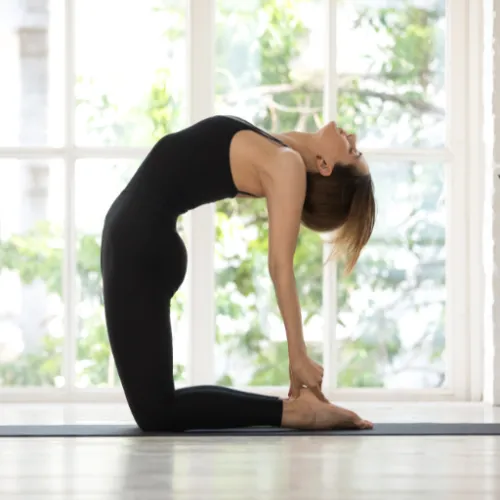
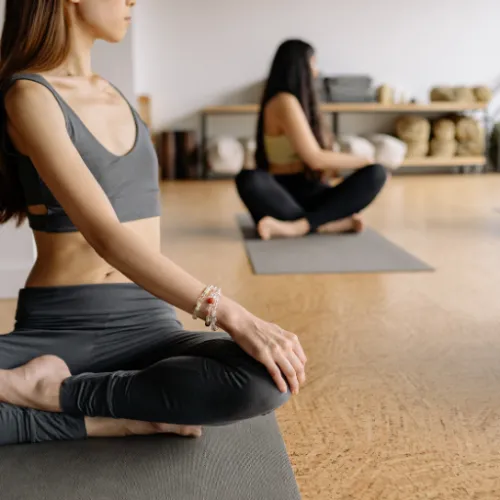
Gentle asana practices help restore a felt sense of presence in the body. Instead of judging or trying to manipulate, yoga invites us to notice—where tension lives, where energy wants to move, where softness is needed. We learn to be with our bodies, not in opposition to them.
2. Regulating Emotions
Breath practices and mindfulness strengthen our ability to be with discomfort. They teach us to feel, rather than numb or escape. Over time, the nervous system learns how to tolerate emotion without needing control or coping through food or restriction.
3. Cultivating Self-Compassion
Yogic philosophy reminds us we are not our thoughts, our body shape, or our struggles. With regular practice, we begin to witness the harsh inner critic and soften its grip. In its place, a deeper voice emerges—the one that knows we are already whole.
4. Replacing Control with Care
Where once there may have been rigid food rules or punishing exercise routines, yoga offers something different: safe, nurturing rituals. Even a short daily practice becomes a way to connect, to listen, and to care for yourself with tenderness.
Supportive Practices to Begin With
When you're starting to heal your relationship with your body, simple and gentle practices can make a powerful difference. These foundational yoga tools are designed to help you reconnect with yourself in a way that feels safe, nurturing, and grounded. Here are a few accessible ways to begin.
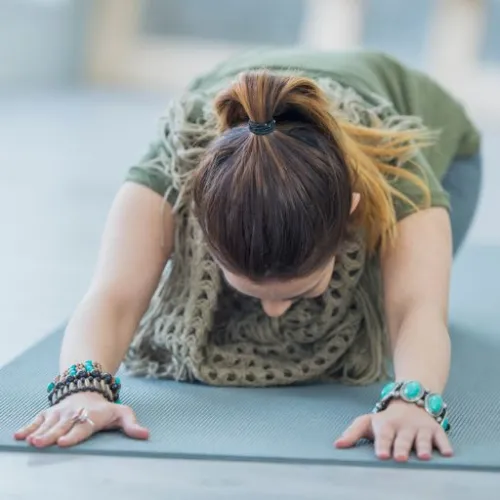
Restorative Yoga: Poses like Supported Child’s Pose, Legs-Up-the-Wall (Viparita Karani), and Reclined Butterfly help create a sense of emotional and physical safety. These deeply restful shapes calm the nervous system and invite a soft landing back into the body.
Loving-Kindness Meditation (Metta): Directing kind phrases toward yourself—such as “May I be safe. May I be at peace. May I love and accept myself as I am”—can rewire internal narratives rooted in self-judgment.
Body Scan Meditation: Gently noticing sensations from head to toe without trying to change anything helps rebuild trust with the body and heightens embodied awareness.
Affirmation Practice: Repeating affirmations like “My body is wise,” “I deserve nourishment,” or “I am enough” can begin to shift long-held beliefs and re-anchor you in compassion.
A Journey, Not a Quick Fix
Healing through yoga is not a straight line. There will be tender days and breakthroughs, setbacks and moments of peace. The key is not perfection—it’s presence. It’s the willingness to keep showing up with kindness, again and again.
Yoga doesn’t demand that you change your body. It simply offers the tools to help you remember your body is already worthy of care, already enough, already whole.
And in that remembering, the healing begins.







































































Monday 26 Oct 2026 07:00:00 PM IST

Tuesday 20 Oct 2026 07:00:00 PM IST
Wednesday 21 Oct 2026 07:00:00 PM IST

Thursday 22 Oct 2026 07:00:00 PM IST
Monday 19 Oct 2026 06:00:00 AM IST
Friday 23 Oct 2026 06:00:00 AM IST

Your purpose here is to evolve, to transform, to experience your radical aliveness, to awaken to your true nature. You are the path. The path is you. The time is now.